Find the filter instructions for the exact vacuum
Locate the exact filter instructions and distinguish washable parts from replaceable supplies before making a maintenance plan.
Updated:
Start with the machine identifier
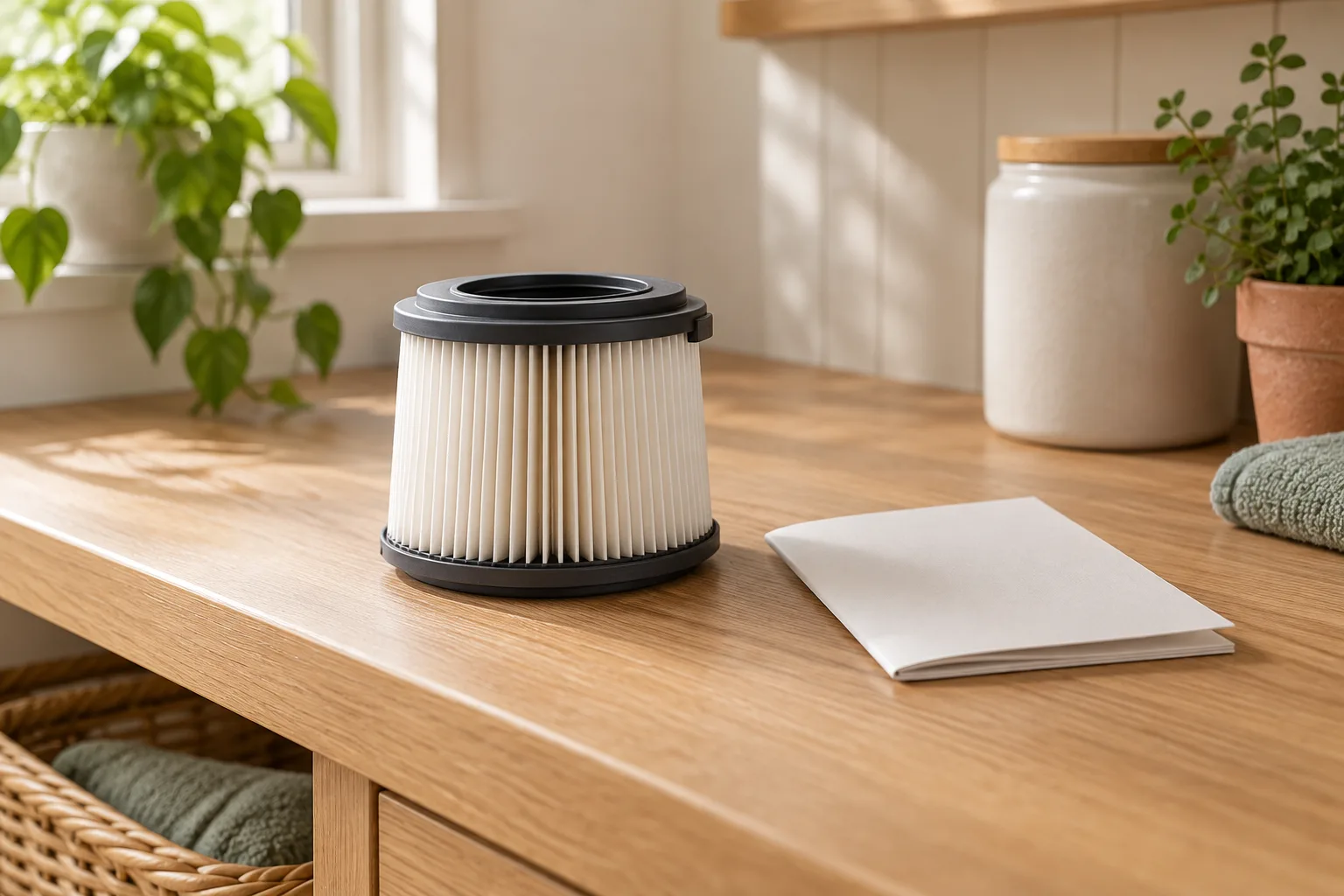
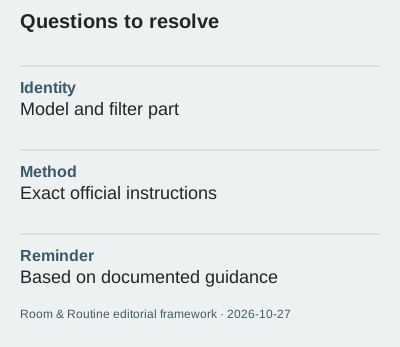
A search for vacuum filter care can return many plausible-looking instructions. Before following any of them, confirm the full appliance model and the filter or part concerned. Keep the identifier with the official support page or manual. A photograph of a similar filter is not enough to establish that the instructions apply. This guide helps organise that information; it does not provide a universal washing, removal or repair procedure. The distinction matters because a household can own several machines with different user-care requirements even when they share a brand.
Separate the type from the task
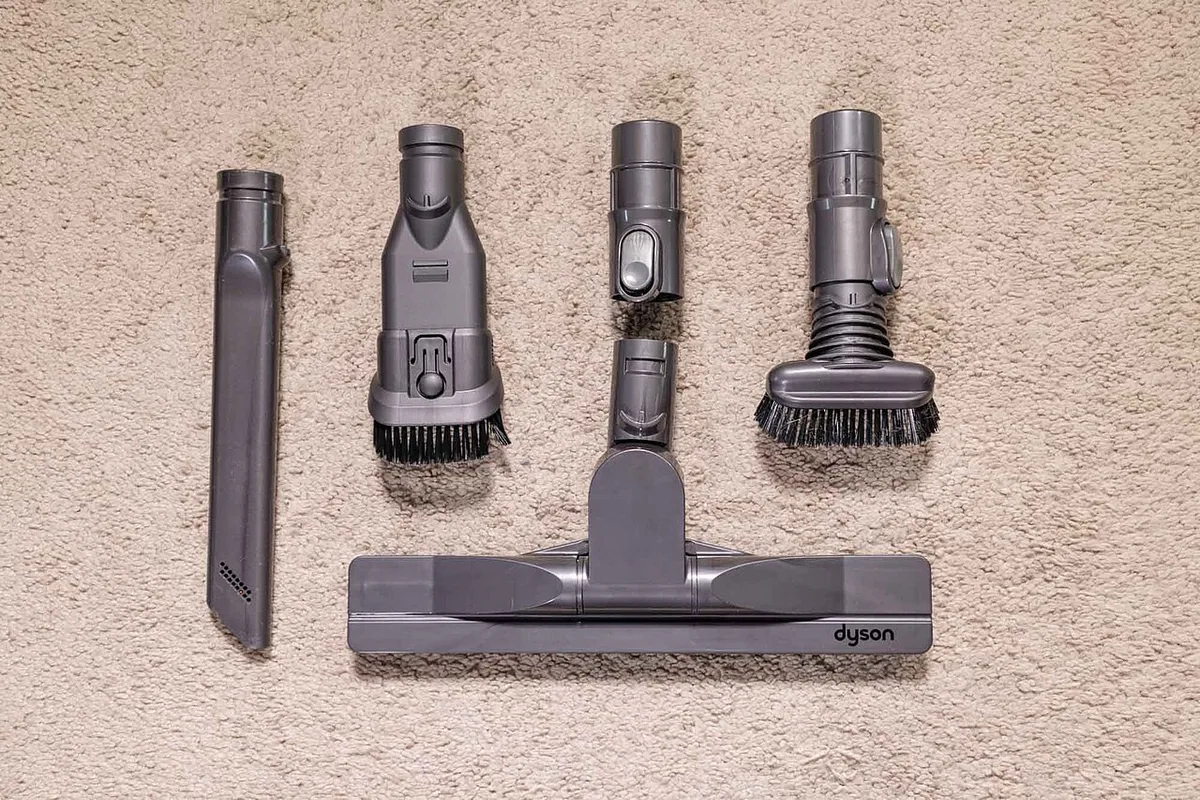
Record whether the official instructions describe the particular filter as washable, replaceable or subject to another documented routine. Do not fill a gap with an assumption drawn from another cleaner. Miele's Australian support information, reviewed on 2026-10-27, distinguishes filter types within its own guidance. That is a reason to retain the specific model context. The equipment photographs here illustrate different forms and supplies, not a cross-brand maintenance chart. If the part cannot be confidently identified, ask the manufacturer's support service what information they need to locate the correct instructions.
Keep a specific example specific
Dyson's V6 Trigger Origin support page states a minimum drying period of 24 hours and requires complete drying for that model's washable filter. This is a narrowly attributed example, not a drying rule for every vacuum. Do not assume that a different filter can be washed or returned to use after the same interval. Save the exact page and follow the complete instructions that apply to the machine, including its precautions. A short excerpt or search-result snippet should not replace the full manufacturer's guidance when carrying out a care task.
Plan availability without inventing an interval
Consider how the documented routine fits the household schedule. If the instructions make the machine unavailable during a care step, record that practical consequence rather than treating it as a product defect or inventing a shortcut. Do not accelerate a process using an unapproved method. A calendar reminder can point to the relevant manual section, but it should not change the manufacturer's conditions. Keep support-only or repair tasks separate from permitted user care so the reminder does not encourage work beyond the scope of the instructions.
Keep supplies and costs explicit
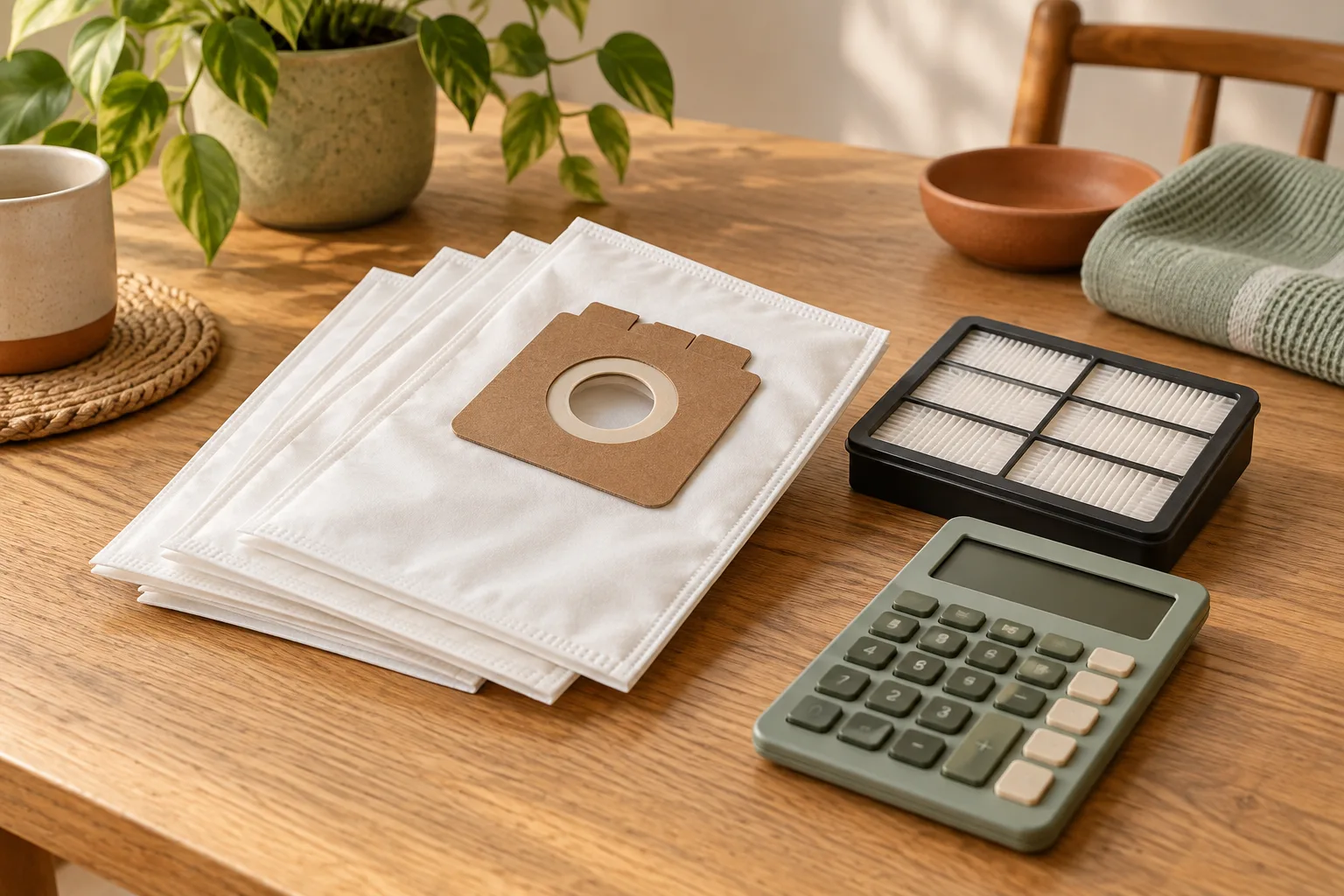
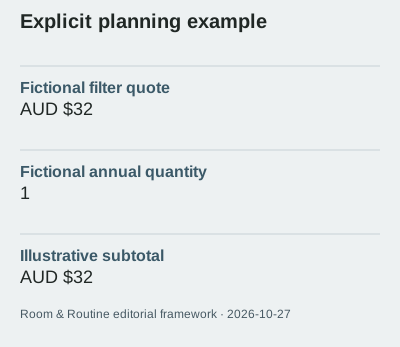
For a purely fictional budget, one compatible filter quoted at AUD $32 gives an AUD $32 supply subtotal. Two at the same invented unit price would cost AUD $64, a 100% increase in that line item. These numbers are not actual prices or replacement recommendations. Enter only a quantity justified by the model's documentation or clearly label it as your own planning assumption. Verify the part identifier, pack quantity and current quote before purchasing. A lower-cost item with uncertain compatibility is not an equivalent entry in a careful comparison.

Save a small care card
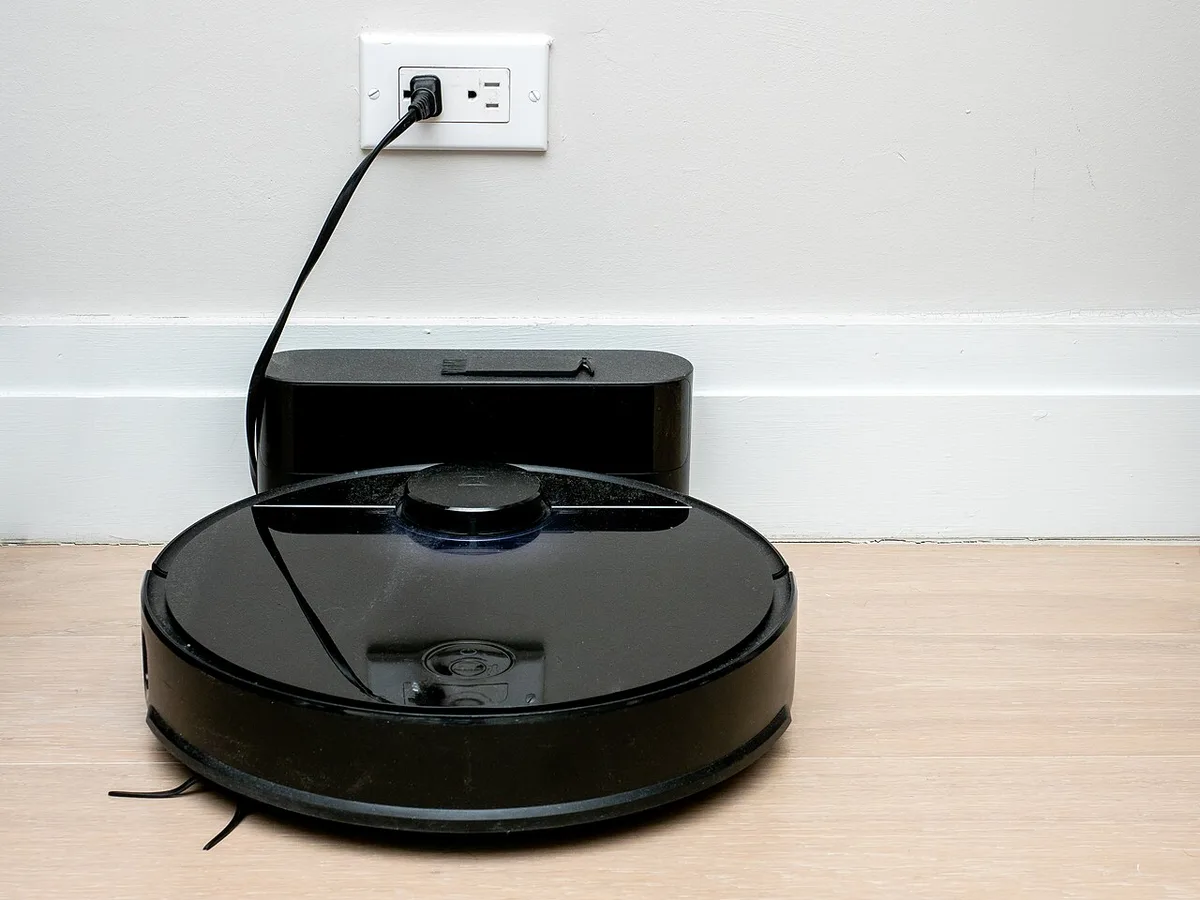
Create a record containing the appliance model, filter identifier, official instructions, date checked and support route. Add only the reminders that the documentation supports. When a filter or machine changes, review the card instead of reusing it automatically. The generated lead image is a conceptual still life, and none of the images proves that a displayed part is washable. Room & Routine has not tested filtration or health outcomes. A clear care card reduces the chance of transferring a familiar procedure to the wrong component and makes a future support conversation more precise.
Dyson Australia — V6 Trigger Origin filter care ? Miele Australia — Bagged-vacuum performance and maintenance ?