Map the rooms before choosing a robot cleaner
A room-by-room brief connects your floors, obstacles and household routine to useful robot-cleaner questions.
Updated:
Start with the rooms you actually want cleaned
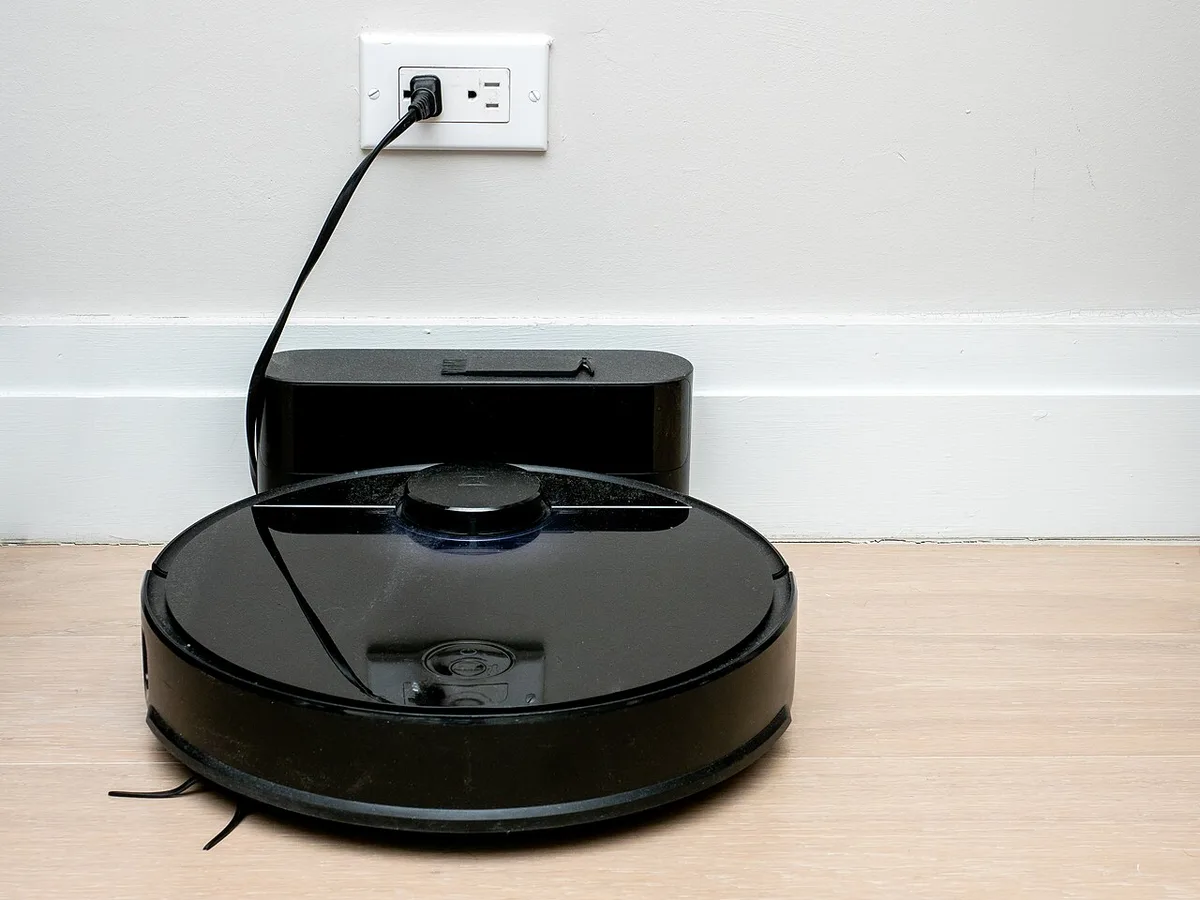
A robot-cleaner shortlist becomes more useful when it starts with a modest drawing of your home. Name the rooms, mark the surfaces and describe the jobs you expect the machine to do. A kitchen crumb run is a different brief from a whole-home schedule across rugs and several floor finishes. Do not treat a product photograph, a navigation feature or a large advertised coverage figure as confirmation that the cleaner will work in your rooms. Your first output is a question sheet, not a recommendation to buy a particular robot.
Separate area from access
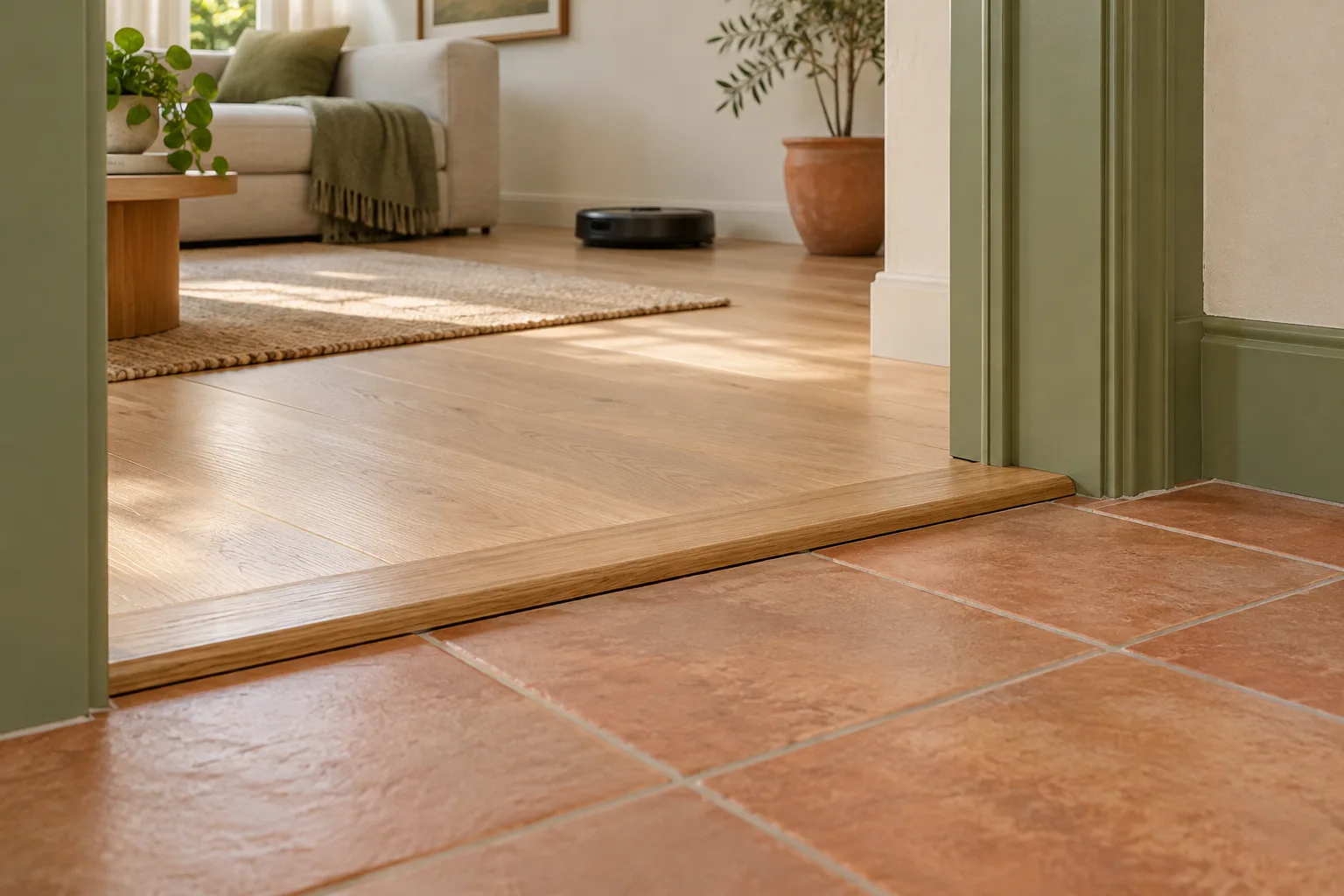
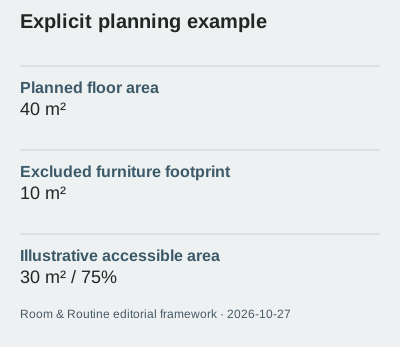
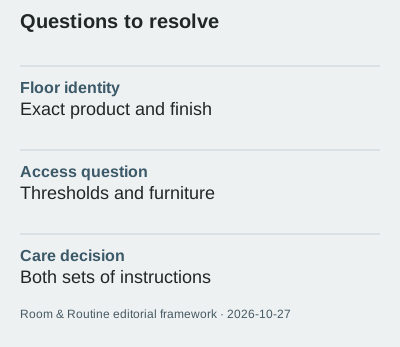
Draw furniture that stays in place, doorways and areas that you intend to exclude. For an explicitly hypothetical example, a room group might total 40 square metres, with 10 square metres excluded by a simplified furniture footprint. The remaining 30 square metres is 75% of that drawn total. This arithmetic describes a planning assumption, not measured robot coverage. It says nothing about whether the machine can enter narrow gaps or cross a particular threshold. A doorway can connect two large rooms on paper while still presenting an unresolved access question for the exact model.
Identify the floor before choosing a cleaning mode
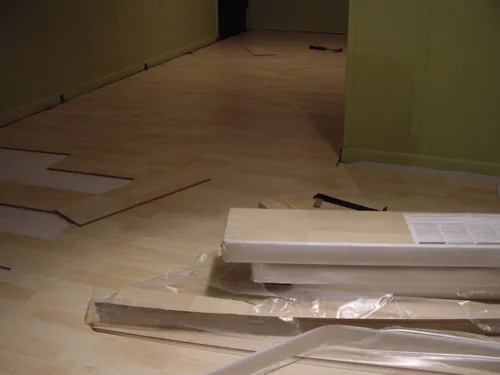
Record the flooring brand, range and finish if you can establish them from receipts or installation records. Premium Floors' Australian laminate maintenance page, checked on 2026-10-27, distinguishes between ranges and specifically says steam cleaning is not permitted for Quick-Step Classic and Eligna. A robot with a wet-cleaning feature is not automatically a steam cleaner, but the wider lesson is useful: a general floor label is insufficient evidence of an approved method. Ask the flooring supplier and appliance manufacturer about the actual combination. Leave an unknown floor marked unknown until you have a reliable answer.
Add the household routine to the drawing
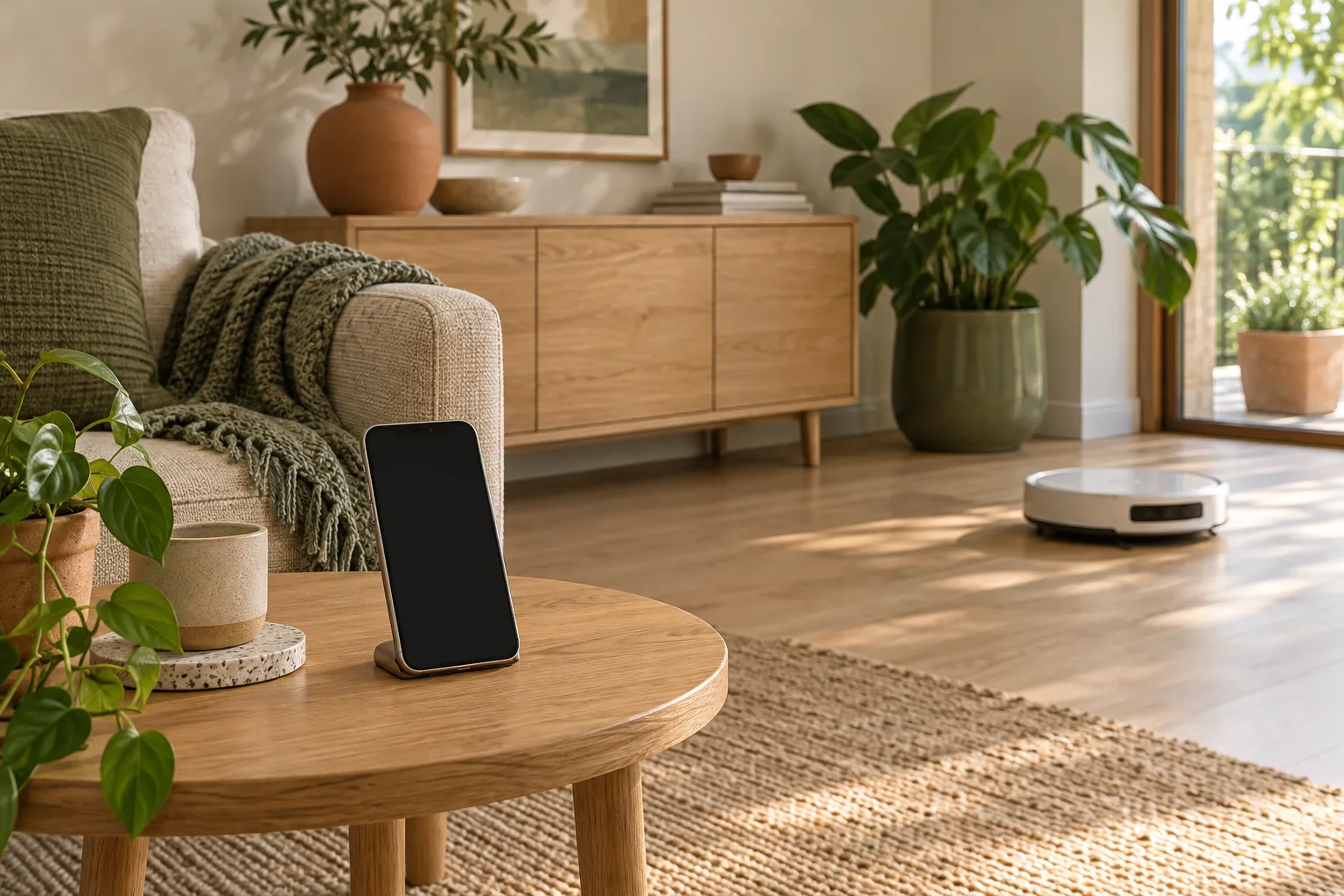
Mark the likely dock position and note where doors are commonly closed. List movable items that affect the route, such as dining chairs or a laundry basket, without assuming an obstacle-recognition feature removes the need for preparation. Dyson's Australian feature guide discusses layout, surfaces and maintenance as selection considerations; those manufacturer descriptions are prompts for questions, not independent performance results. Include the household's preference for app use and who will deal with care tasks. A machine that demands an inconvenient routine can be a poor match even when the basic dimensions appear promising.
Turn the brief into a comparable enquiry
Send the same room sheet to each supplier so the replies address a common situation. Ask for the relevant manual sections, any limits on surfaces and the model-specific dock requirements. Keep quoted prices separate from unresolved compatibility questions. For a purely fictional budgeting example, a quoted AUD $40 accessory would add AUD $40 to the purchase scope; it would not prove that the accessory solves a floor or access problem. Do not substitute this example for a current Australian quote. Save each response with its date and model identifier so later comparisons remain traceable.
Keep the unknowns visible
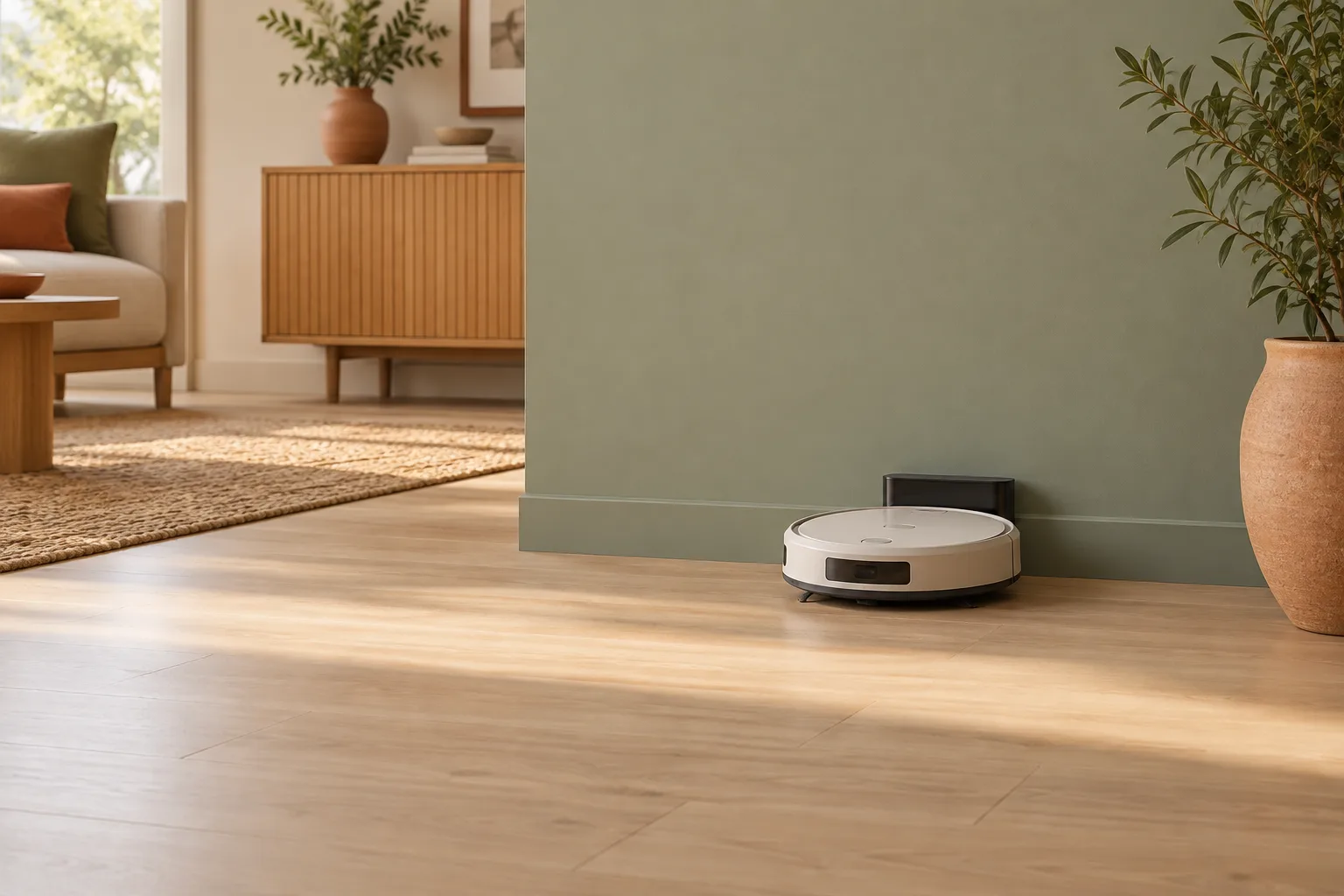
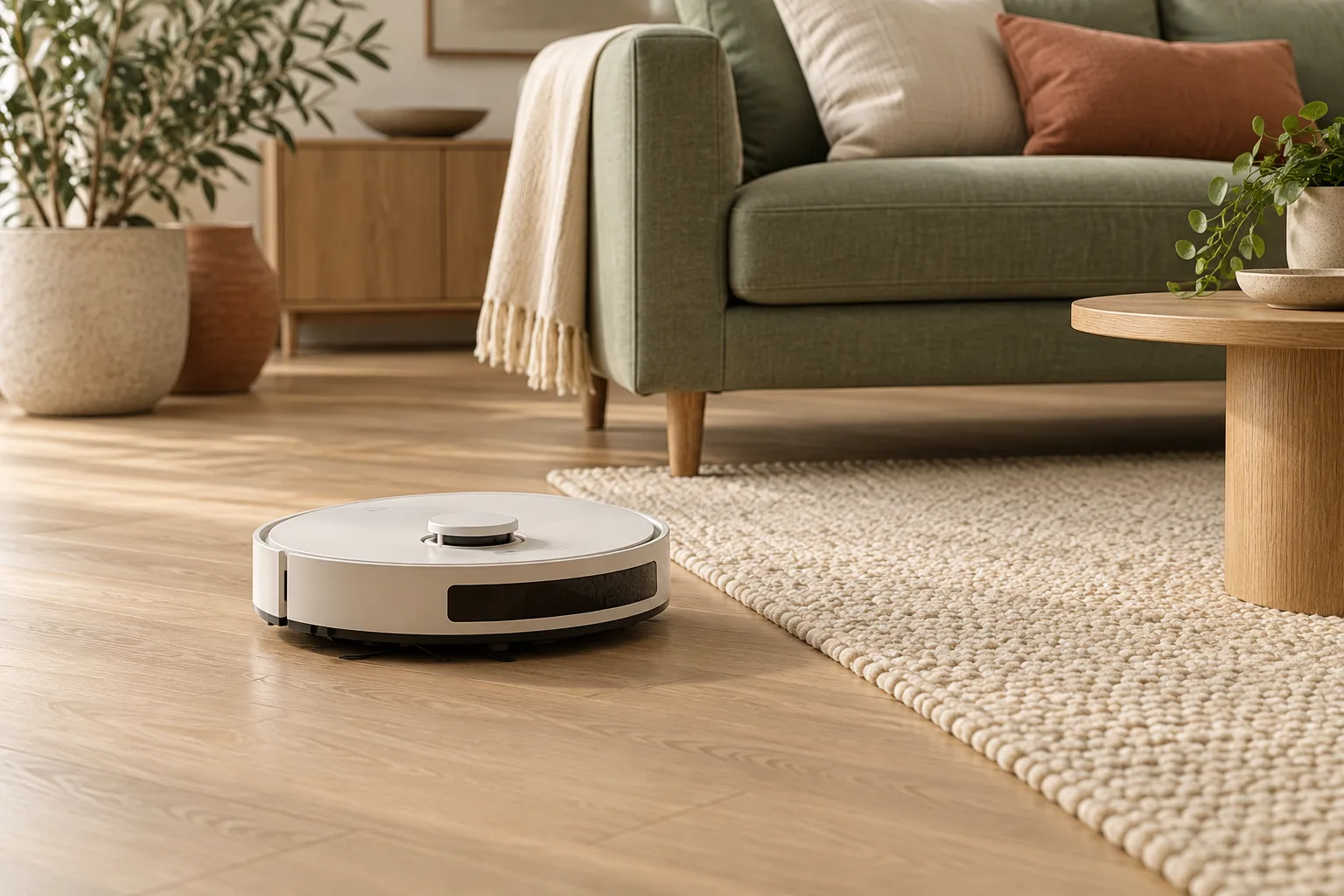
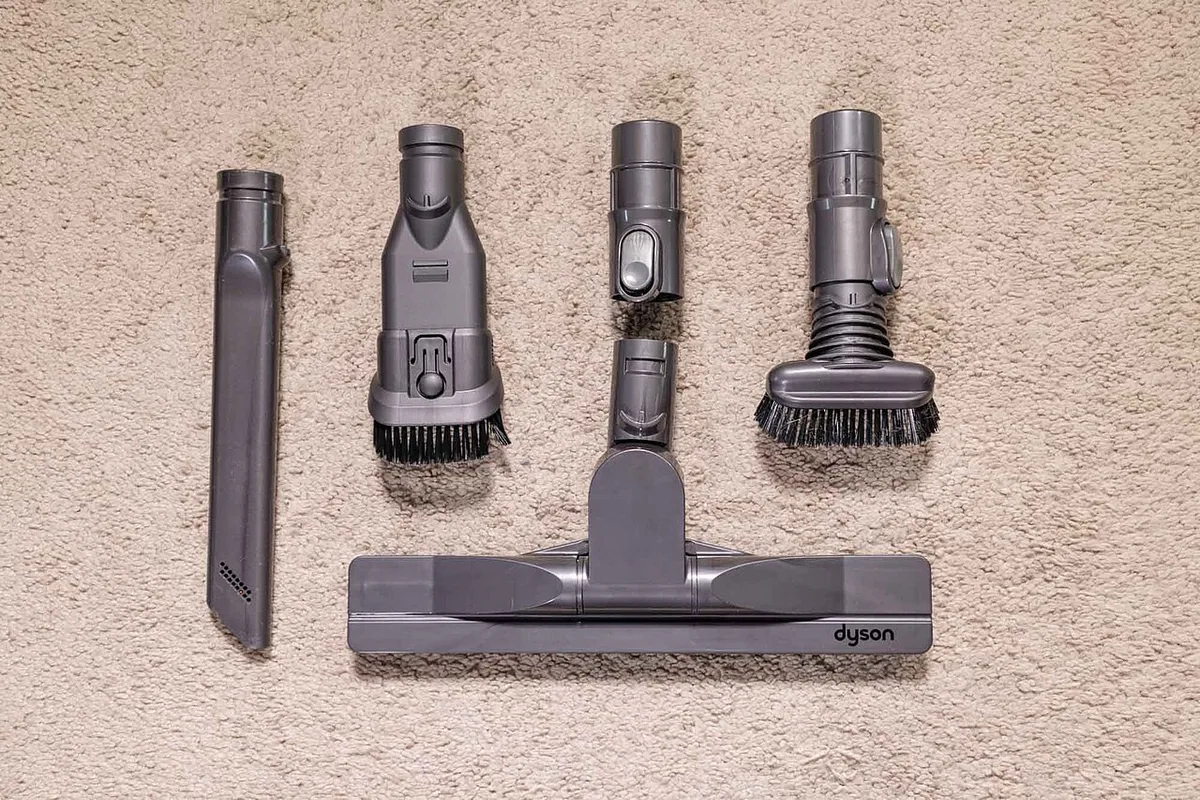
Finish with three lists: confirmed details, questions awaiting a source and tasks you are willing to do regularly. An unanswered threshold question should remain visible rather than becoming a confident tick. Photographs can help a supplier understand the room, but they do not establish electrical suitability or a cleaning method. The real images below illustrate product forms and floor records, while the generated lead image is only a generic home concept. Revisit the brief when the furniture layout or flooring changes. That small record gives you a defensible basis for a demonstration and a clearer reason to reject an unsuitable option.
Dyson AU — Robot vacuum selection questions ? Premium Floors Australia — Laminate maintenance ?