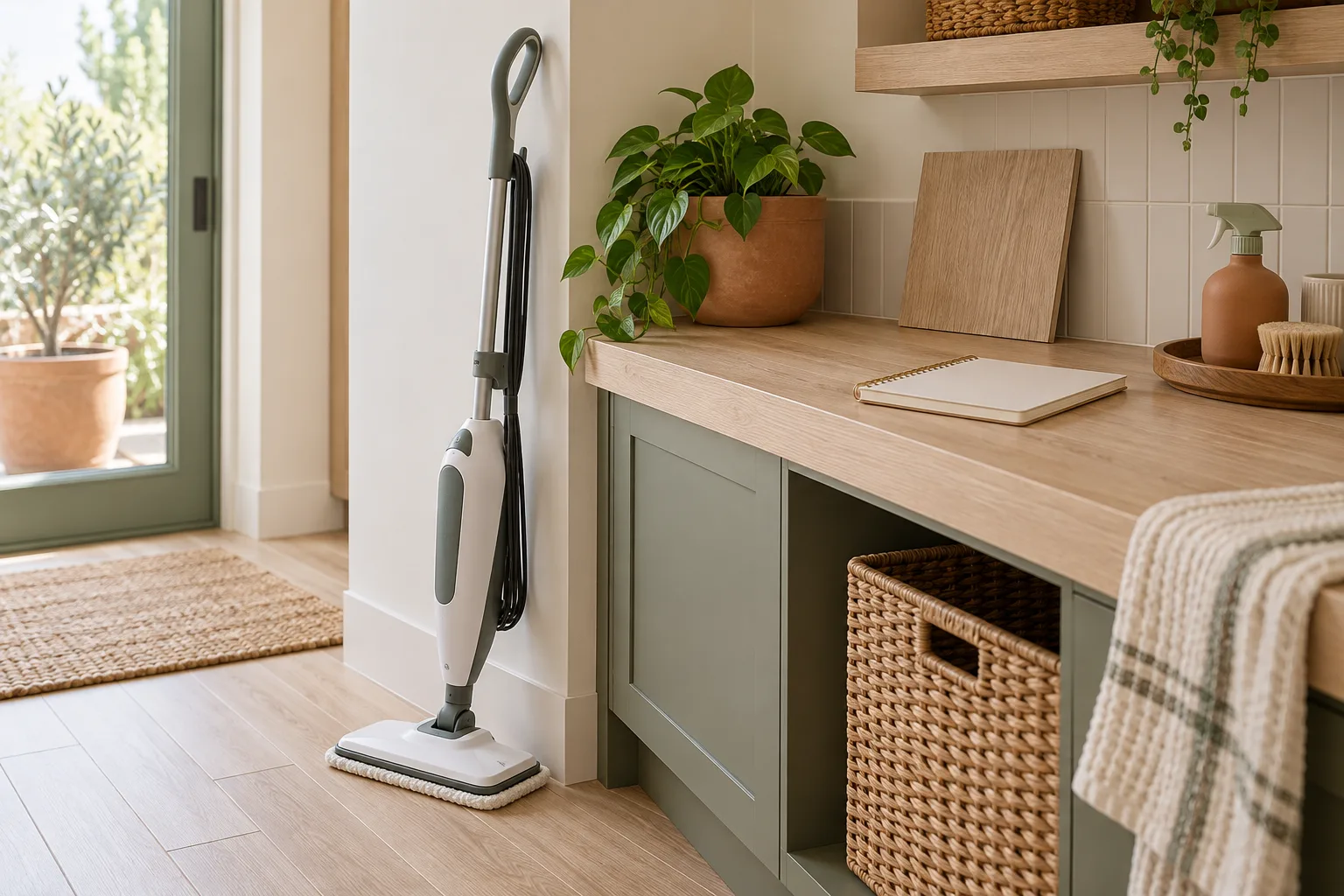
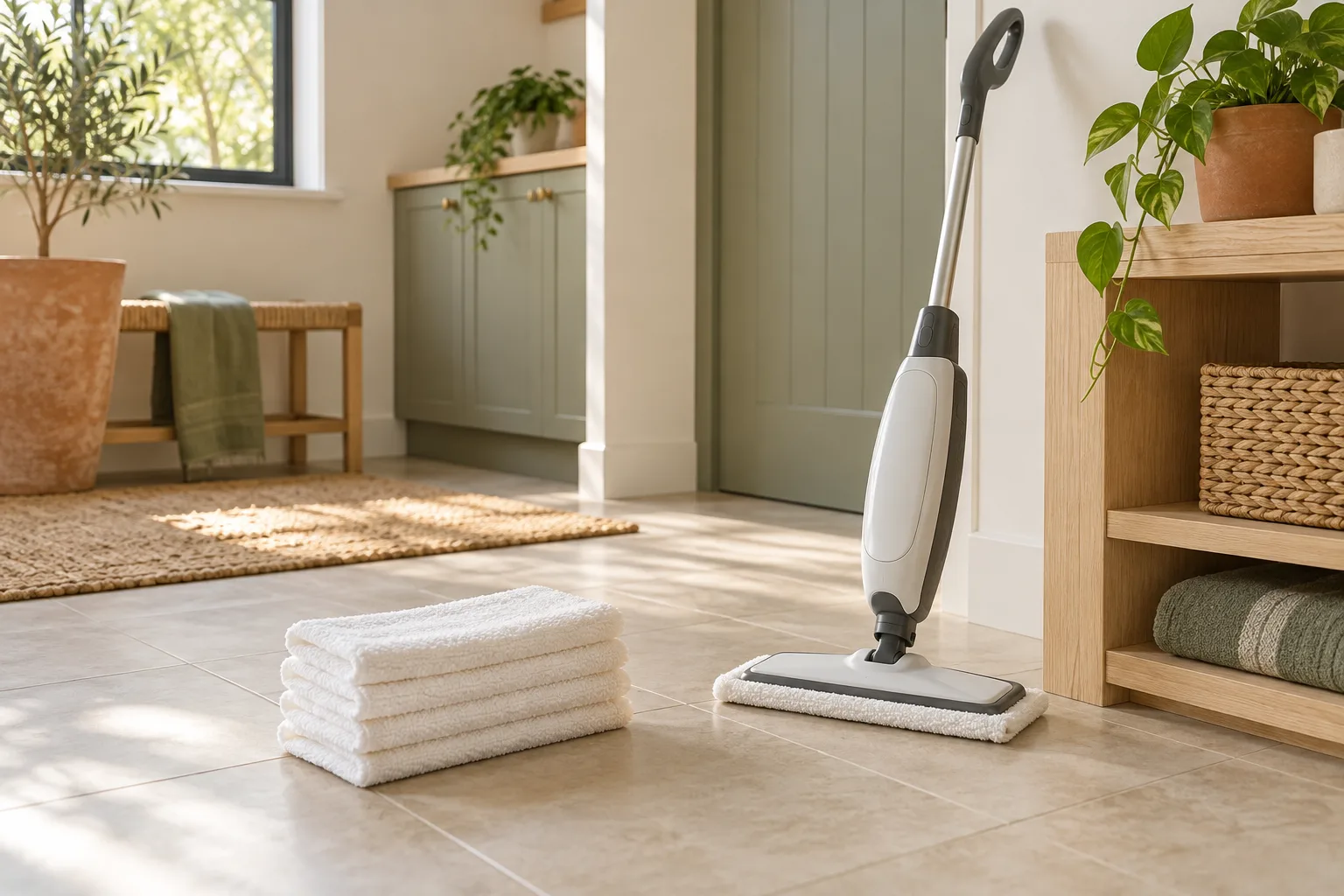
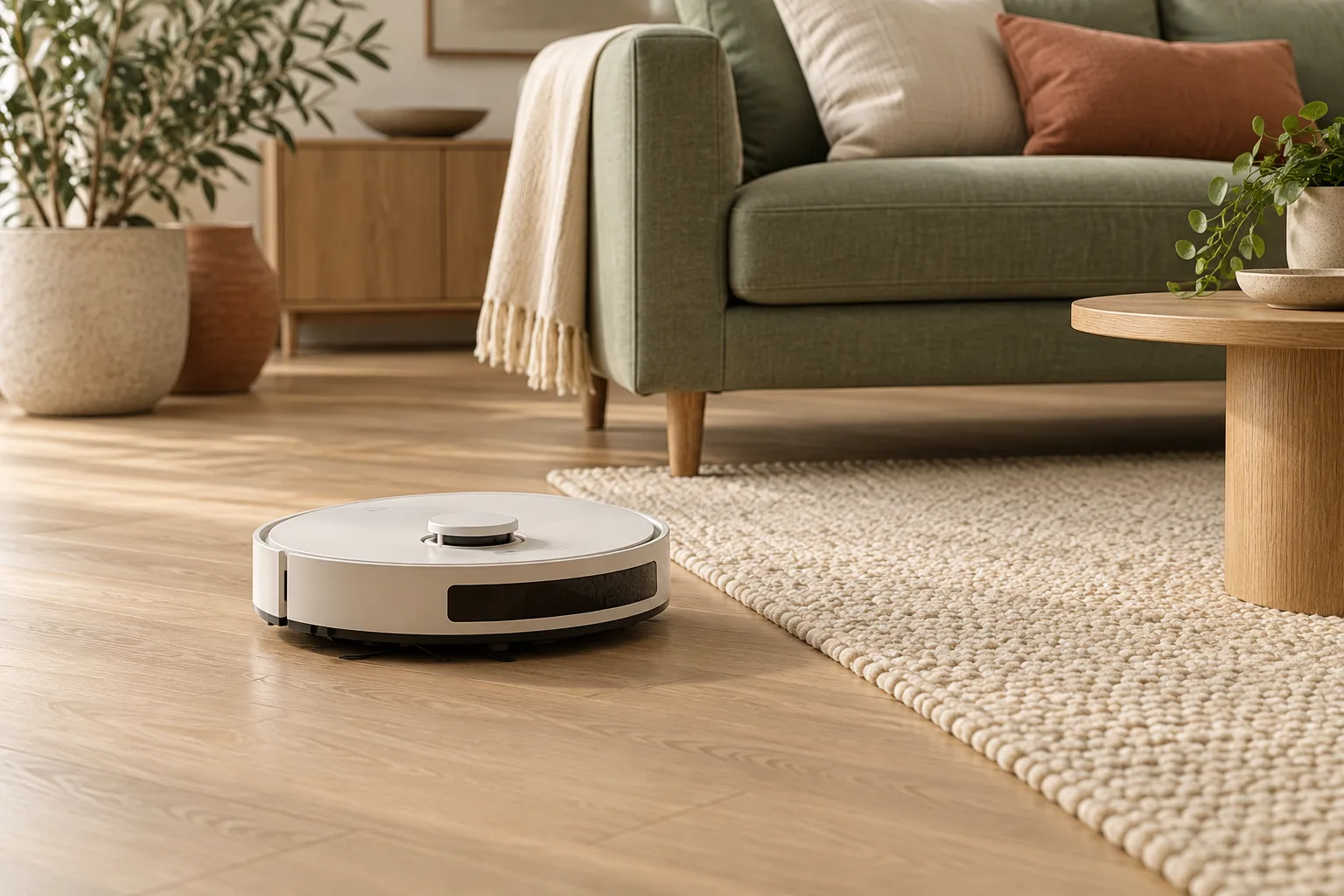
Steam cleaning, washing and dry vacuuming are different jobs
Separate dry pickup, washing and steam-cleaning tasks before comparing products with similar-looking handles and floorheads.
Updated:
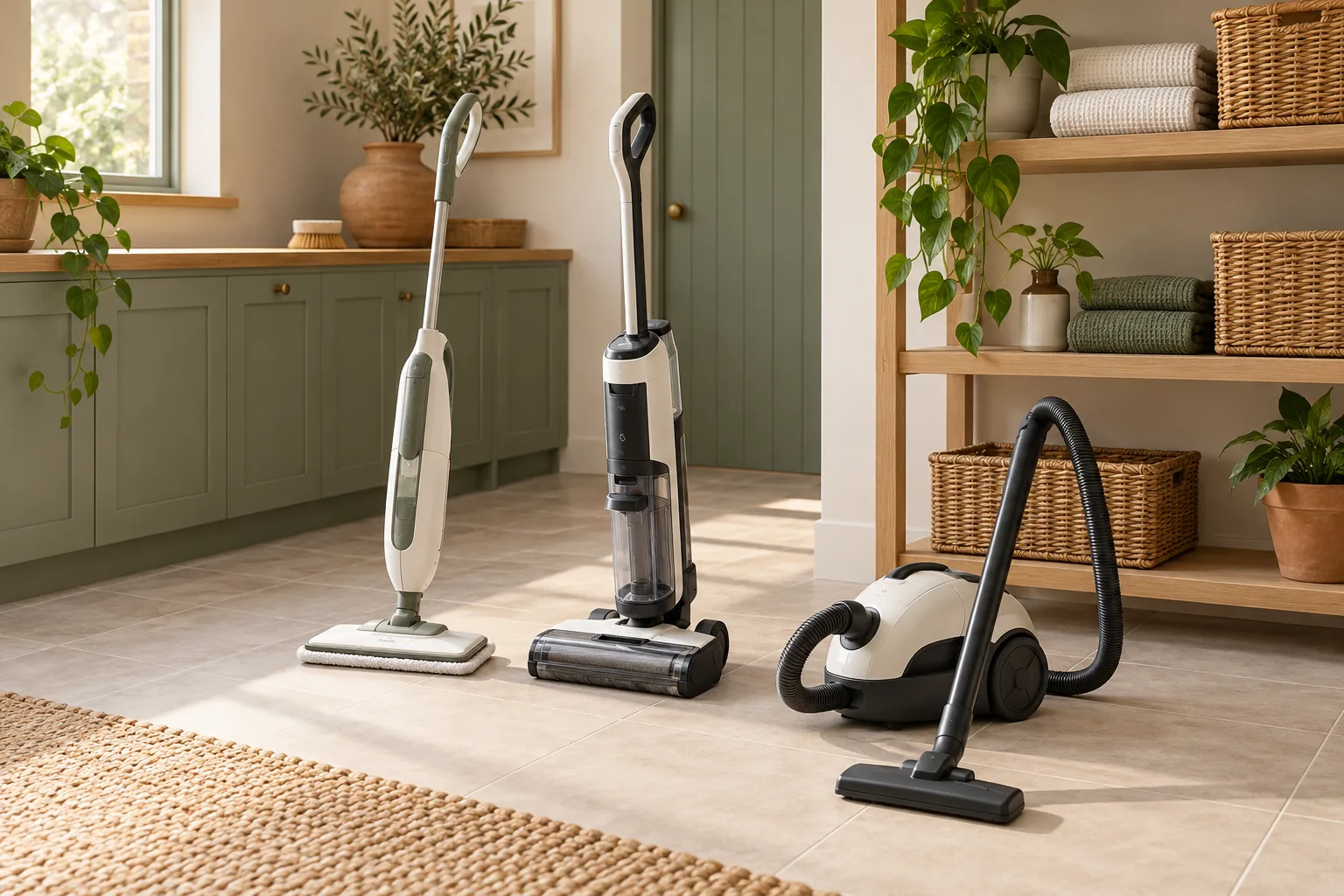
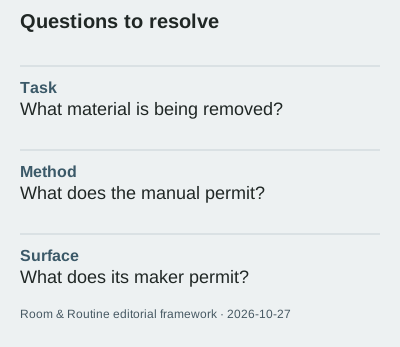
Name the job before the machine
Several cleaning appliances have a handle, a floorhead and a storage position, but similar shapes do not mean they perform interchangeable tasks. Start by describing what you want removed and from which surface. Separate routine dry debris pickup from a proposed washing or steam-cleaning task. Then ask which exact products are designed for that job. A category name is a starting point for research, not permission to use an appliance in an undocumented way. This guide compares the questions to ask; it is not an operating manual.
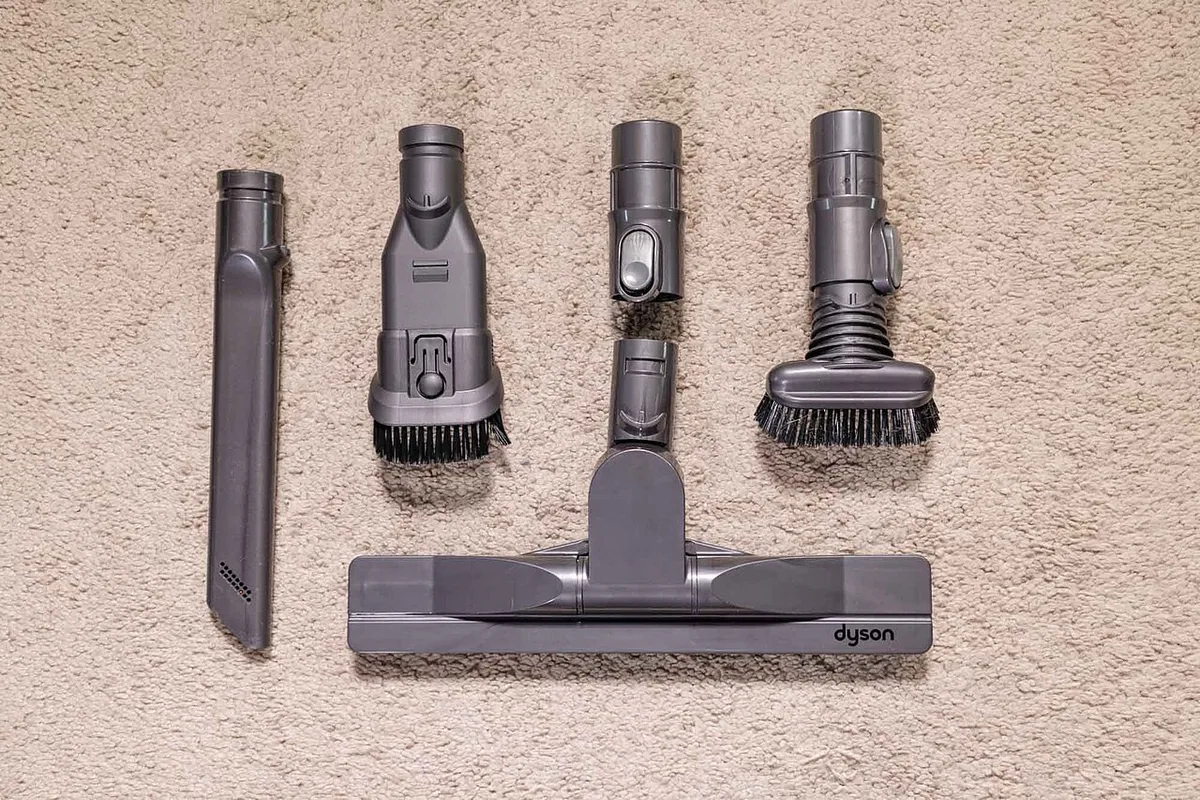
Use the manufacturer's category carefully
BISSELL's Australian FAQ, reviewed on 2026-10-27, distinguishes carpet washers from ordinary dry vacuuming and discusses model-specific attachments and intended uses. That distinction matters when a product name or shop display leaves the job unclear. Ask for the manual section that describes the intended task and surface. Do not infer that a machine collects dry debris, accepts liquid or uses steam simply because it resembles another cleaner. Keep any multi-function claim tied to the exact model and configuration documented by its manufacturer.
Map tasks to existing equipment
List what your current equipment already does according to its instructions, then identify the actual gap. This can reveal that you are considering an additional task rather than a direct replacement. It can also show that a proposed purchase would duplicate an existing function. Neither outcome is automatically wrong, but the distinction belongs in the budget. Avoid assuming that one new machine eliminates every other cleaning tool. Write down which tasks would remain, which supplies they need and where each item would be stored after the purchase.
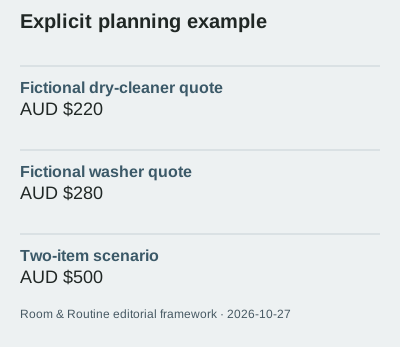
Compare a transparent scenario
For an explicitly fictional example, a dry cleaner quoted at AUD $220 and a separate washer at AUD $280 create an AUD $500 two-item scenario. The washer accounts for 56% of that invented total. These figures are not market prices, a recommendation to buy two machines or evidence that their results would equal a different combination. They simply show why a complete task-based budget can differ from one headline price. Replace them with current quotes, clearly identified packages and the accessories actually needed for your documented tasks.
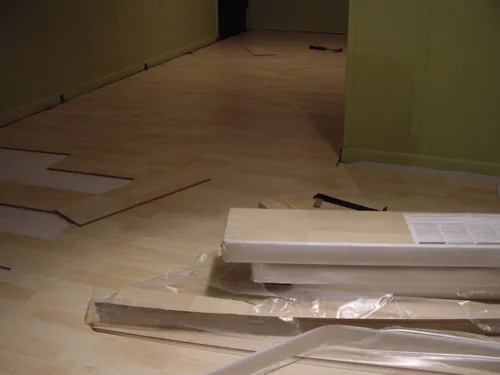
Check the floor and supplies separately
An appliance's intended purpose does not remove the need to check the surface manufacturer's care information. Keep floor identity and approved methods beside the product comparison. Ask which supplies are explicitly specified for the machine and whether those supplies are included in the quote. Do not combine products or transfer a formula between appliances on the basis of this guide. It does not provide chemical-mixing, hot-water or steam-handling instructions. When a required answer is missing, obtain it from the relevant manufacturer rather than guessing from the appearance of the equipment.
Keep claims within the available evidence
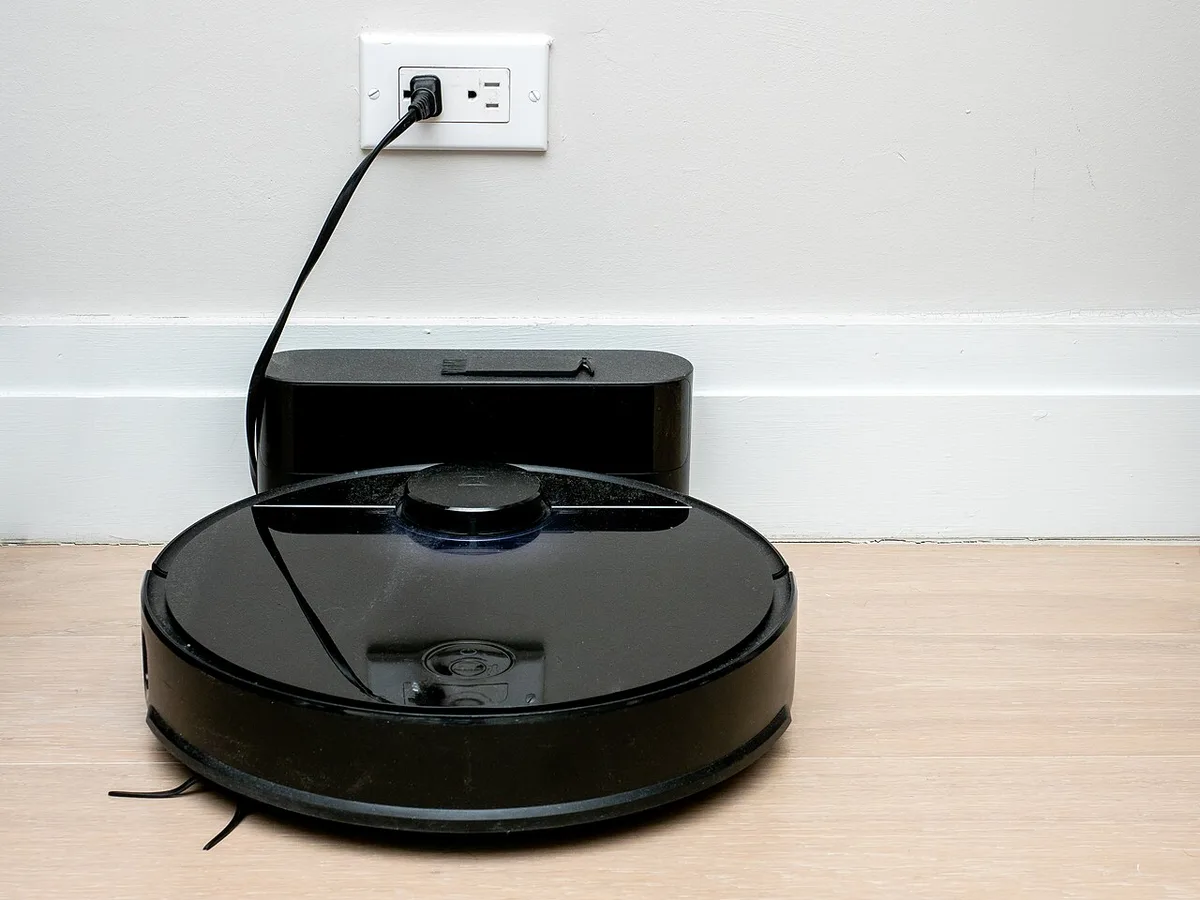
Room & Routine has not measured cleaning performance, drying time, pathogen reduction or allergen removal for these products. A manufacturer claim should be read with its stated conditions, and it should not be expanded into a household health guarantee. Your final comparison should show the intended job, approved surface, documented configuration, supply requirements and complete quote for each option. The real photographs illustrate equipment forms and flooring context; the generated image is a generic concept. A clearly defined task can make a simpler shortlist more useful than a broad claim that one appliance does everything.