Compare the work behind bagged and bagless cleaning
Compare documented supplies and routine care for exact models without assuming one collection system is universally cheaper or better.
Updated:
Compare ownership tasks, not labels alone
Bagged and bagless describe collection arrangements, but they do not fully describe the work of owning a vacuum. Begin by identifying the exact machines you are comparing and finding their user-care documents. List the supplies and tasks each manufacturer actually specifies. Do not assume that a bagless machine has no consumable cost or that a bagged model has a predictable annual bill. Those conclusions require model-specific information and a realistic usage scenario. The purpose of this guide is to make those assumptions visible before a purchase, not to declare a universal winner.
Create a supply record
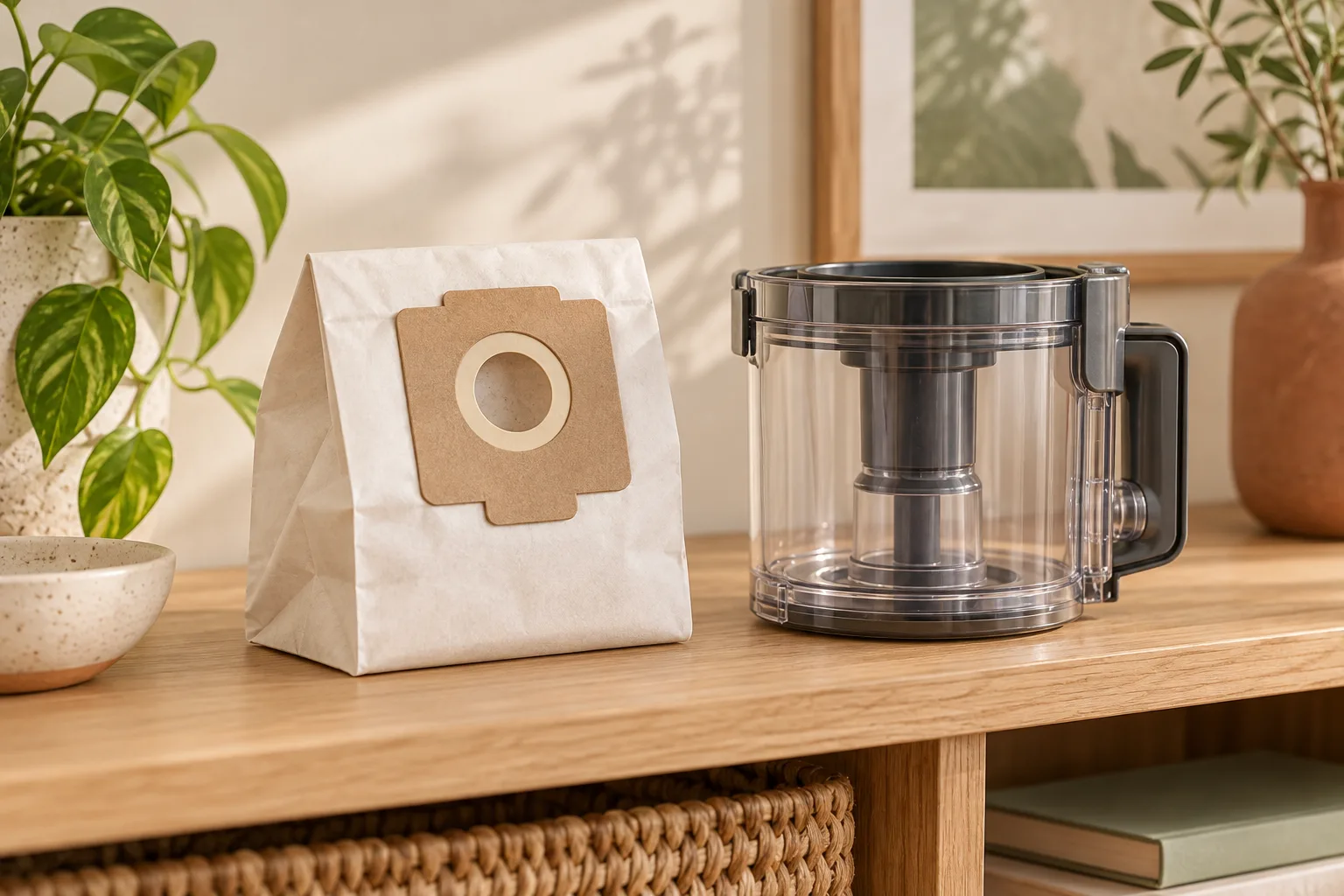
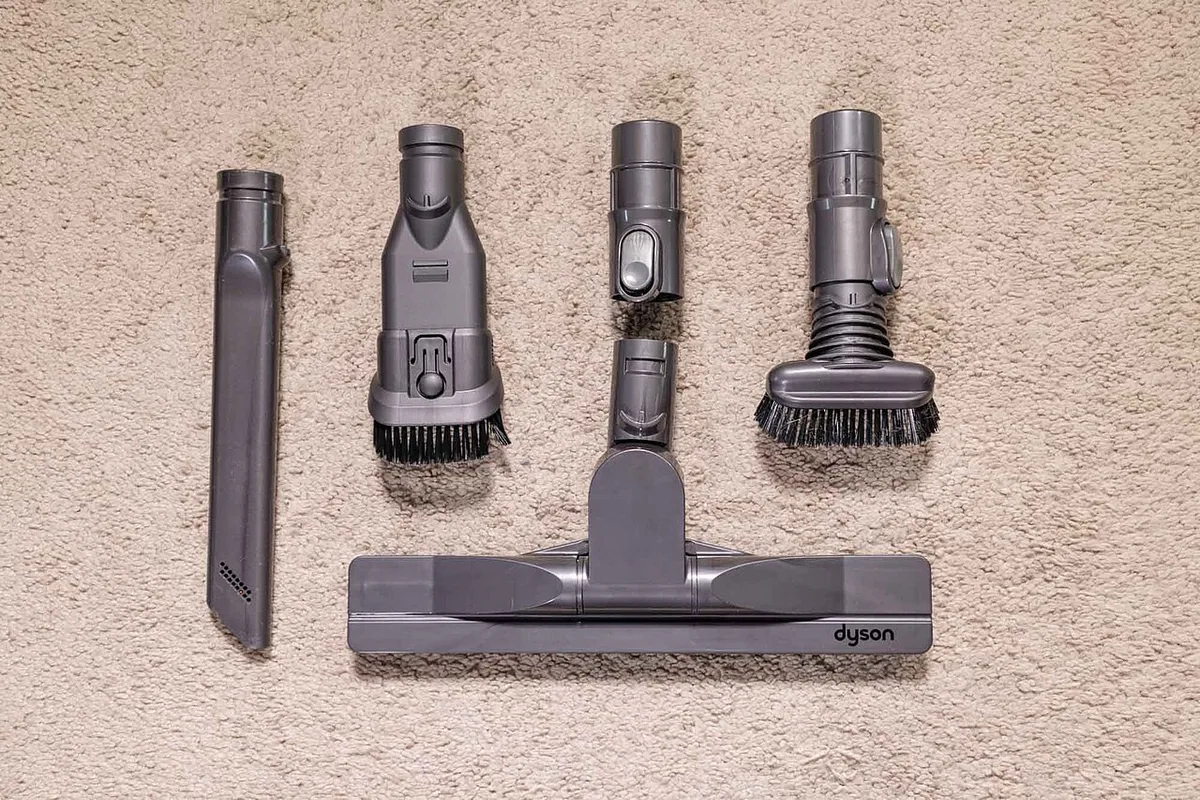
For each relevant item, record the part identifier, the source of the compatibility information and the quote date. Keep bags, filters and any other documented supplies on separate lines. A package price may cover several units, so distinguish price per pack from price per item. Ask the seller to clarify an ambiguous listing rather than dividing by a guessed quantity. The attachment photograph in this article demonstrates why shapes and names vary, but it cannot confirm a supply match. Use official model and part information for that decision.
Use an explicitly hypothetical budget
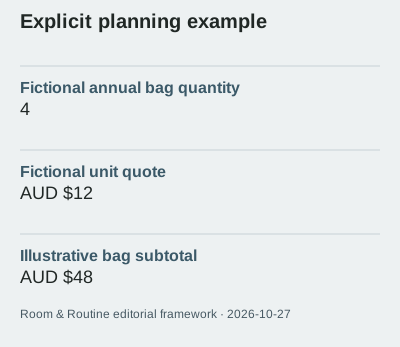
Suppose a fictional planning scenario uses four bags at AUD $12 each. The bag subtotal is AUD $48. If the same fictional scenario also includes an AUD $32 filter, the combined amount is AUD $80, with bags making up 60% of that total. These are invented inputs for explaining arithmetic, not prices or replacement recommendations for an actual cleaner. Change the quantities and quotes to reflect the exact product information you obtain. An annual scenario is only as credible as its assumptions, so keep the source of every quantity beside the calculation.
Do not invent a care interval
Miele's Australian support page for reduced cleaning performance, checked on 2026-10-27, distinguishes between bag and filter conditions and particular filter types. That is a reason to locate the instructions for the exact model, not permission to apply one interval to every vacuum. This guide does not provide a general filter-washing or repair procedure. Record whether the manual describes inspection, replacement or another user-care task and follow its own wording and scope. If the instructions are unclear, use the manufacturer's support channel instead of improvising a maintenance rule.

Observe the practical routine
Consider where documented care tasks would happen and how supplies would be stored. Ask for a demonstration of permitted routine handling if that would help you understand the purchase. Keep personal observations separate from health or filtration claims: this publication has not tested dust release, allergen removal or air quality for these machines. A particular routine may suit one household's preferences and not another's. Write down the reason in concrete terms, such as storage space or the clarity of the instructions, rather than attaching an unsupported cleanliness score to a whole category.
Review the complete comparison
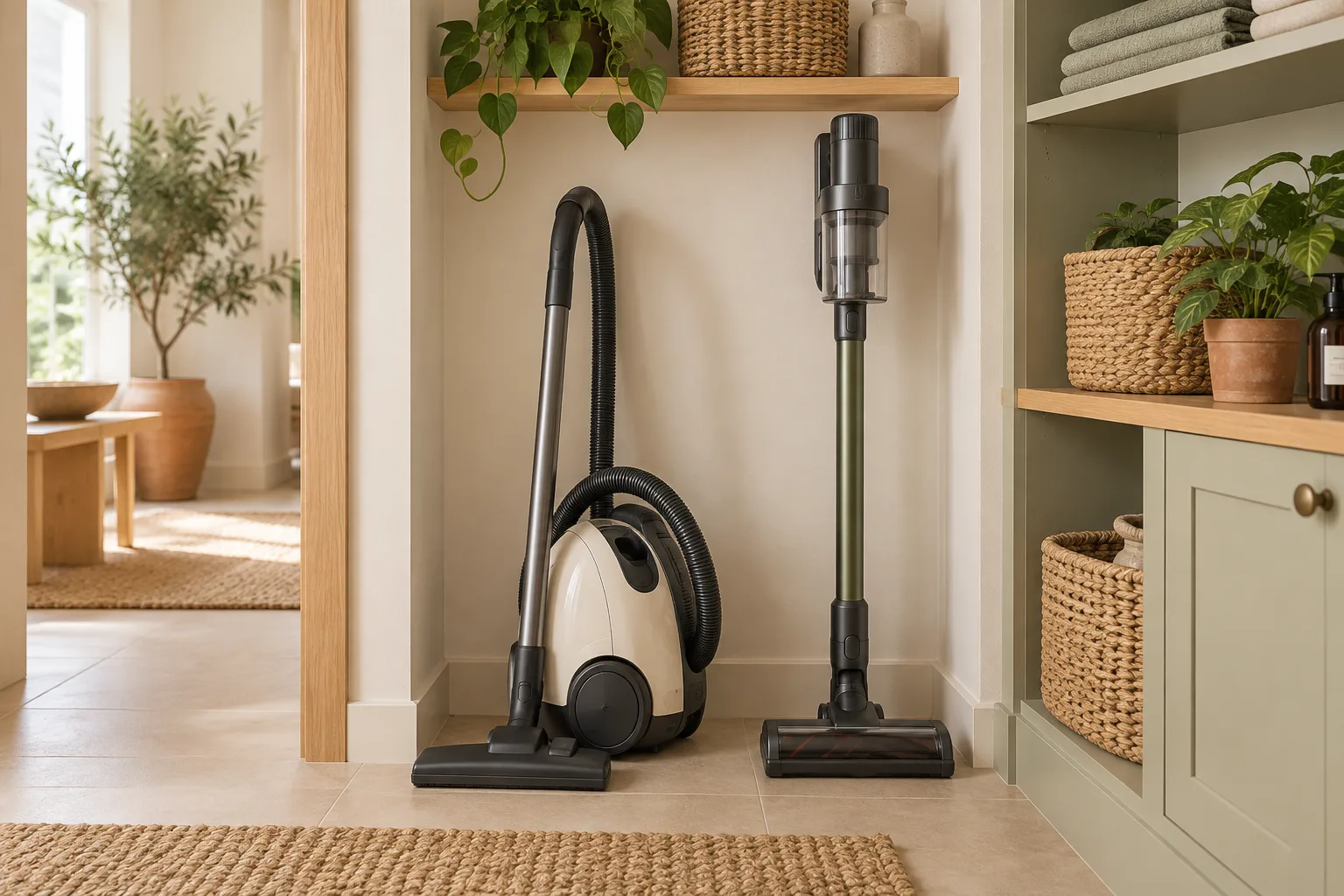
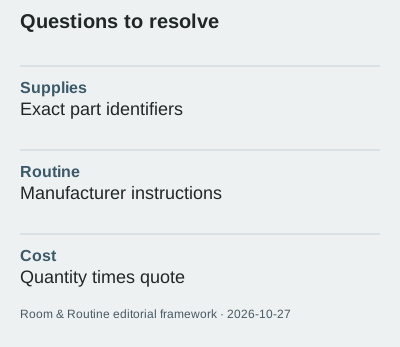
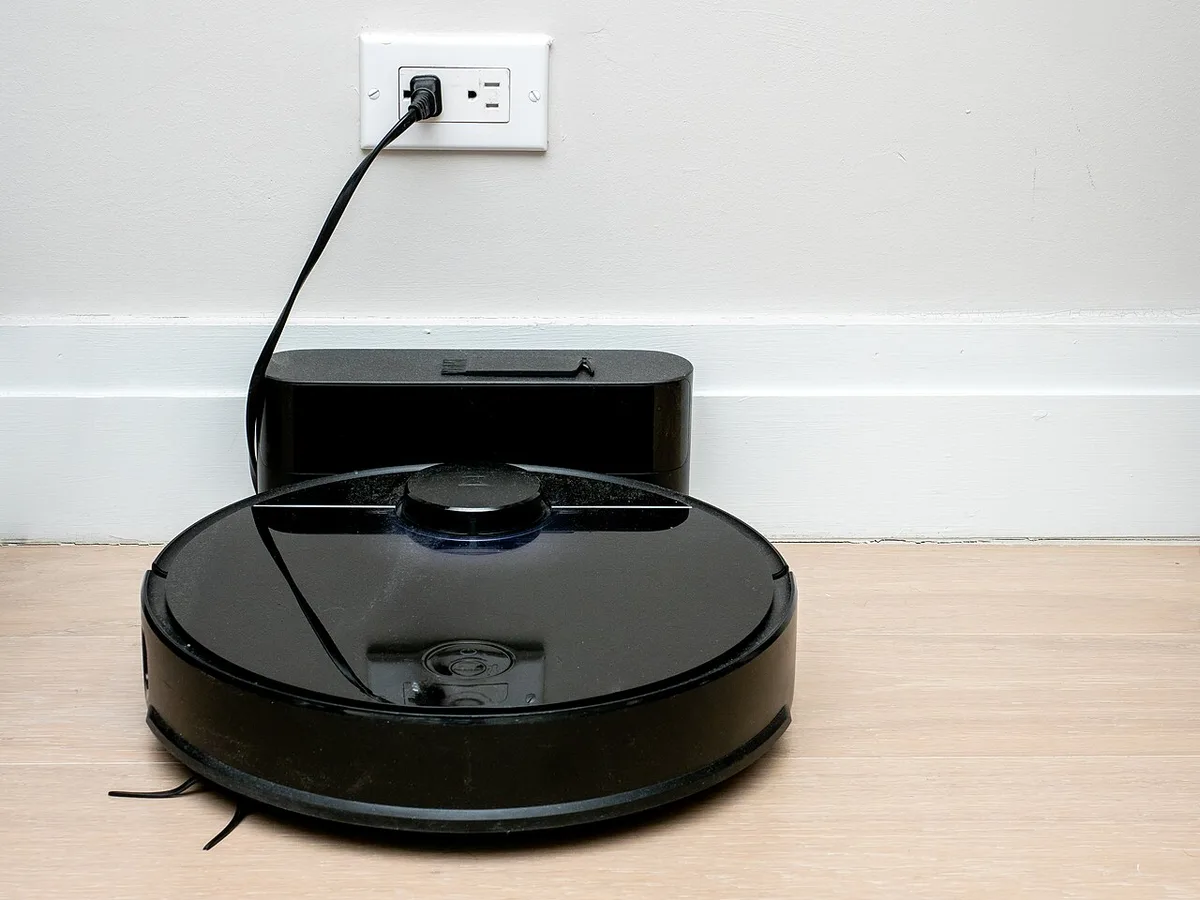
Put the documented care tasks, supply identifiers, fictional or quoted cost assumptions and unresolved questions on one page. Label each number according to whether it is a current quote or a planning input. A lower subtotal cannot settle an unanswered compatibility question, and a familiar collection label does not establish equal performance. The generated image is a generic concept; the real photographs provide equipment and floor context only. Revisit the supply record when the model, package or household routine changes. A transparent comparison helps you make a choice you can explain and maintain.
Miele Australia — Bagged-vacuum performance and maintenance ?