Choose a vacuum around the way you carry and steer it
Use a repeatable handling brief to compare carrying, steering, storage and routine care without inventing a comfort score.
Updated:
Describe the journey out of storage
A vacuum is handled before it cleans anything. Think through the route from its storage place to the first room and identify the movements that matter to you. You may need to lift the machine, carry separate parts or reach a cupboard shelf. Write those tasks in ordinary language rather than trying to infer comfort from a product weight alone. This is a personal handling brief, not a medical assessment or a claim about what another person will find easy. The useful question is whether you can evaluate the actual arrangement before committing.
Compare like-for-like configurations
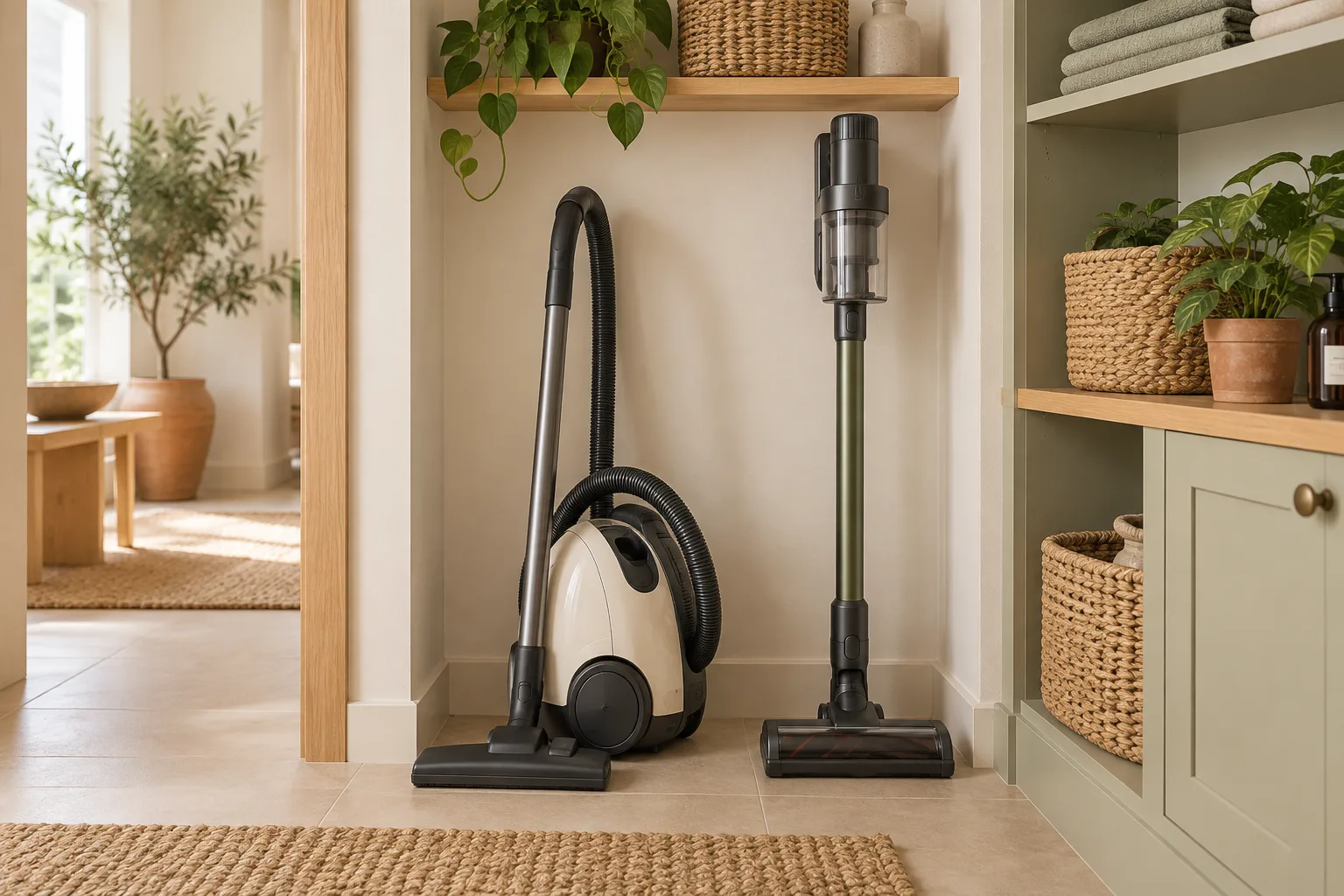
Ask which parts are fitted when a quoted specification or demonstration is shown. A body, tube and powered head can be presented differently from a handheld unit, and the names alone may not make the comparison clear. List the configuration you expect to use most often and request an appropriate demonstration. Keep your observations separate from published specifications: what felt awkward to you in a shop is a personal observation under those conditions. It is not evidence that the product performs poorly for every household or that another setup would behave identically.
Walk through steering and reach
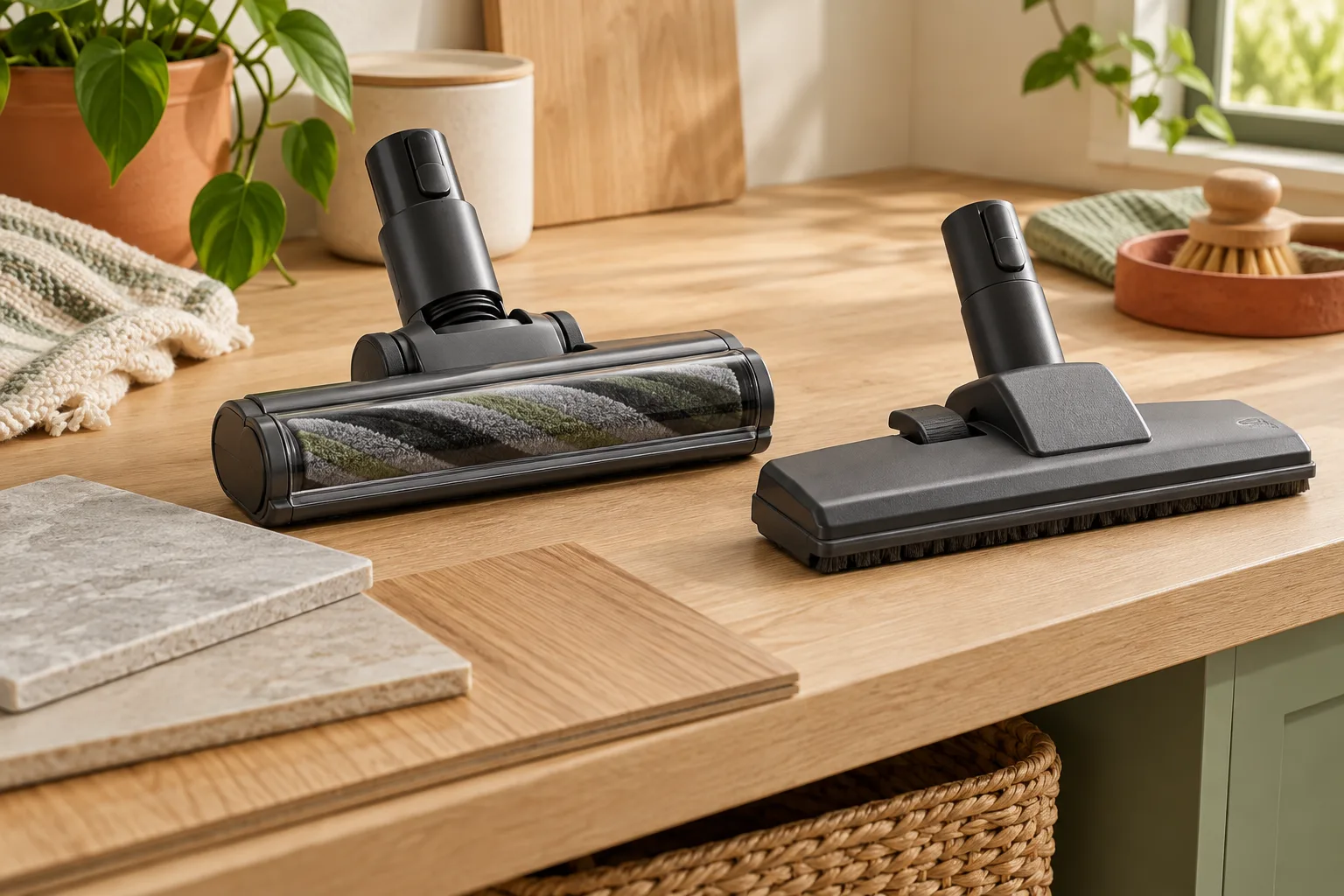
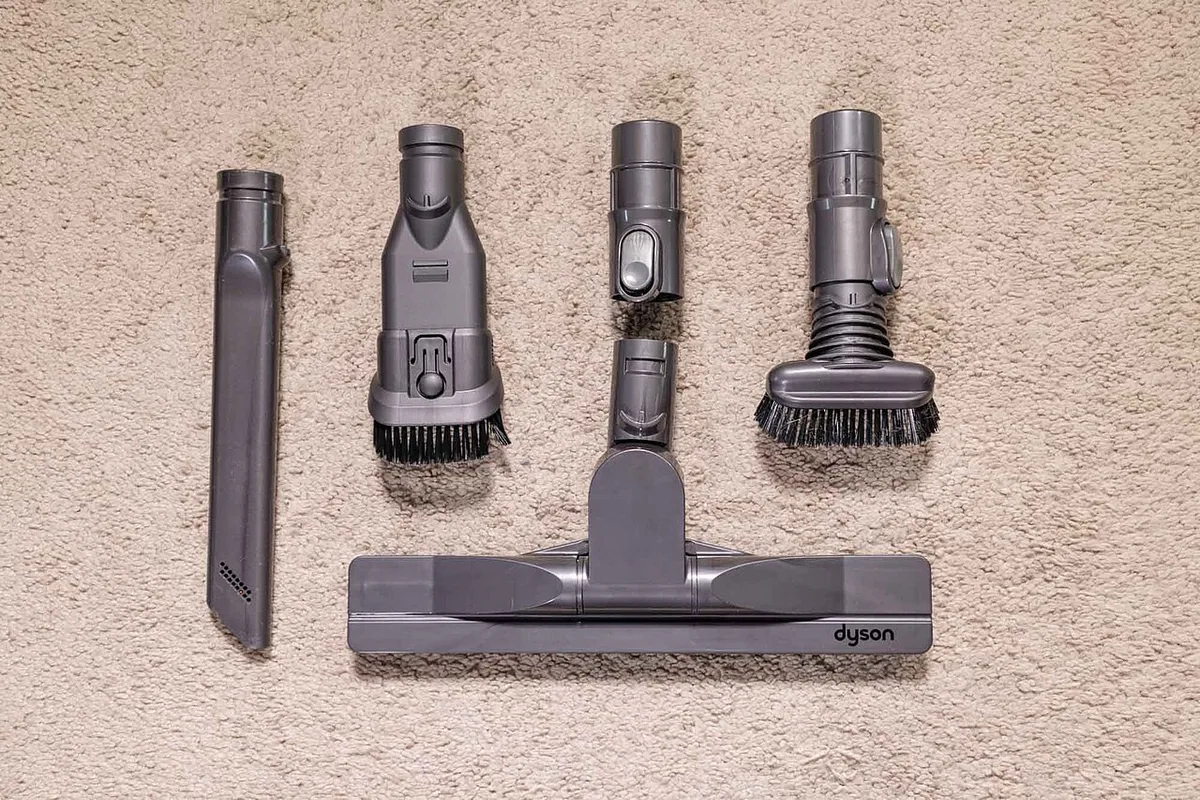
Bring a short description of the spaces you need to clean, including furniture edges and the surfaces involved. If a shop permits a demonstration, try the controls and movements relevant to that description within the retailer's instructions. Do not turn a quick trial into an improvised durability or safety test. Note any question you cannot answer in the showroom. The attachment photograph here shows several tool shapes, but shape alone does not establish compatibility or an approved use. A suitable head and a manageable movement need to be considered together.
Include the care tasks
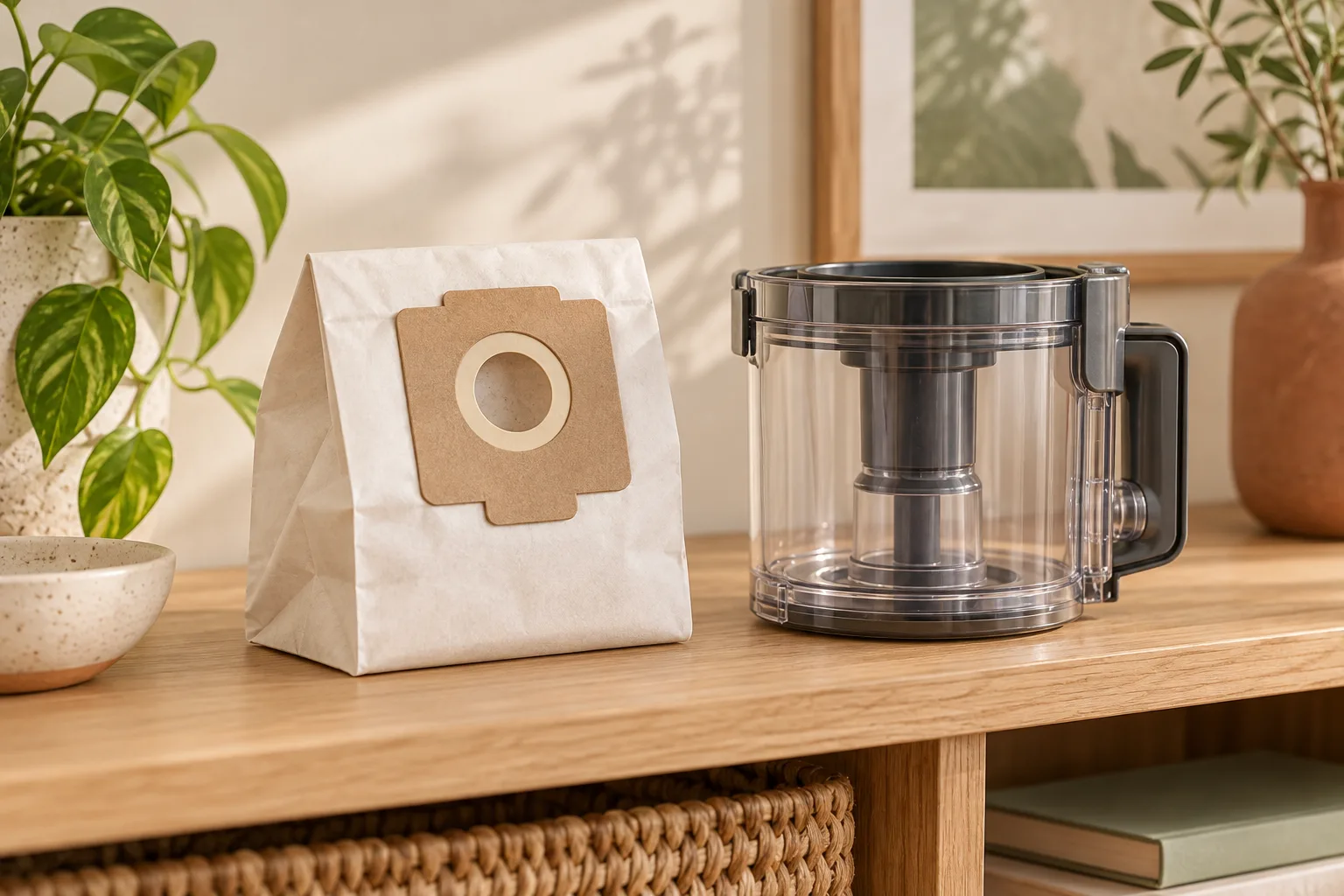
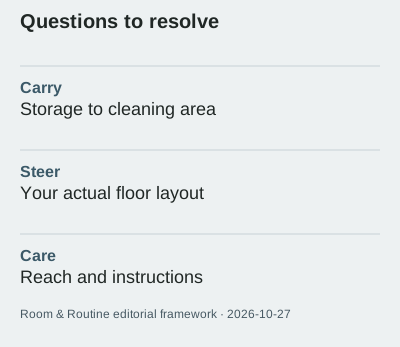
Handling also includes opening the permitted user-access parts and understanding the care routine. Miele's Australian support information and Dyson's model-specific support page, checked on 2026-10-27, illustrate why instructions must be tied to the exact machine. They are not universal procedures for every vacuum. Ask where the manual describes routine care and which tasks belong with support. Do not assume a part is washable because another model has a washable filter. If a necessary task is difficult to understand or reach, record that concern before choosing an accessory package.
Keep the price sheet separate
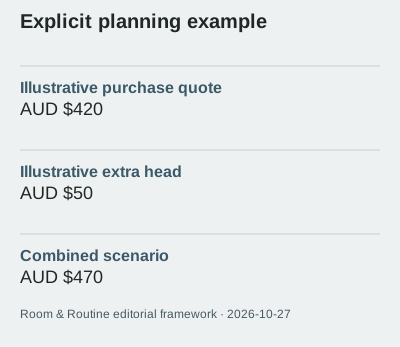
A fictional AUD $420 machine plus an AUD $50 compatible head makes an AUD $470 purchase scenario before other charges. The extra is approximately 11.9% of the fictional machine price, but that percentage says nothing about value or suitability. Replace these figures with current written Australian quotes when comparing products. Ask whether the head used in a demonstration is included in the quoted package. Otherwise a handling preference can quietly become a different purchase from the one you originally compared. Keep the model and package identifiers beside every price.
Write a useful conclusion
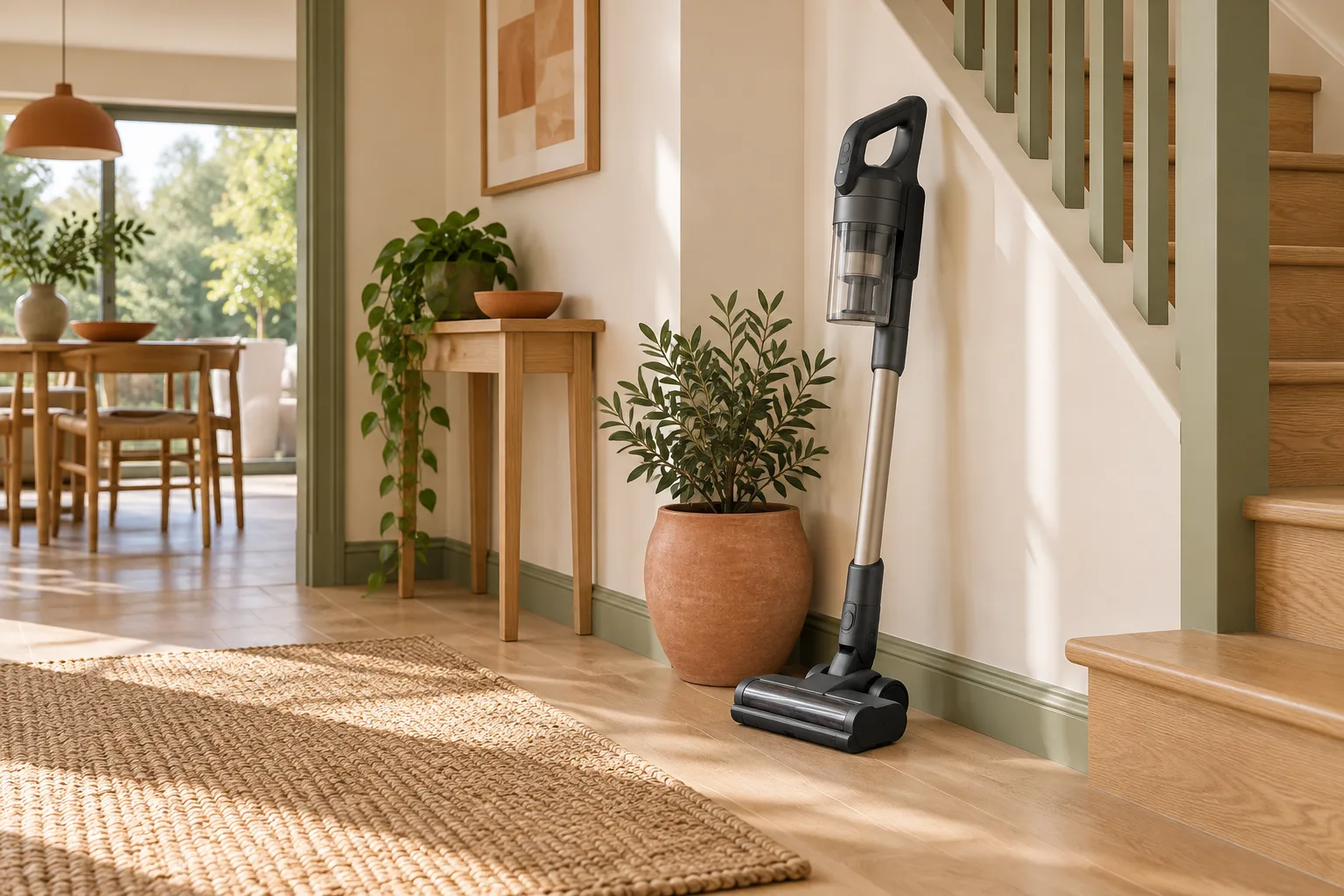
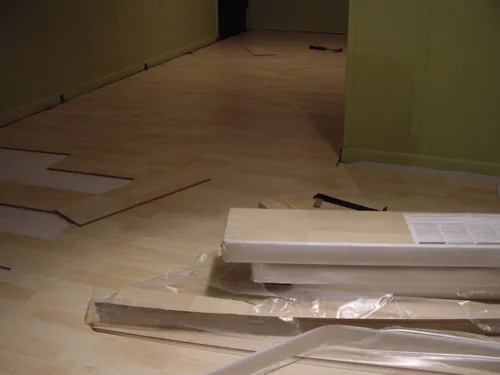
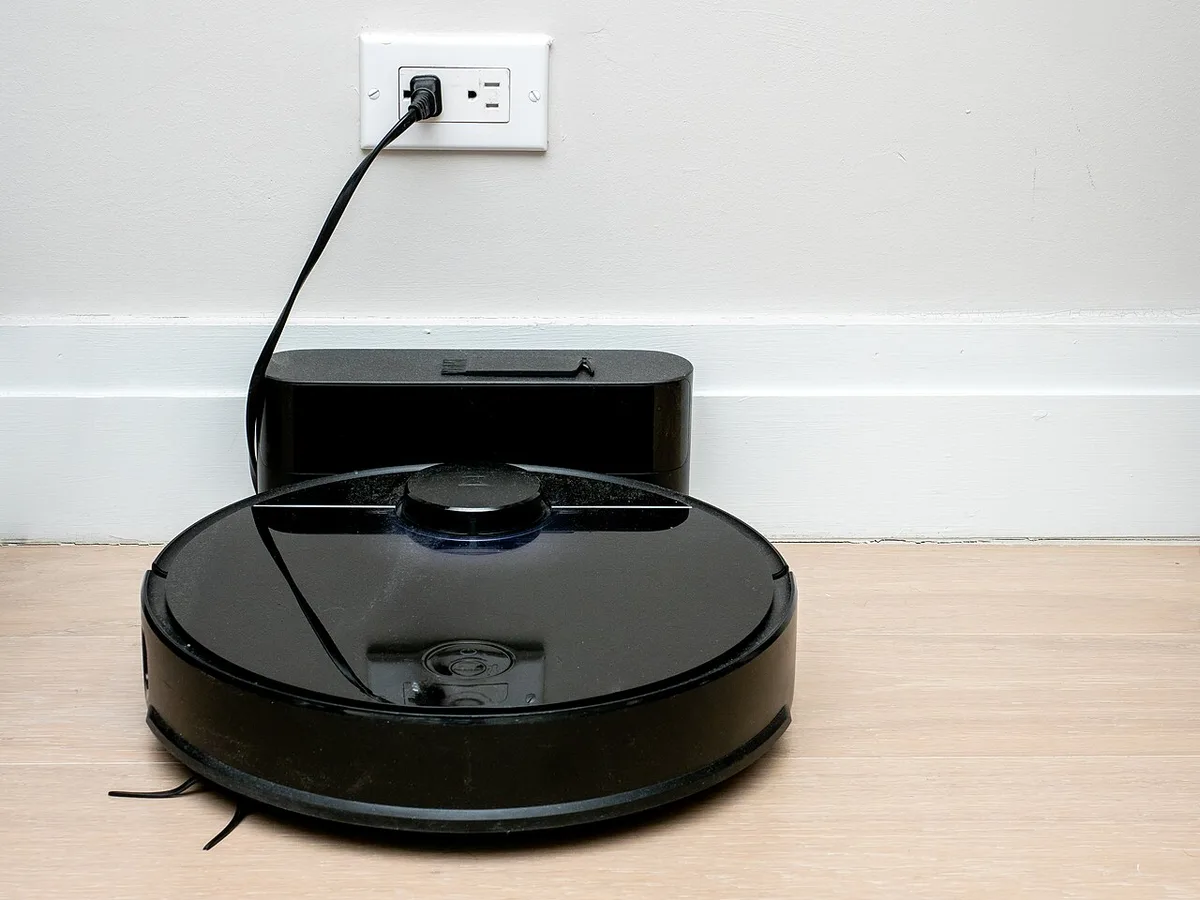
Conclude with the configuration tried, the movements observed and the questions still open. Avoid a single unsupported comfort score that hides a serious storage or care concern. If you could not try an important task, say so and seek a clearer demonstration or documentation. The generated lead image is a generic concept, not a hands-on test by Room & Routine. Your own dated notes are the evidence for your preferences. They can support a more focused conversation with a retailer and help you decide whether a simpler or differently configured machine deserves consideration.
Miele Australia — Bagged-vacuum performance and maintenance ? Dyson Australia — V6 Trigger Origin filter care ?