Compare corded and cordless tasks before comparing runtime
Compare the actual cleaning tasks, storage and documented operating assumptions before relying on a runtime headline.
Updated:
Begin with a task list
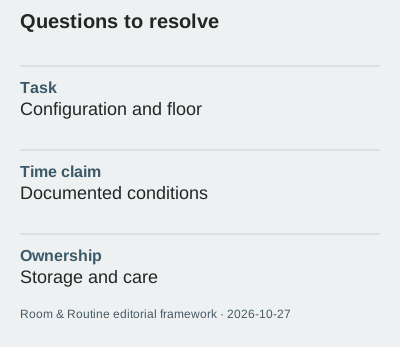
Corded and cordless are useful categories, but neither tells you whether a particular cleaner suits the work in your home. List the jobs you expect it to perform and describe the configuration involved. A quick handheld task is different from a floor-cleaning session with a particular head. Include where the machine starts, where it is stored and whether the household normally cleans in one session or several. These observations create a comparison that reflects your routine. They do not require you to guess a battery life or assign a universal advantage to either category.
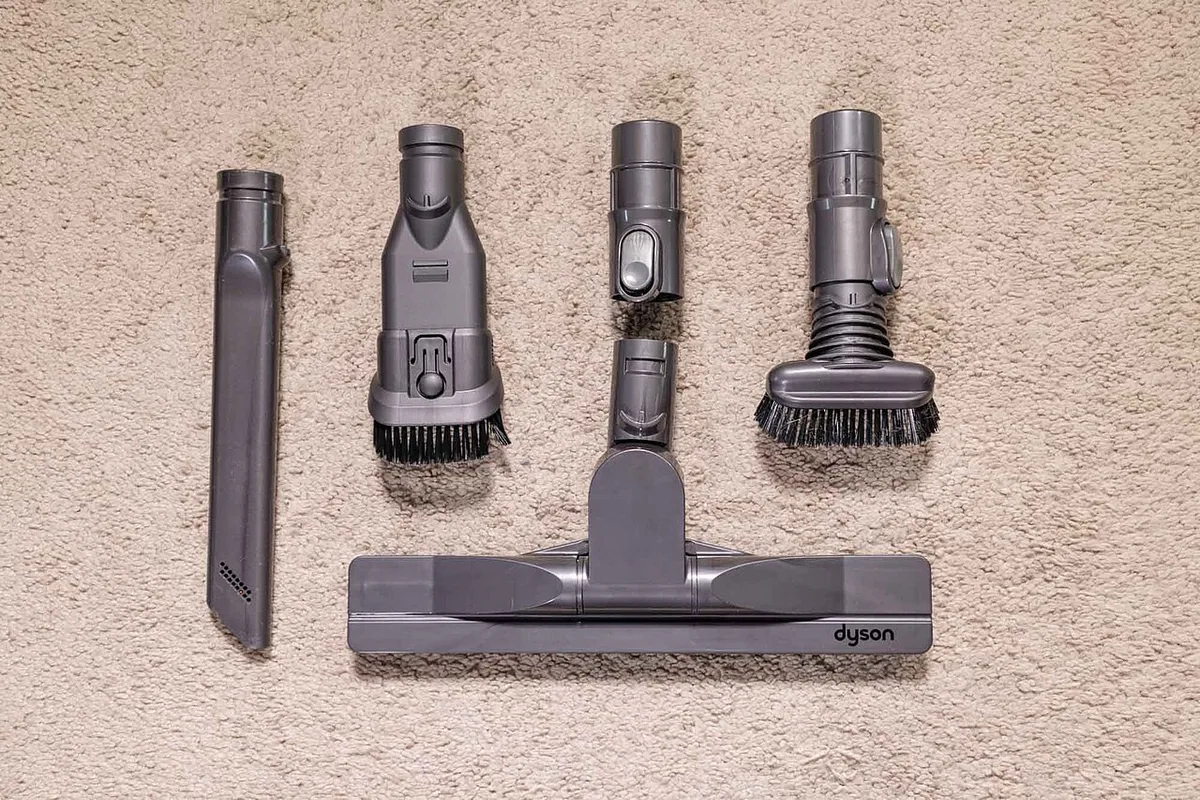
Read the conditions attached to time claims
If a product advertises a runtime, locate the official explanation of the conditions behind that number. Record the mode, fitted tools and any other stated assumptions rather than copying the headline alone. Do not convert an advertised time into a promise about your whole home. This publication has not run comparative runtime tests. A useful retailer question is how the documented conditions relate to your intended configuration and where that answer appears in the product information. Keep any uncertainty visible rather than making the comparison look more precise than the evidence allows.
Consider the route through the home
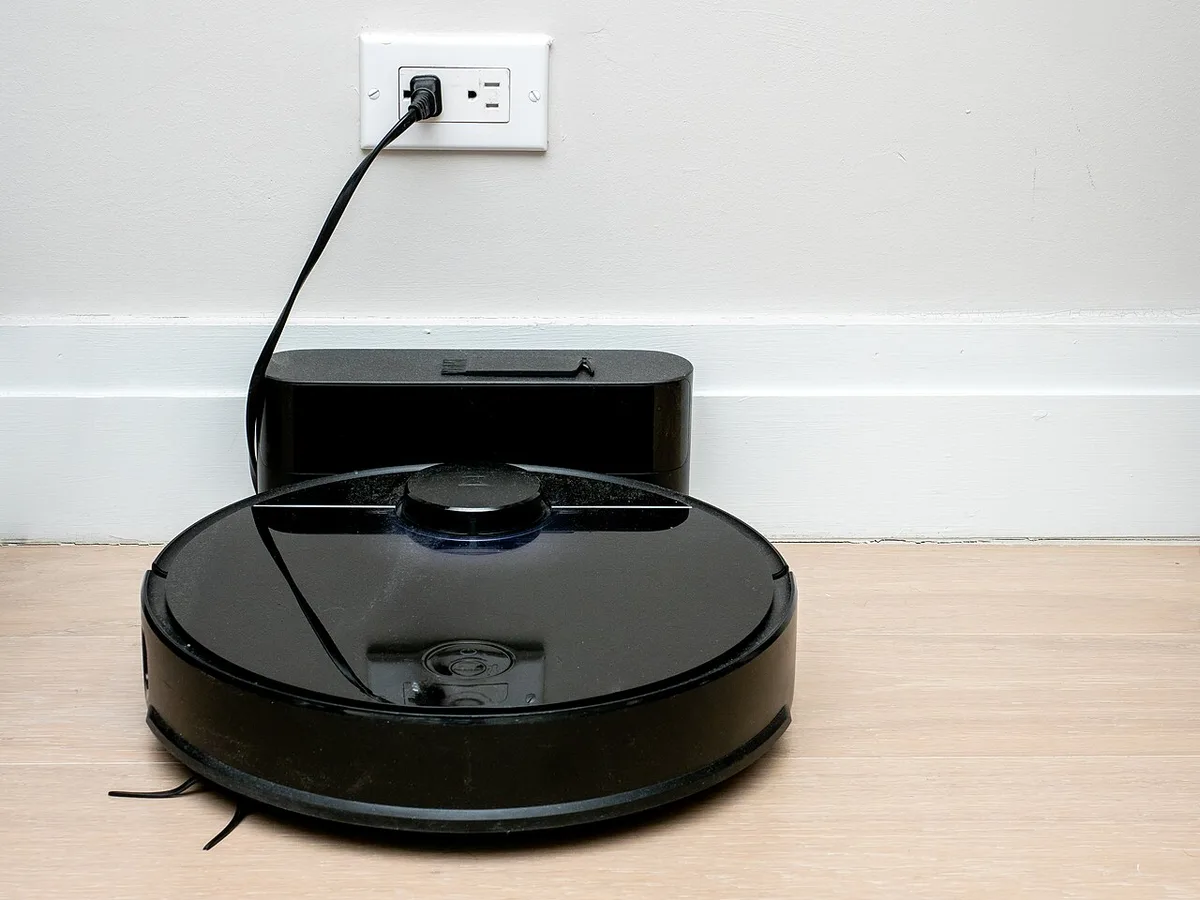
Write down the rooms and transitions involved, then ask what the operating instructions require for the actual setup. Do not improvise electrical arrangements or modify a battery system to make a preferred product fit the plan. For a robot cleaner, docking and navigation questions form another part of the route; for a manually handled machine, carrying and steering deserve attention. Dyson's Australian robot feature overview, checked on 2026-10-27, can help frame layout questions, but it is not a test of corded versus cordless cleaning and should not be treated as one.
Keep purchase arithmetic honest
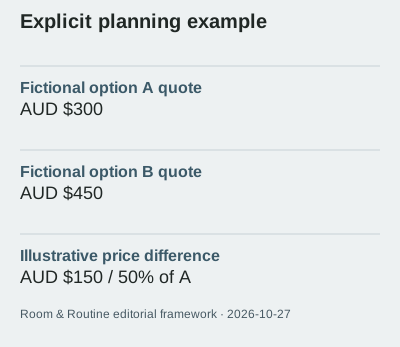
For an explicitly fictional comparison, option A at AUD $300 and option B at AUD $450 differ by AUD $150. Option B's purchase price is 50% higher than A in that example. The calculation does not establish lifetime cost, cleaning performance or value. A current quote must identify the exact package, included heads and any delivery charge. If one option contains an accessory that the other lacks, show that difference separately. Avoid using a price percentage as a shortcut for deciding which configuration suits a task.
Look beyond the first session
Locate the care information and support route for each exact model. Dyson's V6 Trigger Origin support page is specific to that machine; its filter guidance cannot be extended to every cordless or corded cleaner. The practical comparison is whether you can find and follow the documentation that applies to the product in front of you. Ask which supplies or user-care tasks need to be planned, without inventing replacement intervals. Keep storage requirements and the time a machine is unavailable for documented care separate from an advertised operating-time figure.
Choose a documented fit
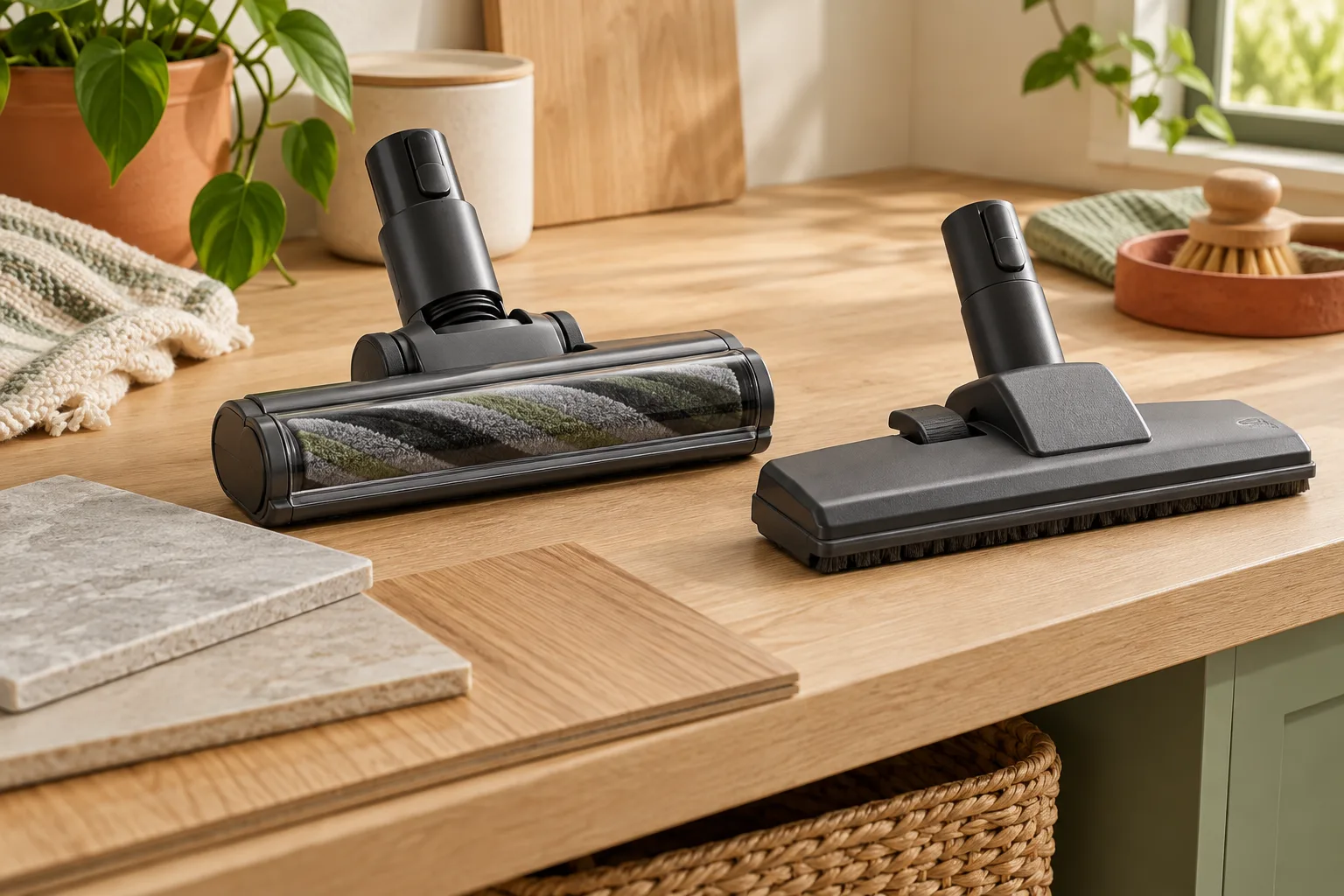
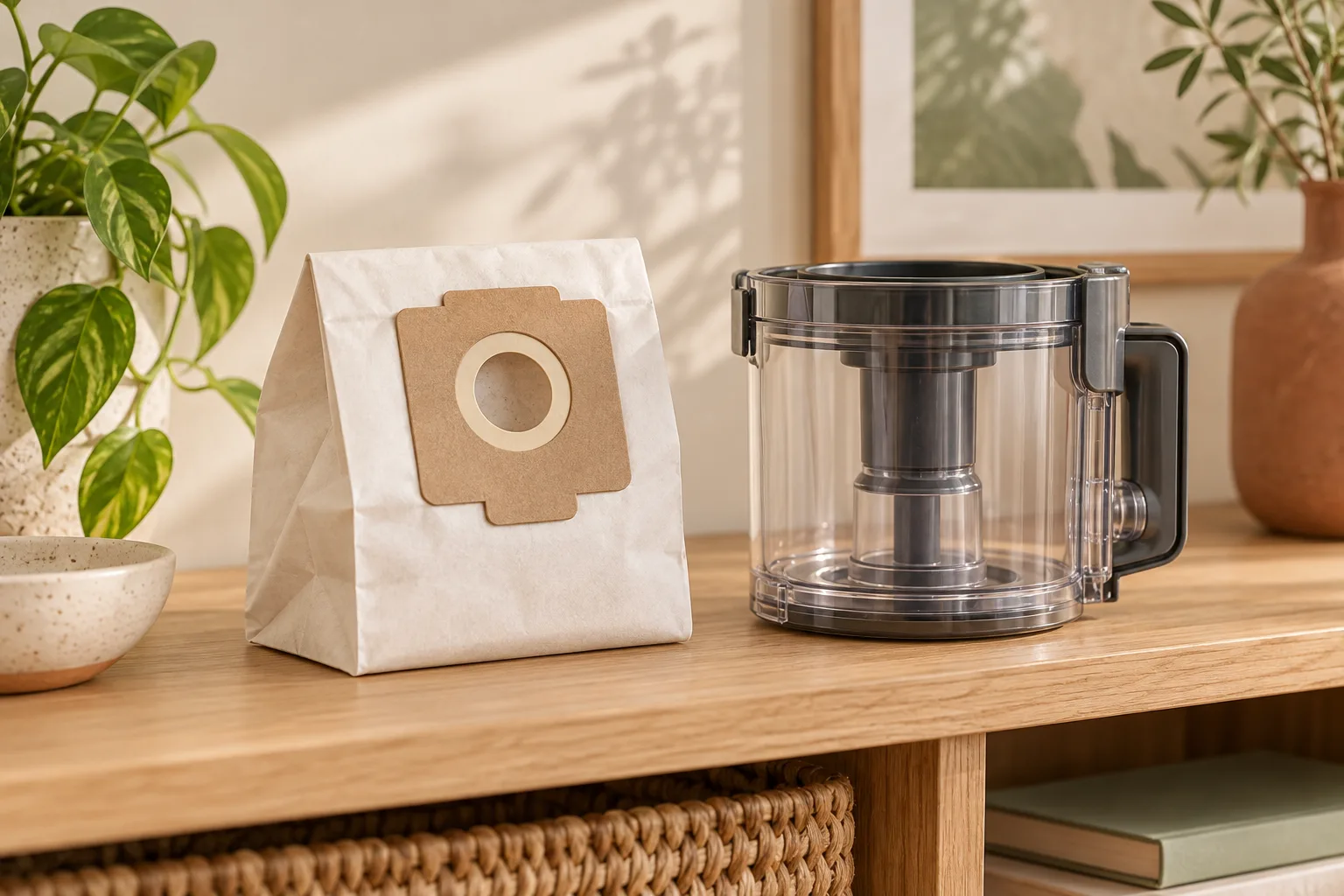
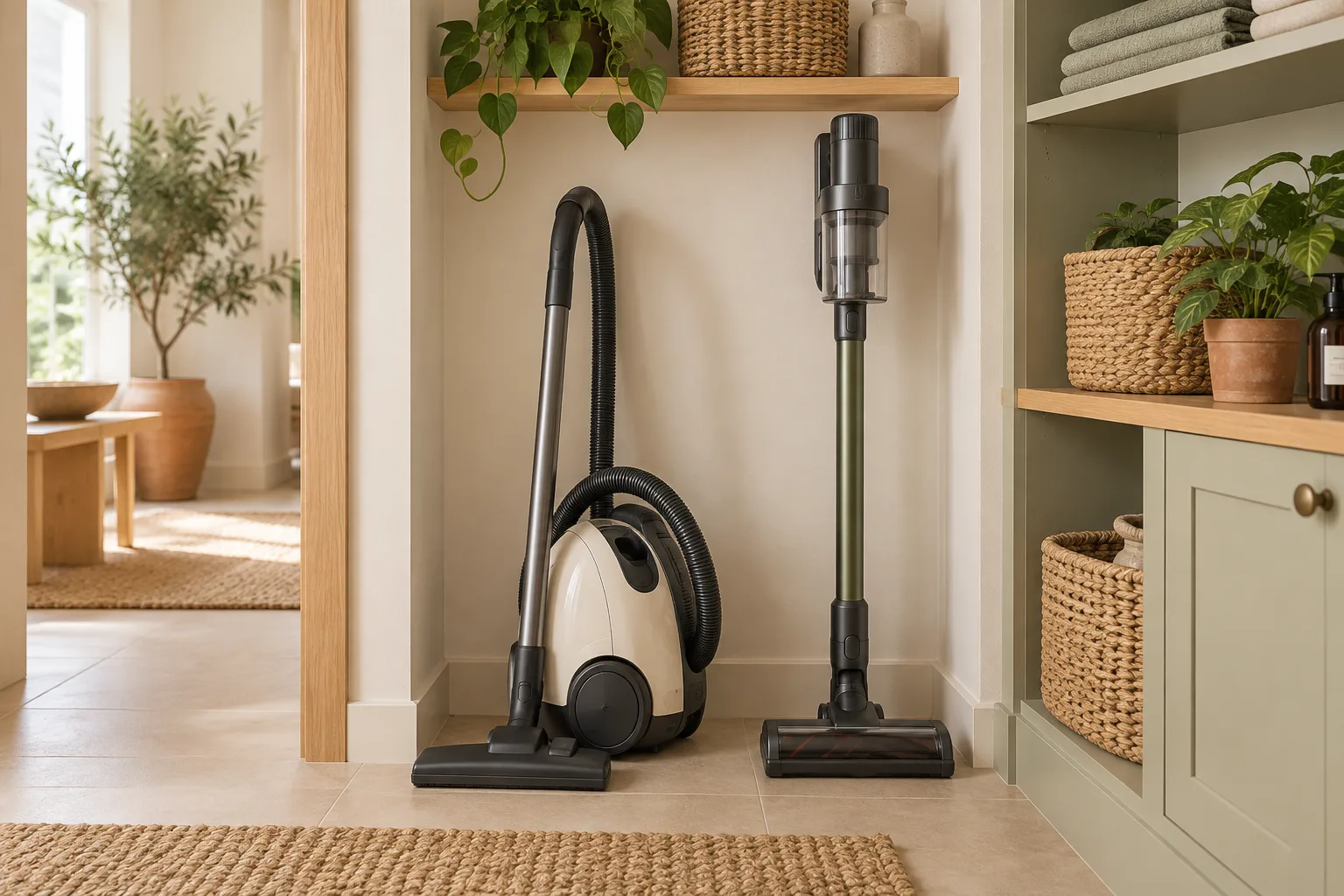
Summarise each option against the same tasks: configuration, operating conditions, handling, storage, care and complete quote. A blank field is a question to resolve, not a reason to insert a plausible estimate. If your cleaning routine is flexible, record that flexibility as part of your preference rather than claiming it changes the appliance specification. The photographs here illustrate equipment and household context, while the generated lead image is conceptual. None represents a comparative trial. The strongest conclusion is a clearly explained fit to your own brief, supported by current model information.
Dyson Australia — V6 Trigger Origin filter care ? Dyson AU — Robot vacuum selection questions ?