Estimate the floor area you intend to clean
Estimate a rectangular floor area with explicit exclusions, while keeping geometry separate from robot reach and cleaning performance.
Updated:
Define what the number is for
A floor-area estimate can help describe the task you want a cleaner to cover. It is not a prediction of operating time, battery use or cleaning performance. Before measuring, decide whether you are recording the whole room, the floor you intend to include or a simplified area after exclusions. Give the result a clear label. Without that label, two apparently similar numbers can refer to different things. Our calculator uses one rectangle and an excluded footprint, which makes its assumptions visible but limits the shapes it can represent directly.
Calculate a simple rectangle
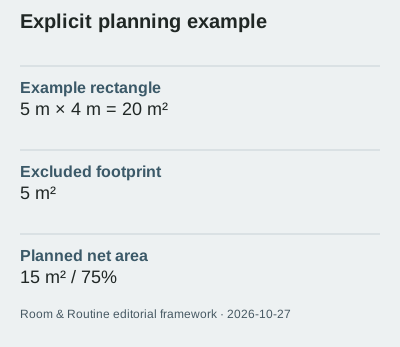
For an explicitly hypothetical room measuring five metres by four metres, the gross rectangle is 20 square metres. If you enter an excluded footprint of five square metres, the remaining scenario area is 15 square metres, or 75% of the rectangle. These numbers describe arithmetic only. They do not establish that every part of the remainder is reachable by a robot or suitable for a cleaning method. Use consistent units and check that the excluded footprint does not exceed the room area. The tool rejects that impossible input rather than reporting a negative cleaning area.
Handle irregular shapes transparently
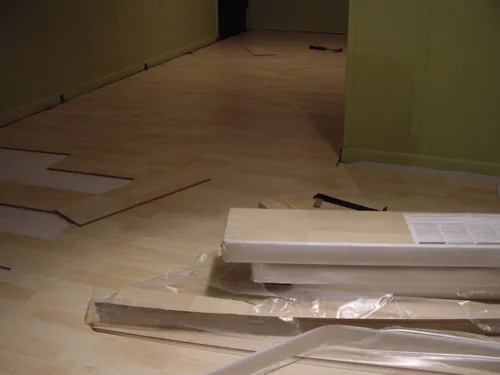
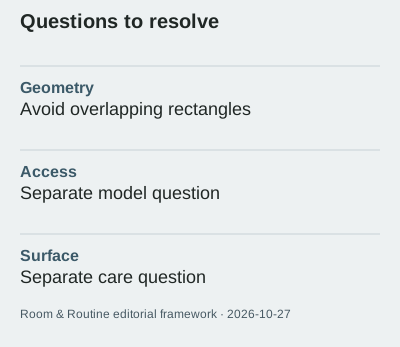
For a room that is not rectangular, sketch non-overlapping rectangles and calculate them separately. Mark which dimensions were measured and which remain approximate. Do not count the same corner twice or subtract a furniture footprint twice when combining areas. A more detailed drawing may be needed for a complicated layout, but extra decimal places do not automatically make an uncertain measurement accurate. Keep the method with the result so another person can understand what was included. The original figure in this guide explains the simple example rather than representing an actual home survey.
Keep access outside the formula
A narrow gap, doorway or threshold can affect the practical task without changing the gross rectangle. Record these features separately and ask the appliance supplier about the exact model. Dyson's Australian robot overview, checked on 2026-10-27, discusses layout considerations, but it does not validate the access implied by your drawing. A numerical area within a product's advertised scope is not proof that the cleaner will reach every part of it. The dock, furniture arrangement and operating instructions still need their own questions and evidence.
Keep surface care outside the formula too
An area calculation cannot identify a floor or approve a cleaning method. Connect the drawing to your floor inventory and the relevant manufacturer care information. Quick-Step's Australian cleaning material is one source for its own products, not a universal rule for all surfaces. If a hypothetical accessory quote is AUD $30, that amount can go into a budget; it cannot change the geometry or resolve a floor-care uncertainty. Keeping these records separate makes the eventual comparison easier to audit and prevents a tidy calculation from carrying more meaning than it should.
Use the result as a conversation aid
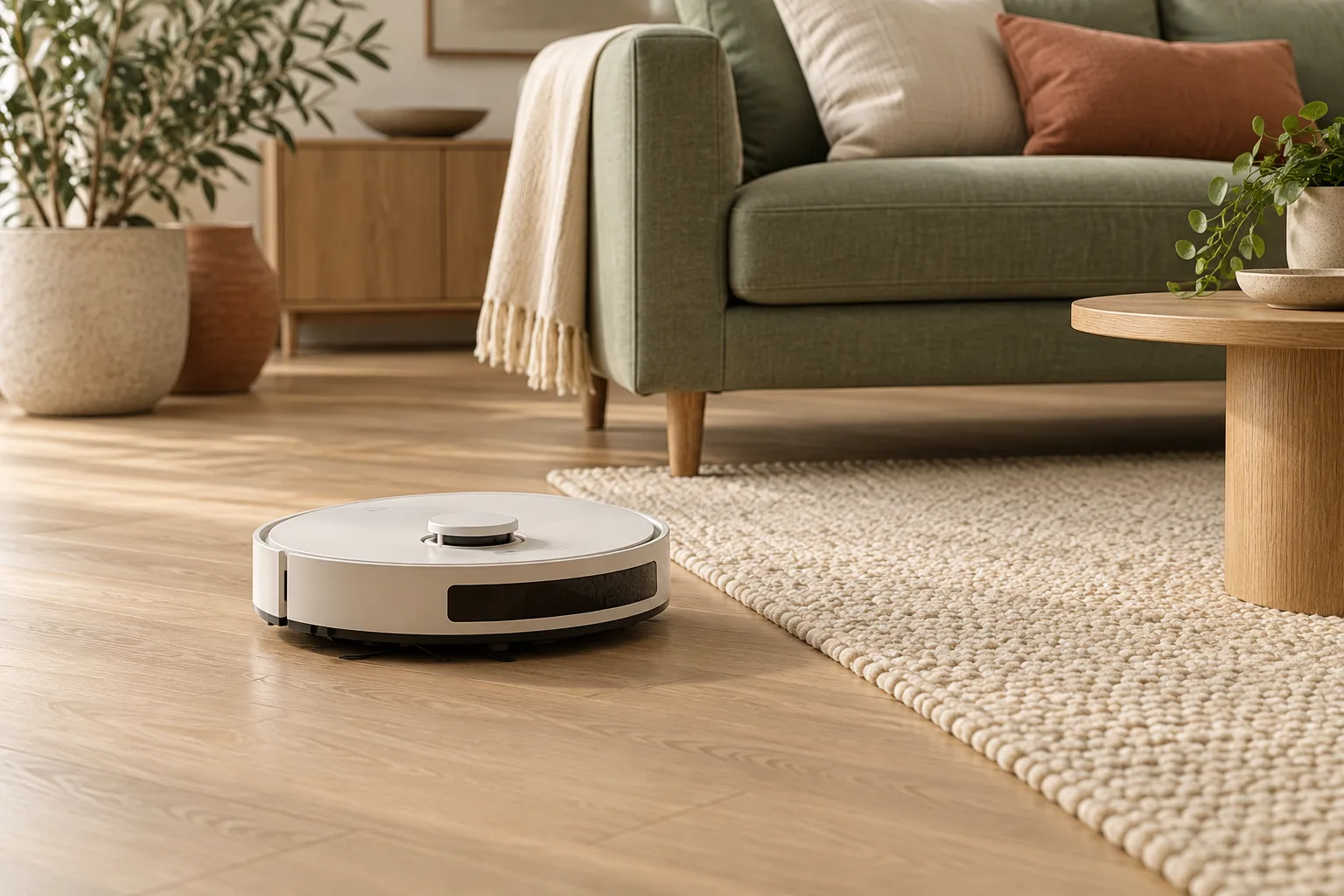
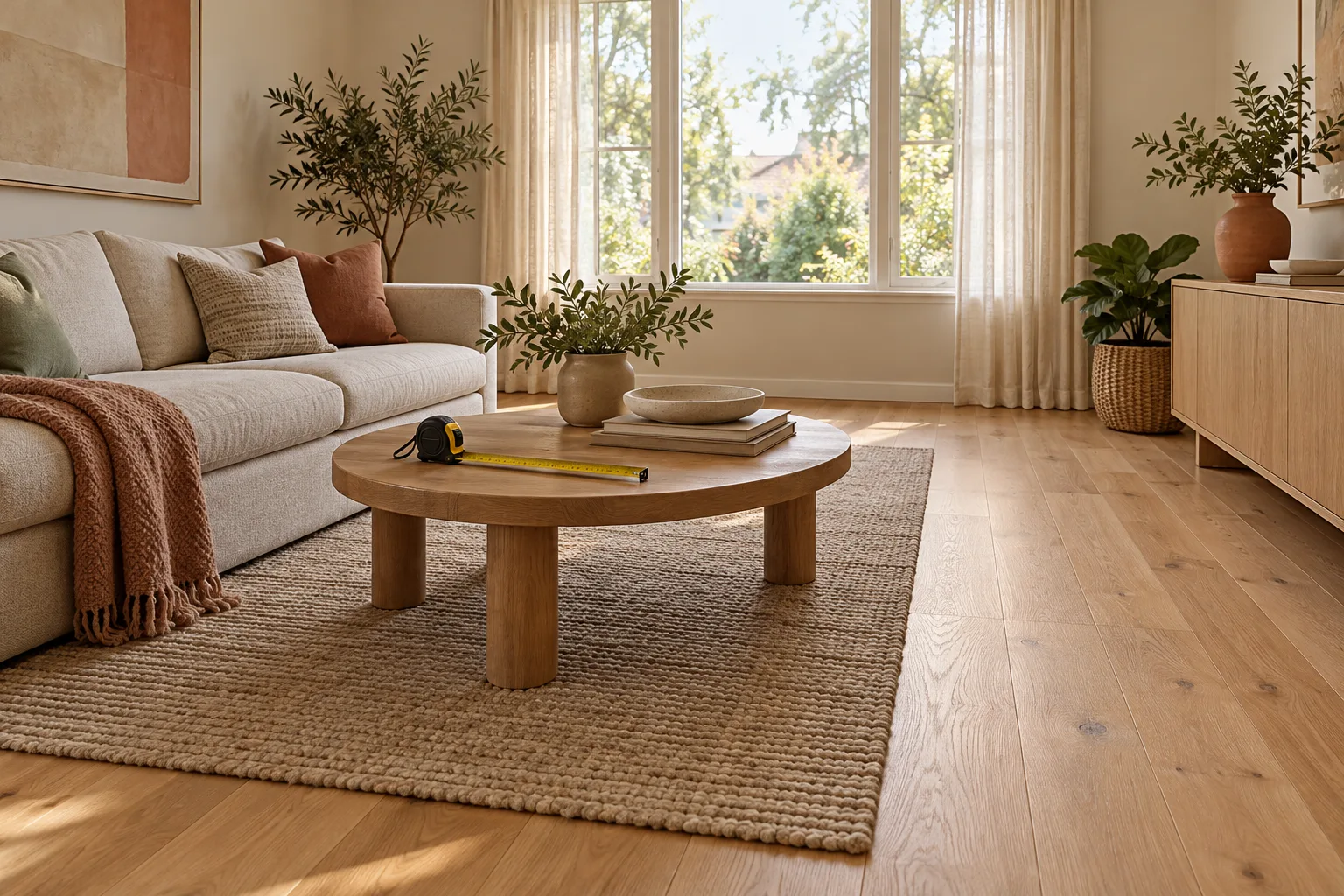
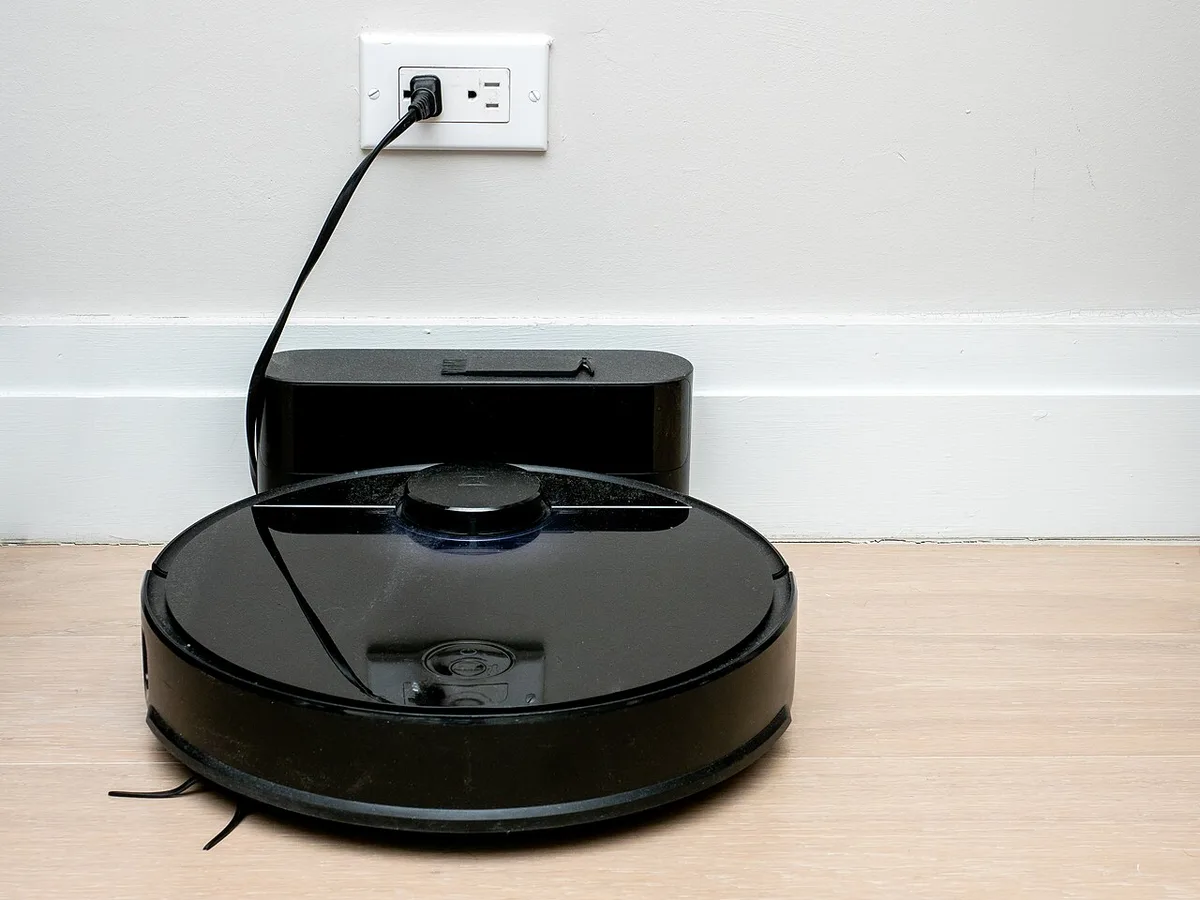
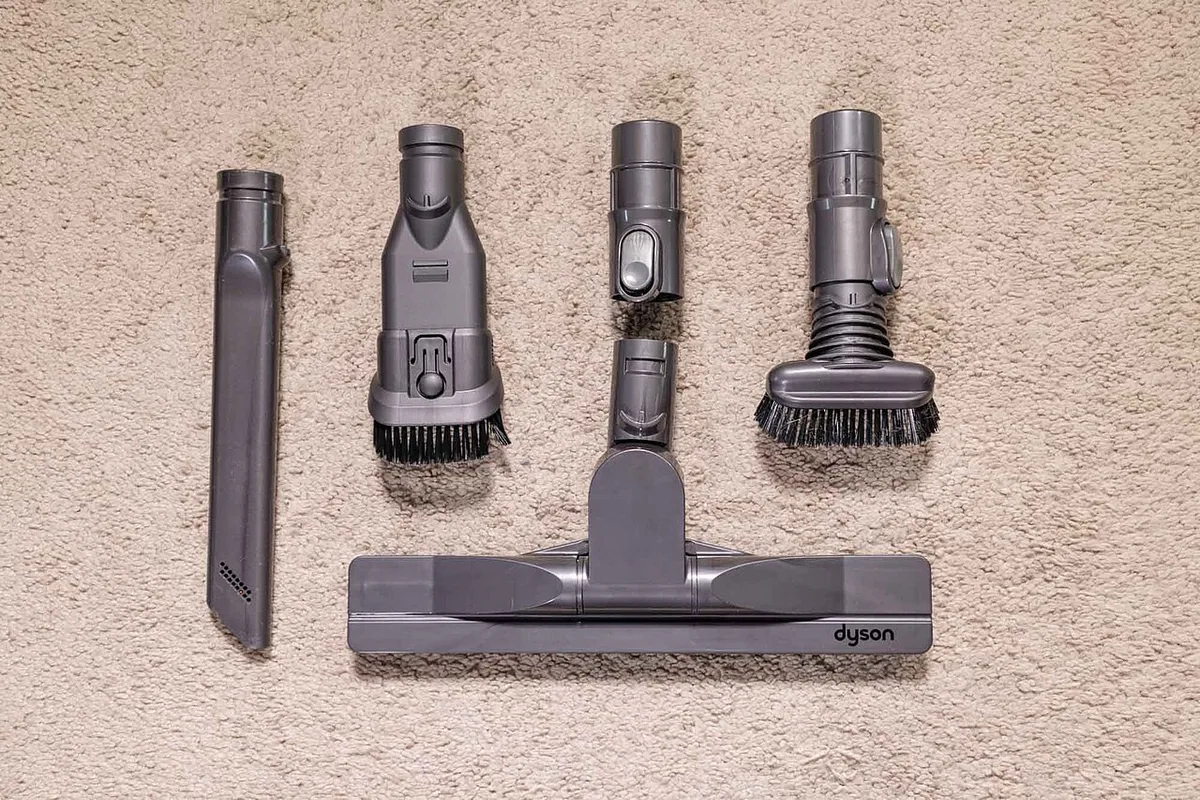
Share the sketch, net-area definition and unresolved access questions together. A supplier can then understand whether your figure excludes large furniture, omits a room or combines separate zones. Recalculate when the intended cleaning area changes, and retain the earlier assumptions if you are comparing proposals over time. The generated illustration is conceptual, while the real photos show floor and equipment context rather than measured coverage. A useful estimate is transparent about its limits. It helps describe the job without pretending to demonstrate how an untested appliance will perform.
Dyson AU — Robot vacuum selection questions ? Quick-Step Australia — Laminate cleaning ?