Make a floor inventory that a supplier can use
Build a small floor record that connects rooms, product identities and maintenance documents before choosing cleaning equipment.
Updated:
Give every surface a place in the record
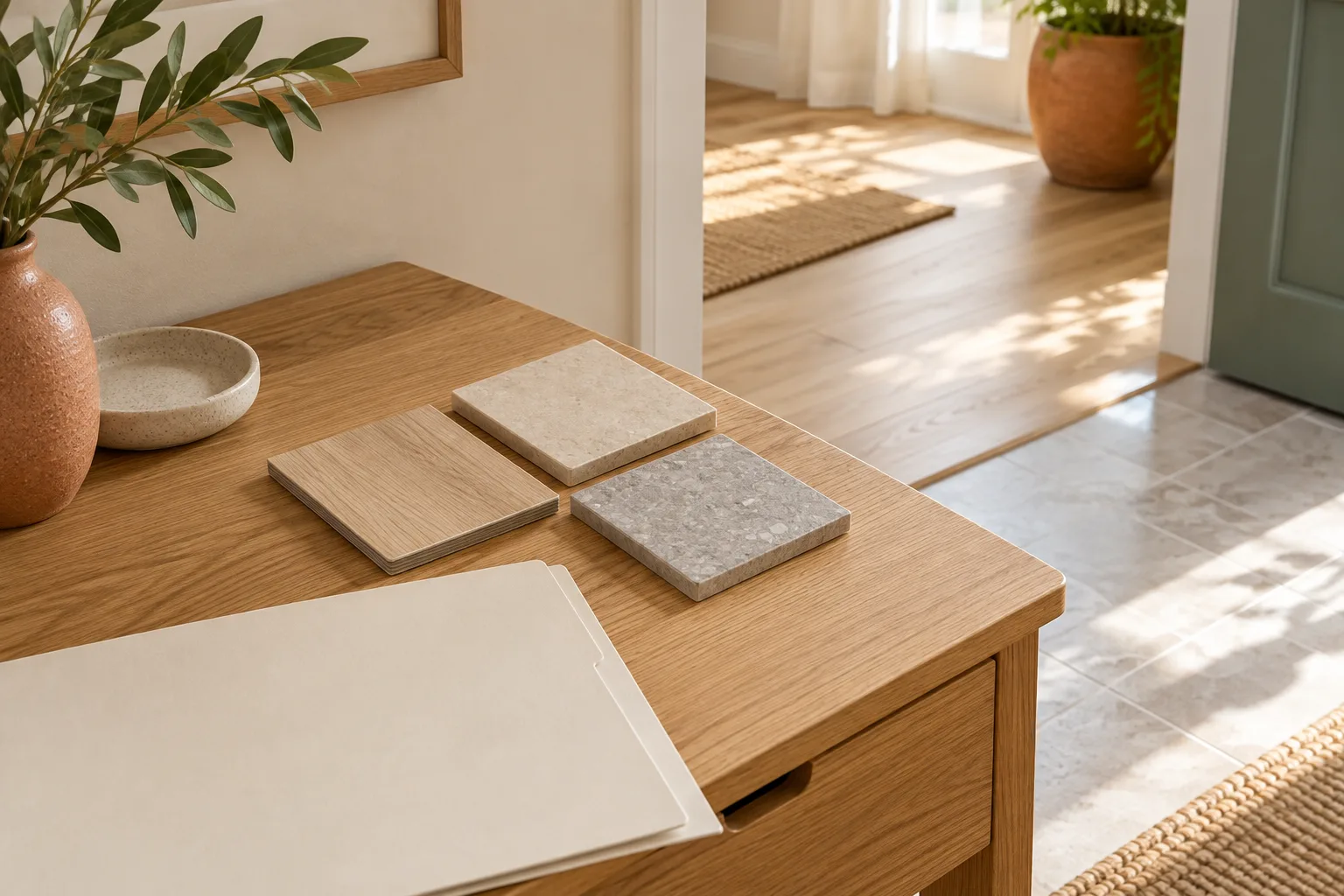
A floor inventory is a short description of what is installed where. Start with room names and divide a room when it contains more than one surface. Include rugs as separate items rather than hiding them inside the underlying floor description. The aim is not to produce a professional building survey. It is to make a supplier conversation specific enough to be useful. A person answering a cleaning question needs more context than a photograph labelled hard floor, especially when several products look similar from a distance.
Find evidence of identity
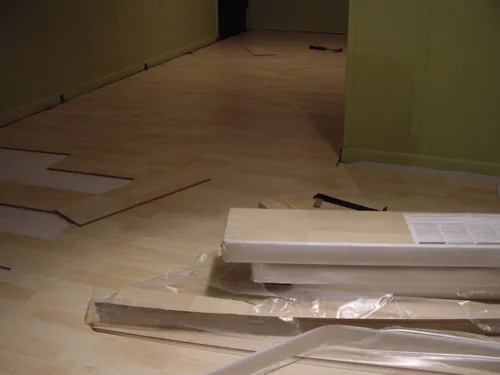
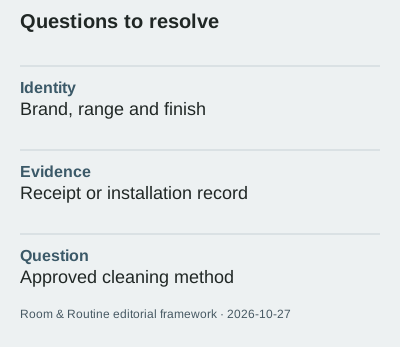
Look for receipts, installation paperwork, leftover packaging or maintenance information supplied with the floor. Record what each document actually establishes and leave uncertain details blank. The real photograph of a laminate flooring project shows why boards and packaging can be useful context, but it does not identify your own floor. Do not infer a range solely from colour or grain. If a record is incomplete, ask the installer or flooring supplier what additional information would help. A clearly stated unknown is more useful than a confident but unsupported product name.
Measure completeness without claiming approval
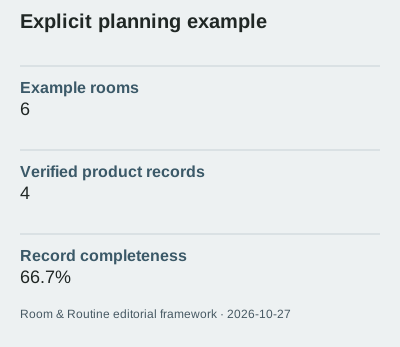
For an explicitly hypothetical six-room record, four verified product entries would represent about 66.7% of the room list. The remaining two need further identification. That figure is not the percentage of floor area approved for a cleaner, and it does not establish that the verified rooms share one cleaning method. A large room and a small room count equally in this simple example. Use the calculation only to track the paperwork task. Keep actual surface-care decisions tied to the relevant manufacturer information rather than to a progress percentage.
Attach the current care document
Quick-Step's Australian cleaning page, reviewed on 2026-10-27, provides access to laminate-care information. Use the document that applies to the actual range and installation rather than treating a general page as complete approval. Premium Floors' range-specific guidance further illustrates why product identity matters. Save the title, source address and date checked beside the floor entry. If a supplier gives additional advice, preserve the written response with its scope. A care document for a visually similar product should not silently replace the missing instructions for your own floor.
Connect the inventory to shopping questions
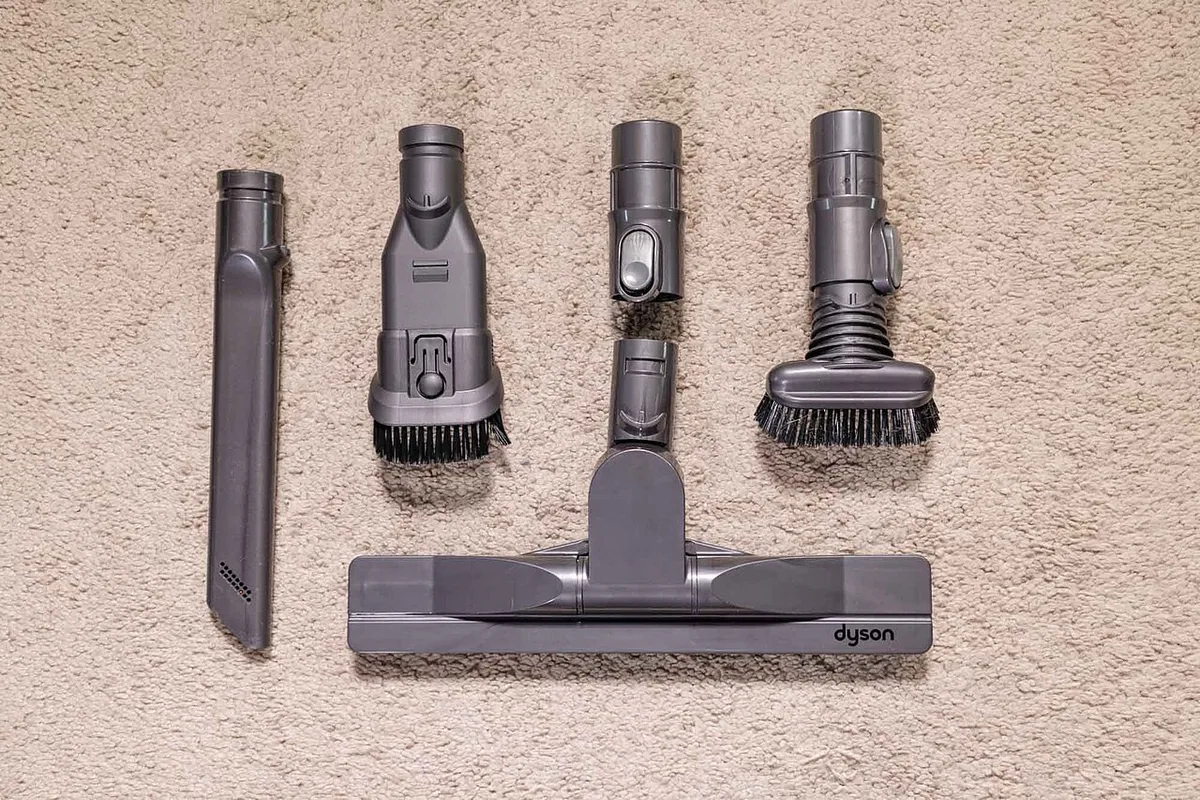
When comparing a vacuum, robot or steam cleaner, send the relevant surface entries with the enquiry. Ask for the exact model and attachment information needed to assess the proposed combination. Keep quoted extras separate from unresolved compatibility. A fictional AUD $45 floorhead is a cost assumption until its approved use is established; the price itself provides no evidence about suitability. This prevents a sales bundle from becoming the basis for identifying what the floor can tolerate. It also gives different suppliers the same facts to work from.
Maintain a useful small record
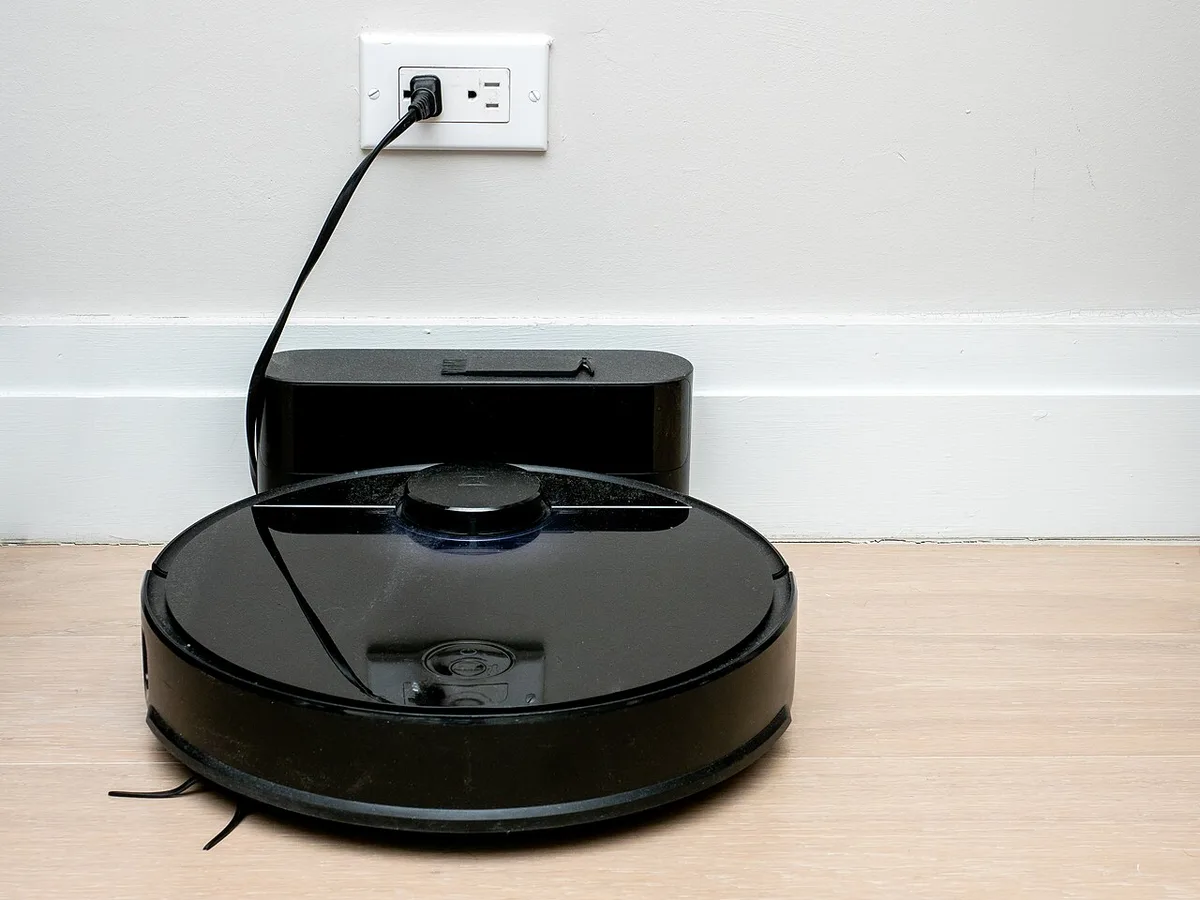
Update the inventory when a floor, rug or finish changes and keep older entries clearly separated from the current setup. You do not need an elaborate system: a room list with linked documents and dated answers can be enough. Avoid storing unnecessary personal information in a sheet you intend to share with suppliers. The generated lead image is a generic concept and the real photographs provide context, not a surface assessment. A reliable floor inventory can support several future purchases because it preserves the evidence behind the questions instead of repeating the same guess each time.
Premium Floors Australia — Laminate maintenance ? Quick-Step Australia — Laminate cleaning ?