Keep rugs and mixed floors visible in the cleaning brief
Keep rugs, hard surfaces and transitions separate in the cleaning brief so each task has an identifiable source of care guidance.
Updated:
Do not let the rug disappear into the room label
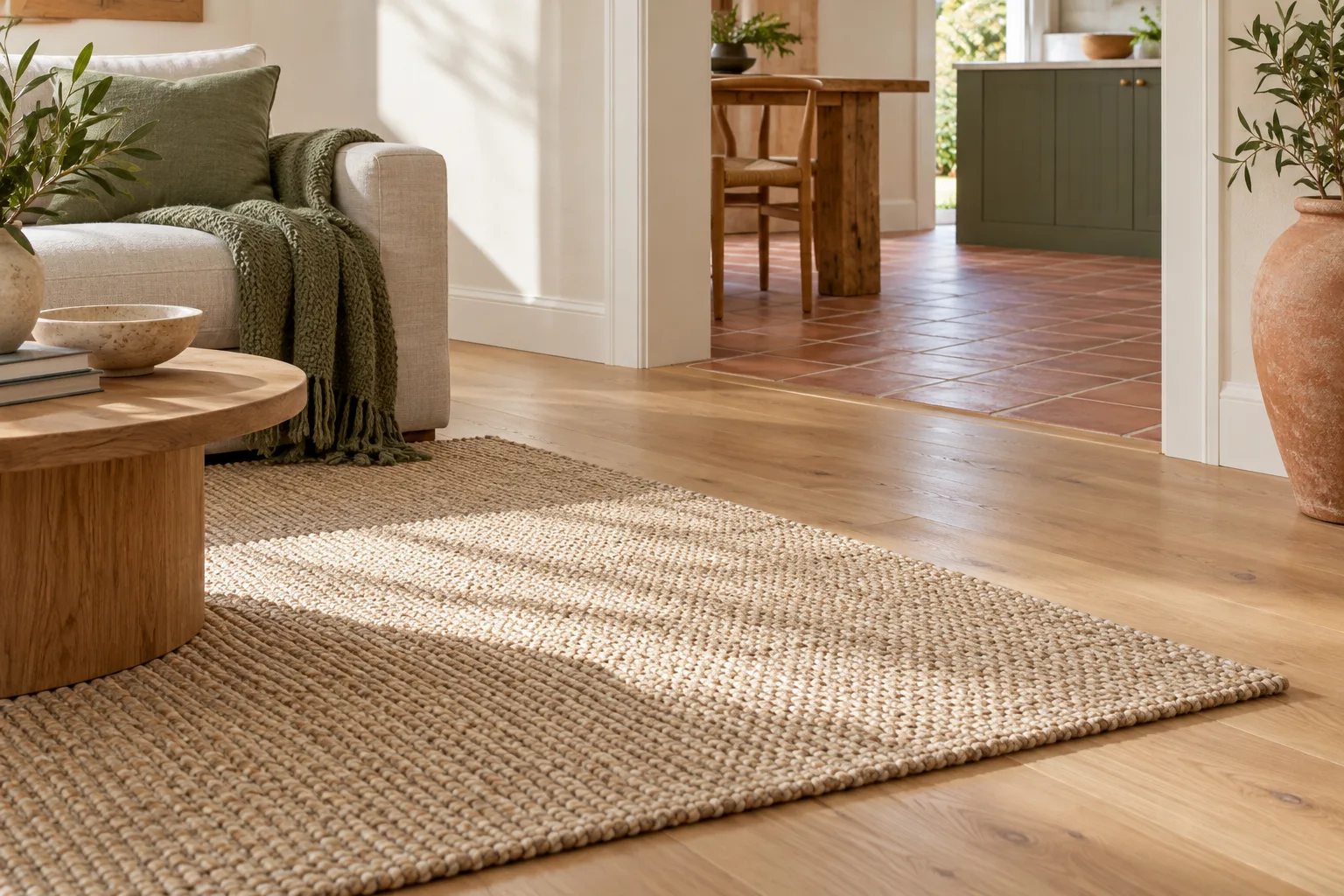
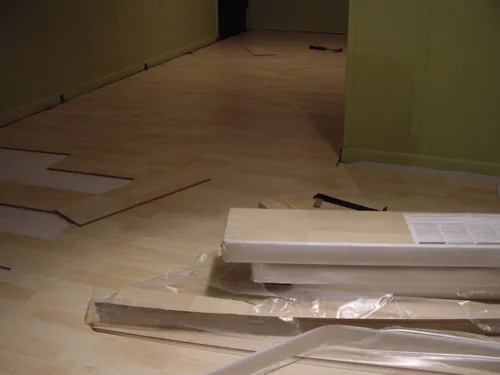
A room described as having a hard floor may still contain rugs, mats and changes in surface. Include those items explicitly when choosing cleaning equipment. The appliance may face different tasks within a short distance, and the care information for one surface does not automatically apply to another. Start with a sketch that identifies the underlying floor and each removable covering. This is a description of the intended job, not a declaration that a particular machine can clean every item shown. Keep uncertainty visible from the beginning.
Describe area without implying compatibility
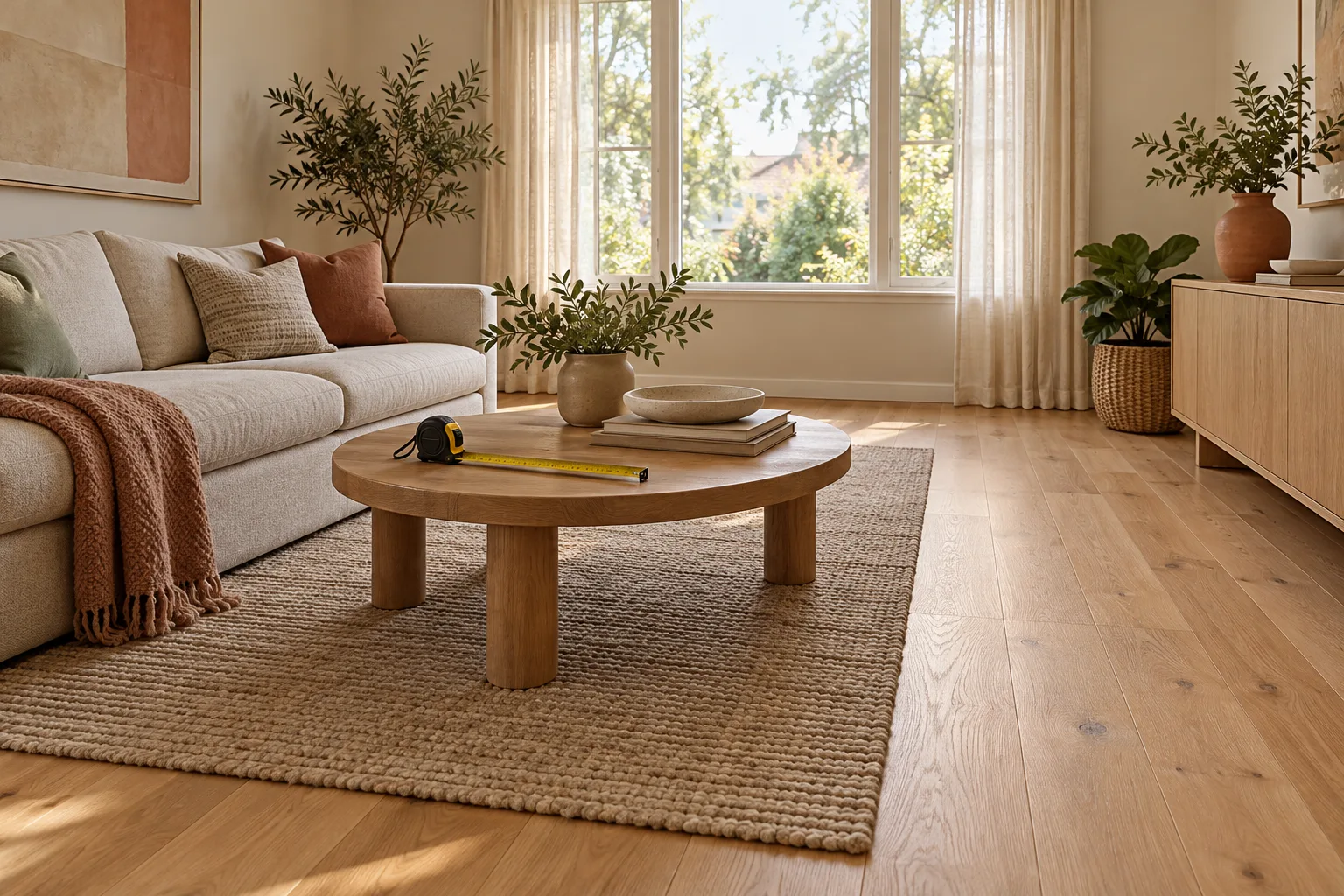
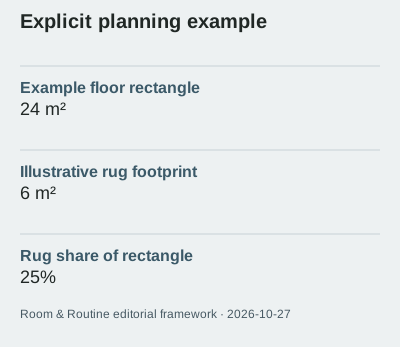
For an explicitly hypothetical 24-square-metre rectangle with a six-square-metre rug footprint, the rug occupies 25% of the drawn area. That percentage says nothing about the rug's material, care method or the robot's ability to cross its edge. It also does not mean the remaining floor is approved for a wet or steam process. Use the number only to explain the layout. If the rug moves regularly, note the normal arrangements rather than presenting one convenient photograph as a permanent description of the room.
Find the separate care records
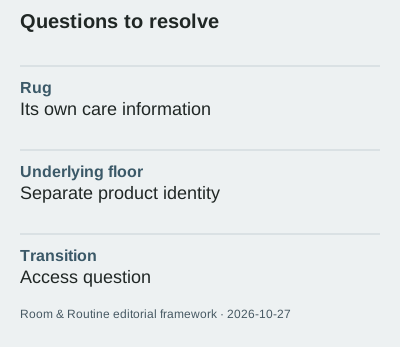
Keep the rug's supplied care information beside the floor manufacturer's documentation. If either is missing, ask the relevant supplier what can be established from the available product details. Premium Floors' Australian laminate guidance, checked on 2026-10-27, demonstrates that range-specific restrictions can matter. It should not be transferred to a rug or an unrelated floor. Avoid classifying a surface solely by its appearance in a photograph. A useful comparison depends on identifying the materials and products well enough to ask the right manufacturer a precise question.
Match the appliance task to the surface
BISSELL's Australian FAQ distinguishes different cleaning-machine purposes and model-specific uses. Use the proposed model's manual to identify what it is designed to do, then compare that with the relevant surface-care information. Do not assume that a carpet washer, steam cleaner and dry vacuum are interchangeable on a rug. This article does not provide a cleaning procedure or claim that any method is safe for a particular item. If the intended combination is not clearly addressed, ask the suppliers rather than borrowing instructions from a visually similar product.
Include transitions and attachments in the enquiry
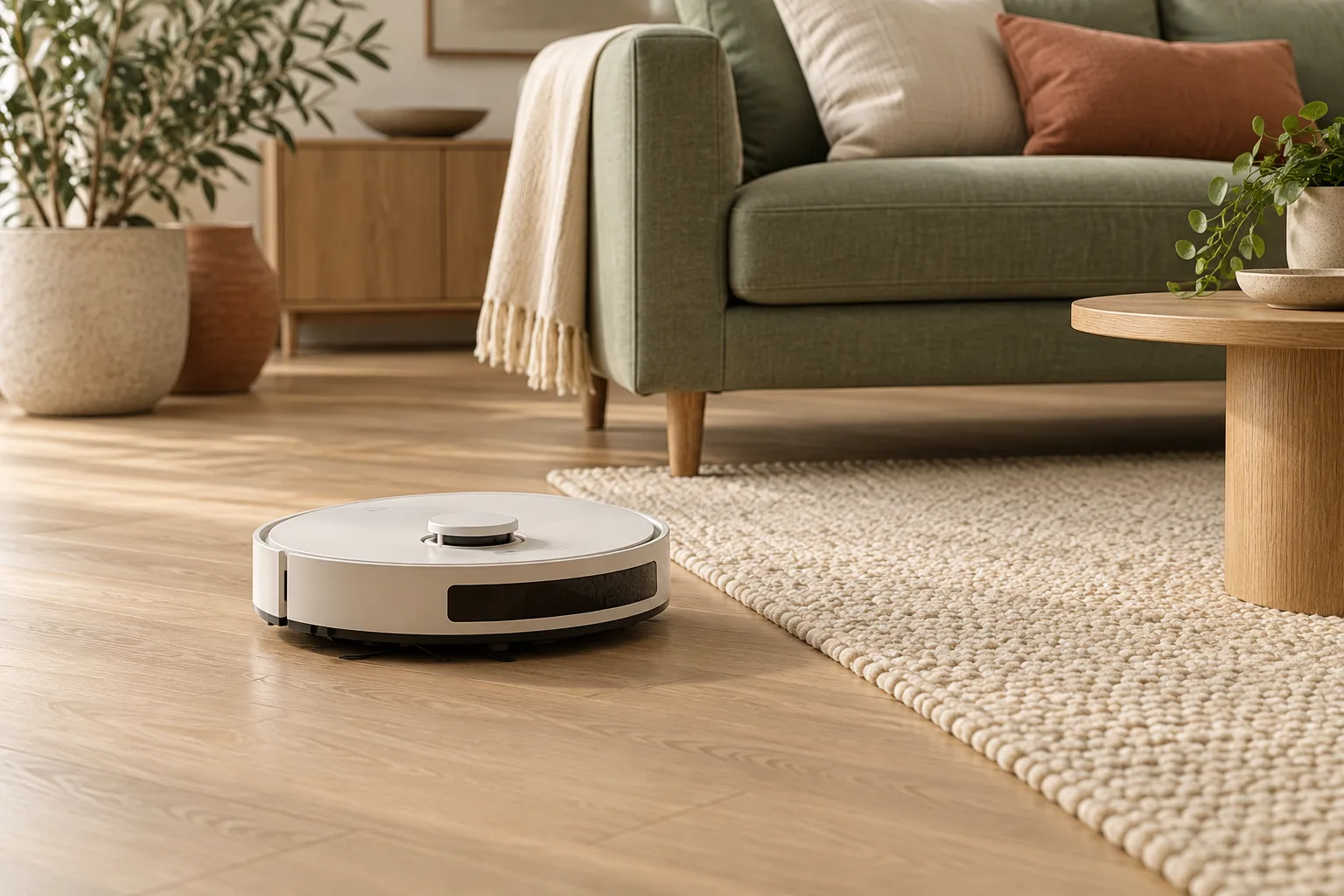
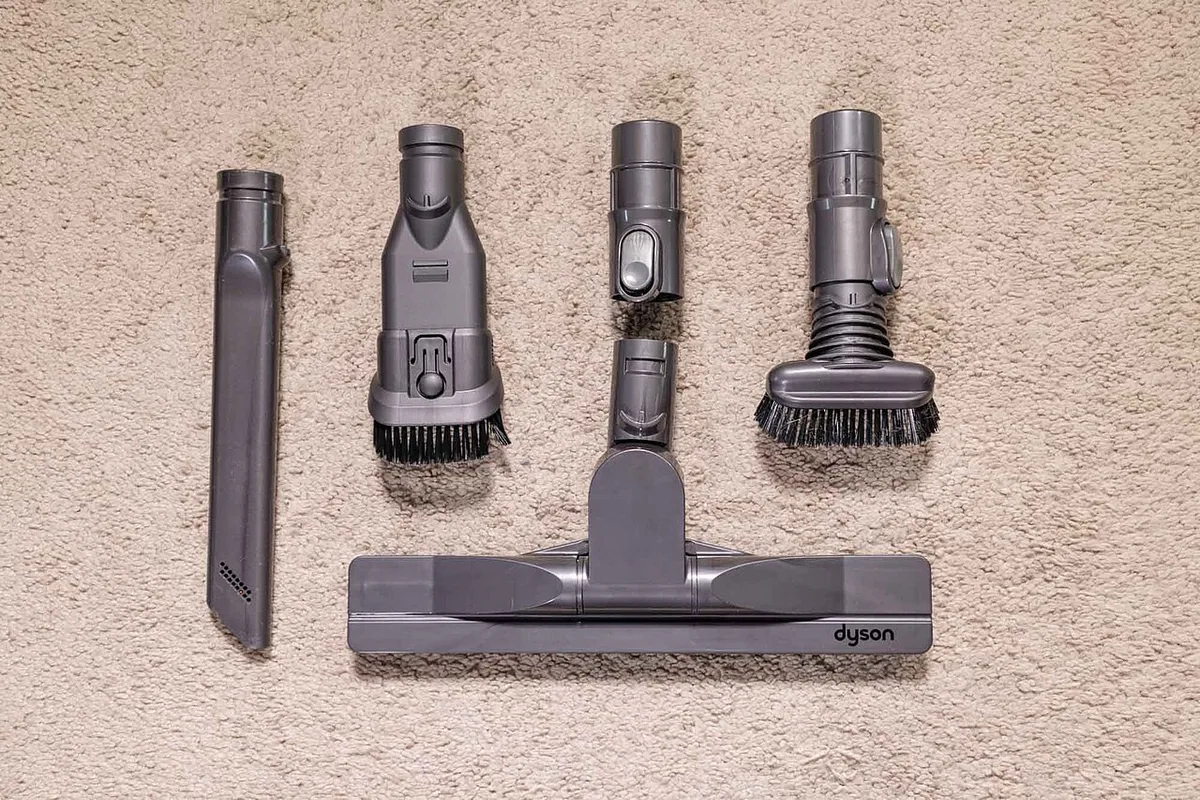
For a robot, describe the rug edges and other transitions as access questions. For a manually handled vacuum, identify the head and configuration you expect to use. A fictional AUD $55 attachment quote belongs on the cost sheet only after compatibility and intended use have been clarified. It is not evidence that the attachment solves a mixed-floor problem. Keep any proposal to change the room arrangement separate from the current layout so the comparison does not quietly depend on moving a rug that the household wants to keep in place.
Make the final brief easy to answer
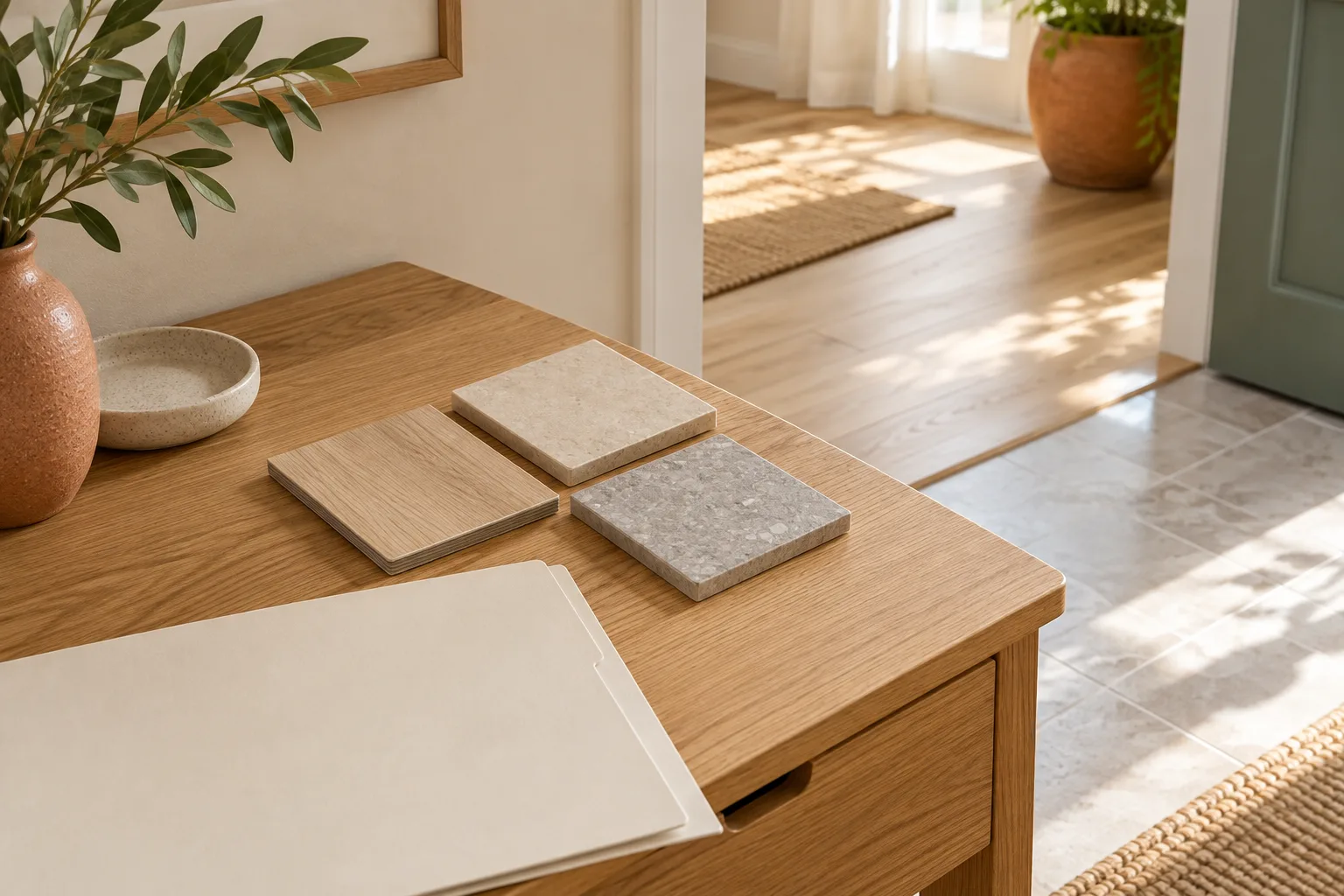
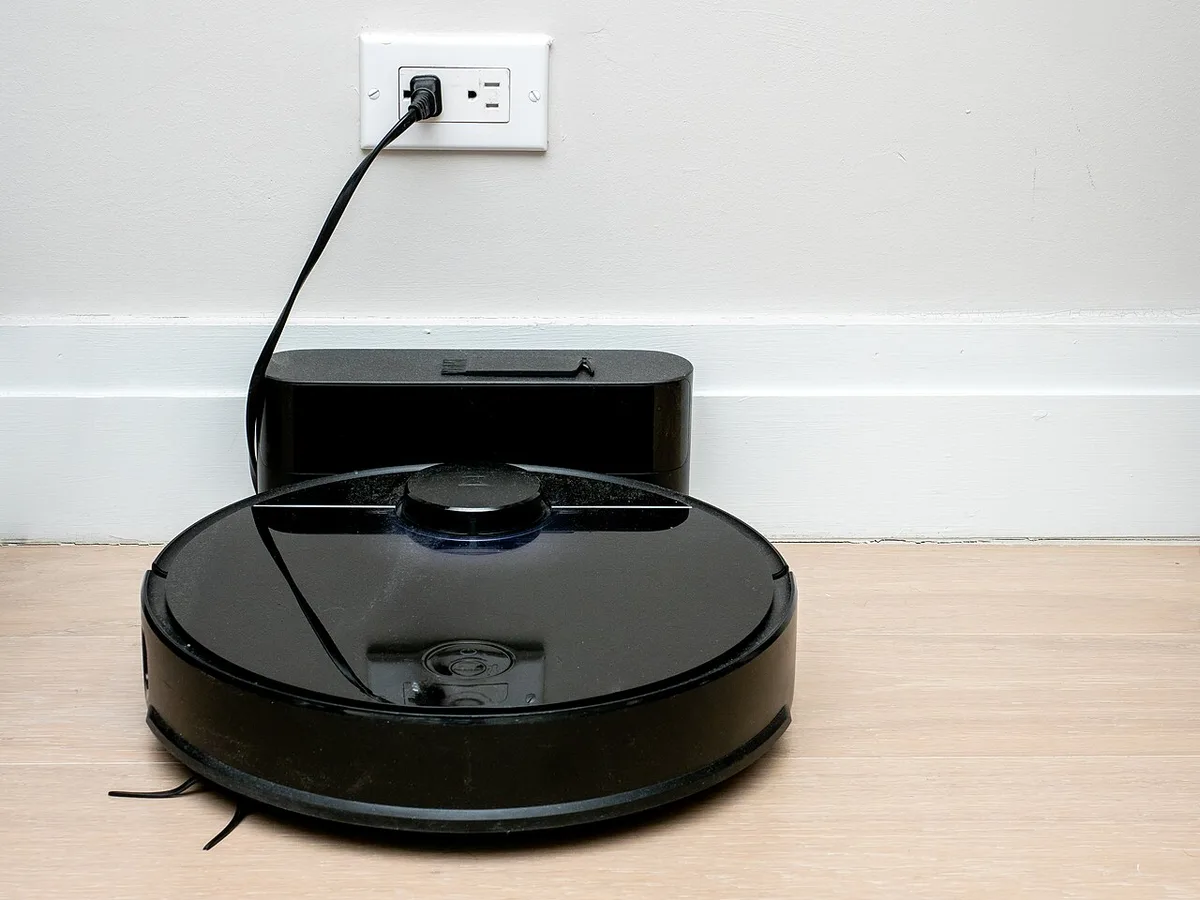
Provide a room sketch, product identities where known, care-document links and a concise list of unresolved questions. Ask suppliers to state which exact model and attachment their reply concerns. The photographs in this guide illustrate equipment shapes and flooring context; they are not trials on the surfaces in your home. The generated lead image is a generic concept. A good mixed-floor brief can reveal where one cleaner fits and where a separate documented routine remains necessary, without turning an attractive all-in-one description into an unsupported promise.
BISSELL Australia — Product FAQs ? Premium Floors Australia — Laminate maintenance ?