Compare the complete cleaning-appliance purchase
Compare the appliance, included supplies, extras and delivery on the same written scope before deciding what a price difference means.
Updated:
Define the purchase you are comparing
A headline appliance price is not necessarily the price of the complete arrangement you intend to buy. Start with the exact model and package identifier, then list what the seller says is included. Keep required compatible extras, optional items and delivery on separate lines. Do not assume two listings with similar names contain the same heads or supplies. The aim is to compare a written scope that another person can understand, rather than choosing a winner from a pair of large numbers on a promotional page.
Work through an explicit example
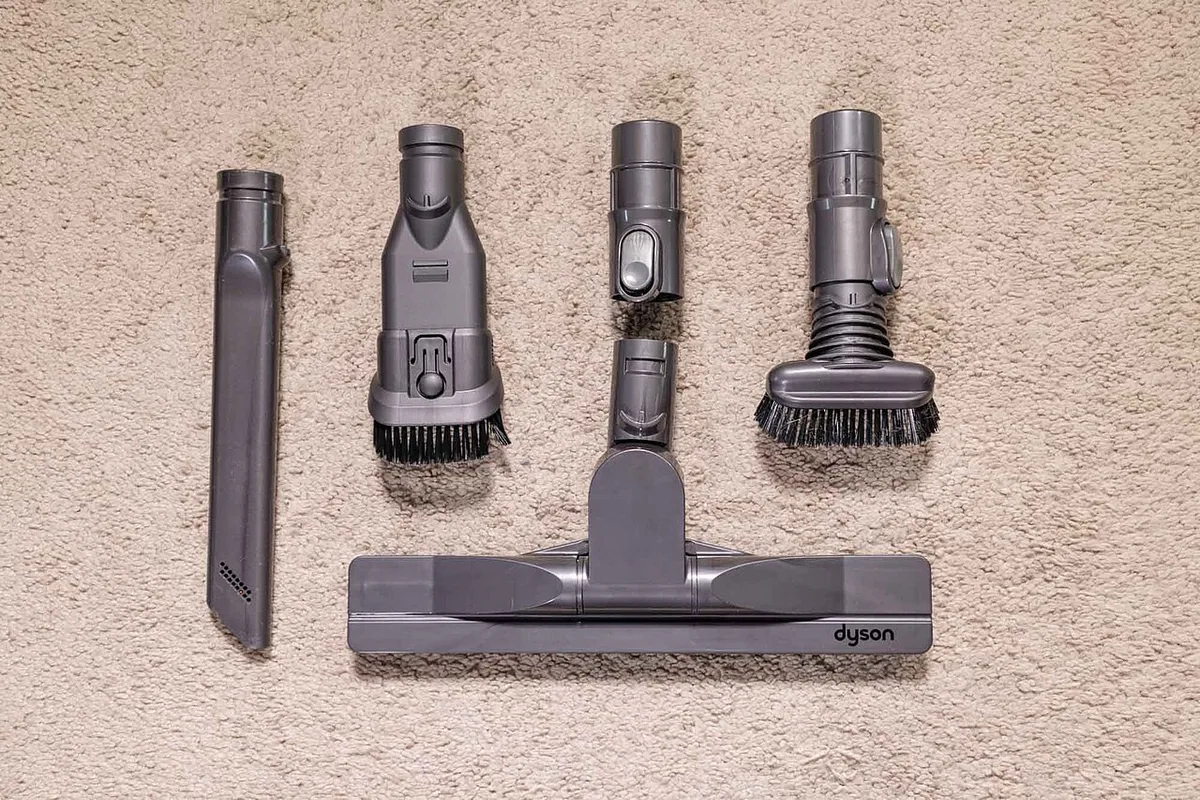
For a fictional purchase scenario, an appliance at AUD $400, compatible extras at AUD $60 and delivery at AUD $20 total AUD $480. The extras and delivery add 20% to the fictional appliance-only amount. These figures are invented to demonstrate arithmetic; they are not current Australian prices, a quotation or a recommendation to buy any item. Replace them with dated seller information and verify the package contents before making a real comparison. Keep the model identifier next to each price so an apparently cheaper listing does not quietly refer to another configuration.
Check why each extra is present
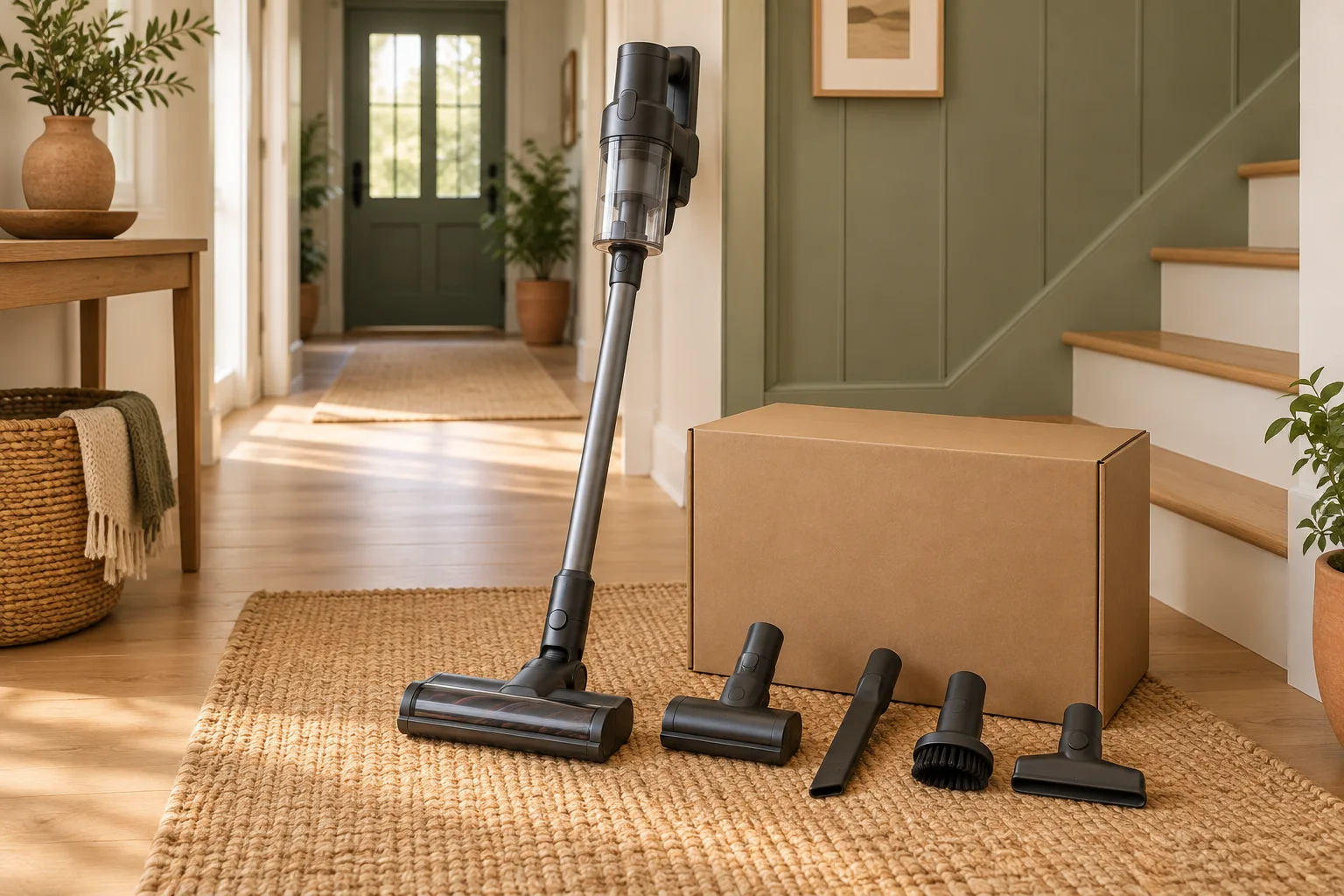
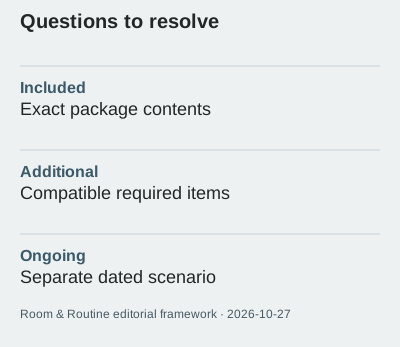
An additional item should have a reason grounded in the intended task and the manufacturer's compatibility information. A retailer's related-products panel does not establish that the item is necessary. Ask whether a head, pad or supply is already included and whether the proposed extra is approved for the exact model. Keep floor-care compatibility as a separate question. Buying a more complete package does not resolve an unidentified surface or an undocumented cleaning method. The attachment photograph here illustrates variation in tool shapes, not a shopping list for your machine.
Separate upfront and recurring assumptions
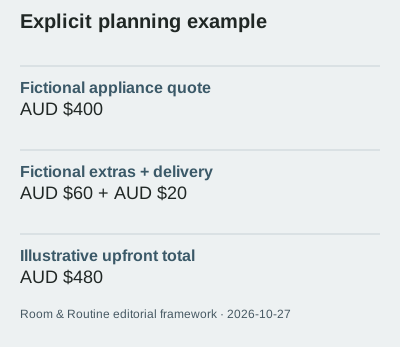
Put ongoing supplies in a different scenario from the initial purchase. Record the unit quote, pack quantity and the basis for your assumed annual use. Do not present a speculative replacement count as a manufacturer recommendation. BISSELL's Australian FAQ, checked on 2026-10-27, covers multiple product types and support topics, so the relevant model documentation still needs to be consulted. A complete upfront quote and an honest supply scenario answer different questions. Combining them into an unexplained lifetime figure can make an uncertain comparison appear more authoritative than it is.
Read the seller's current terms
Verify delivery conditions, the advertised package and the support information that applies to the actual seller and product. A general brand page may not describe every retailer's offer. Keep a dated record of any important written response. This guide does not state a current delivery charge, availability promise or universal warranty duration. Those details can change and should be checked where the purchase will occur. If a term is unclear, ask for clarification before using it as an advantage in the comparison rather than assuming a favourable interpretation.
Use the difference carefully
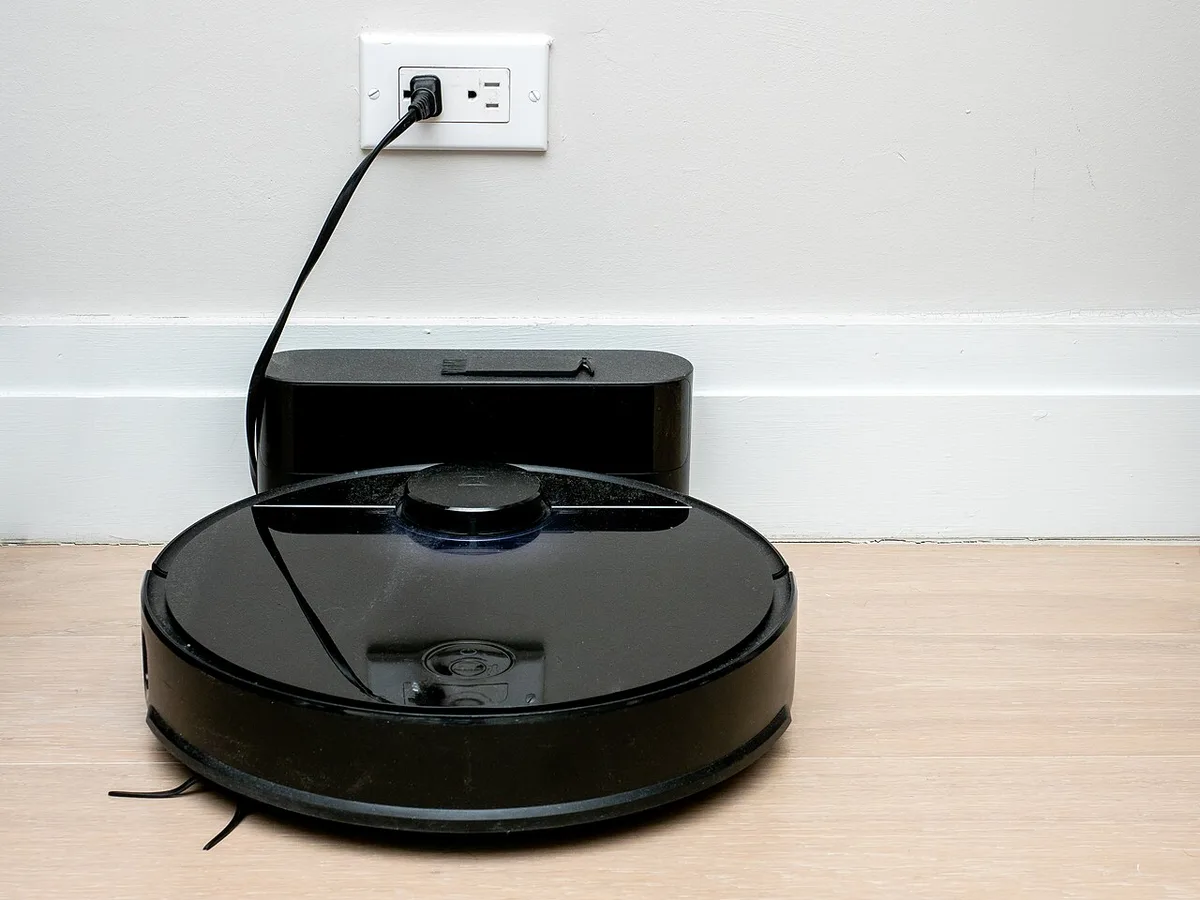
Once the scope matches, explain what the remaining price difference represents and what remains unknown. A lower purchase total is not evidence of equal cleaning performance, reliability or long-term value. Room & Routine has not tested the products in this hypothetical comparison. The generated image is conceptual and the real photographs provide equipment context only. Keep the final sheet concise enough to update when a quote changes. A transparent total helps you decide what you are paying for without allowing the arithmetic to settle questions that require product-specific evidence.