Keep model, seller and support terms together
Keep exact model details, seller information and the current support documents together without assuming one warranty statement applies to every package.
Updated:
Create the record before you need it
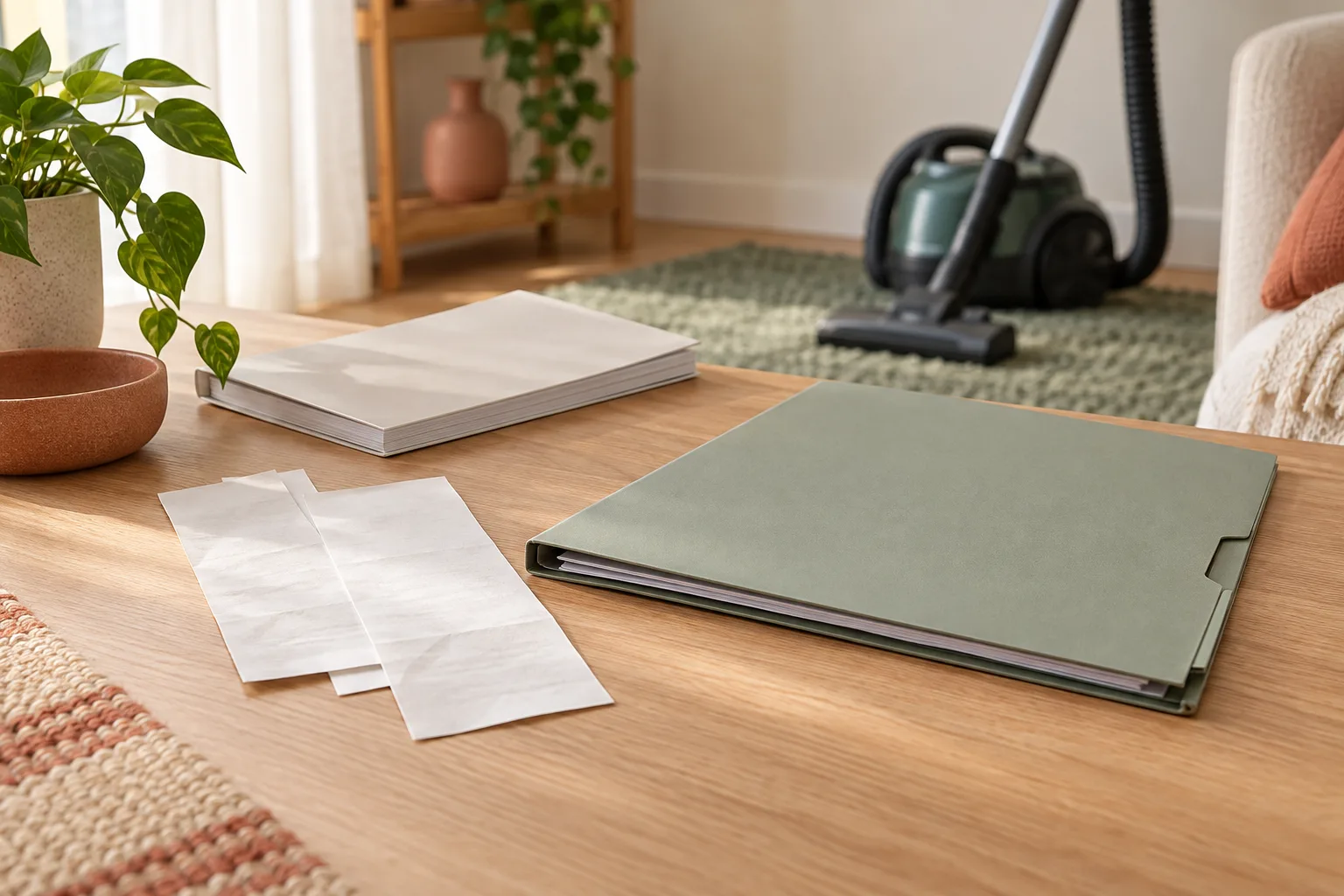
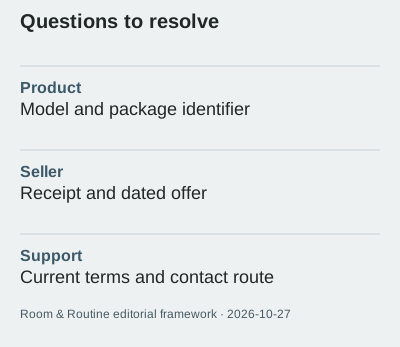
A cleaning-appliance purchase is easier to trace when the product, seller and support information are stored together. Begin with the exact model and package identifier, then save the dated offer and receipt when purchased. Keep the included accessories list as part of that record. This guide concerns organisation and questions to ask; it does not interpret your legal rights or decide whether a particular fault would be covered. Those decisions depend on the applicable terms and circumstances, which should not be guessed from a broad product-category label.
Find the terms for the actual product
BISSELL's Australian FAQ, reviewed on 2026-10-27, indicates that warranty information varies across products. Do not transfer a duration from one machine to another or assume a refurbished item has the same advertised terms as a new one. Locate the current information for the exact product and seller. Record the source and date checked, and ask for clarification when a listing and support page seem inconsistent. A general FAQ can guide you towards the relevant document, but it is not a substitute for reading the terms that apply to the purchase.
Keep the package details connected
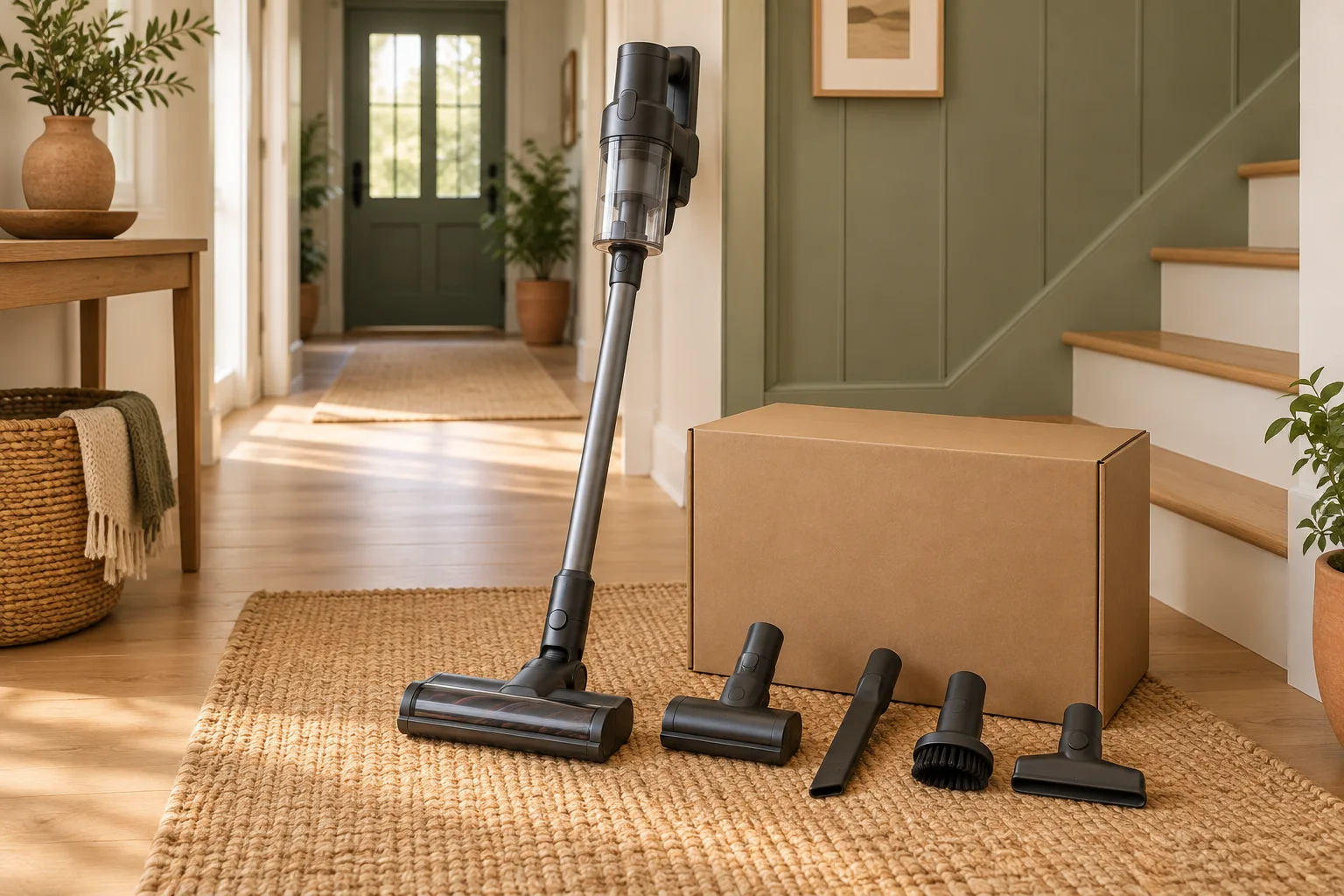
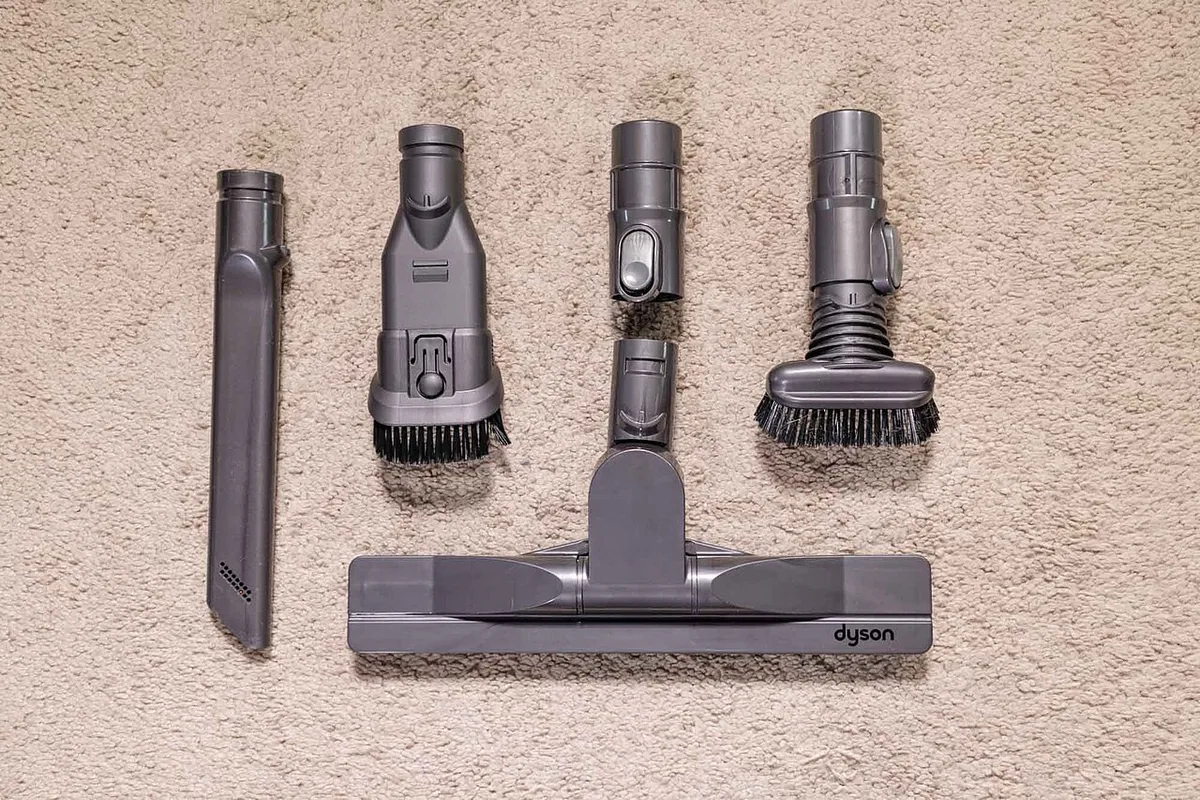
Accessories and supplies can create ambiguity if their identifiers are not saved with the machine. Note which items came in the package and which were purchased separately, along with their sellers and receipts. Do not assume an aftermarket item is approved because it fits visually. The real attachment photograph demonstrates varied forms but does not establish coverage or compatibility. If a seller makes a written statement about an included item, preserve it in context rather than keeping only a cropped phrase that loses the model, date or conditions.
Use completeness as an administrative check
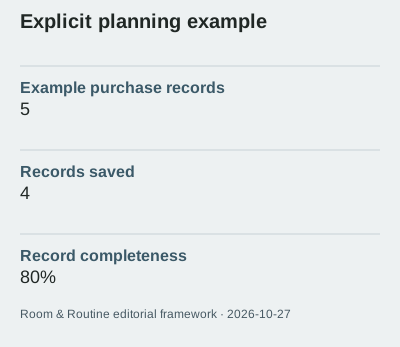
For an explicitly hypothetical list of five purchase records, saving four represents 80% record completeness. That percentage is not a measure of warranty protection and does not establish an entitlement. It simply identifies one document still to find. A missing receipt or unclear model name should remain visible on the checklist rather than being replaced by an assumption. Keep personal details secure when sharing records with support, and provide only what the relevant channel requests. The useful goal is a traceable product history, not an impressive-looking score.
Keep cost examples separate from promises
A fictional AUD $25 delivery charge or an AUD $45 accessory belongs in the purchase record as an illustrative amount only until replaced by a real quote. Neither number tells you who would pay a future service or return cost. Ask the seller or manufacturer about the current process instead of inferring it from the original delivery price. This article makes no universal claim about repair charges, return arrangements or warranty duration. Save the actual response with its date and product scope so a later enquiry begins with the same information.

Prepare a clear support enquiry
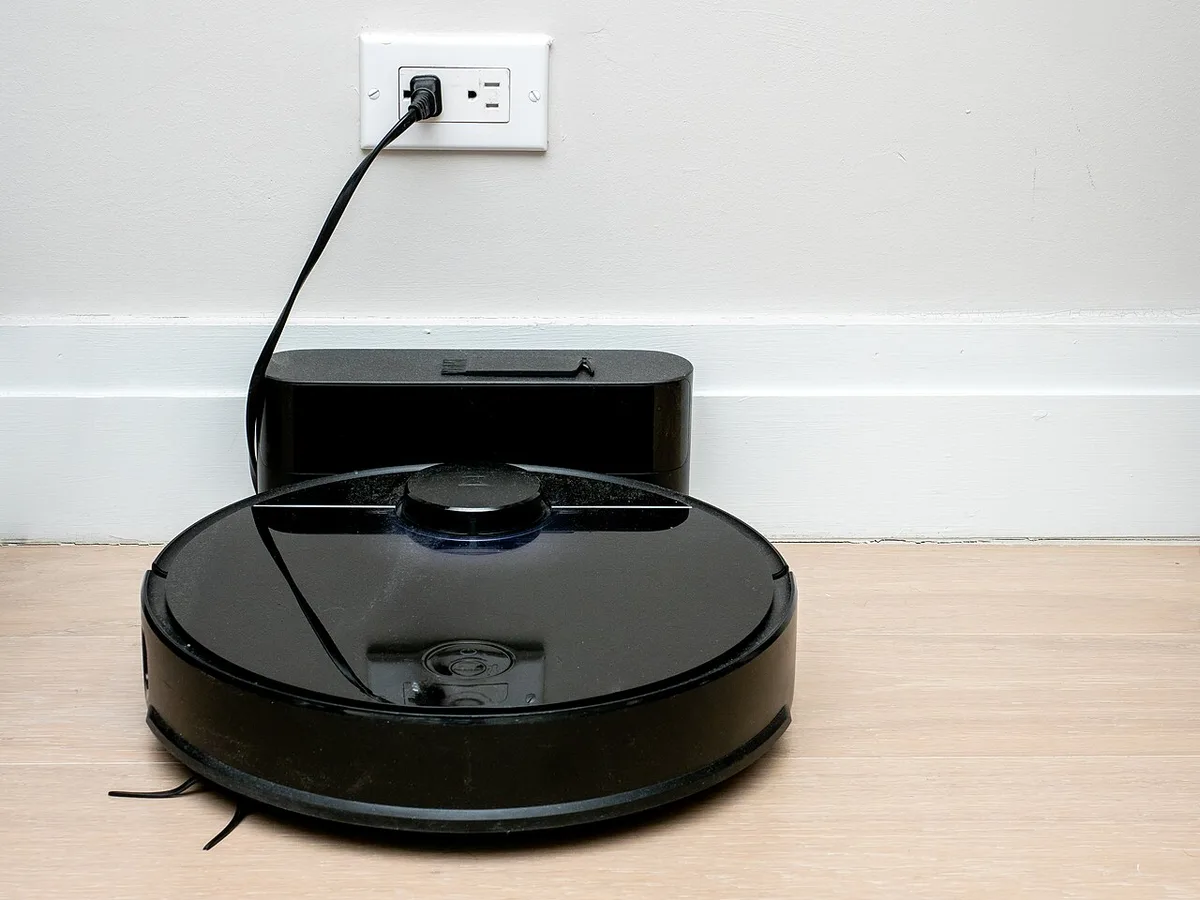
If you need help, identify the model, describe the issue without exaggeration and refer to the official support route. Keep any requested observations within the manufacturer's instructions; do not attempt undocumented repair work to produce evidence. Record the correspondence and next steps. The generated image is a generic concept, and the real photographs are contextual rather than examples of a claim. A well-organised record does not guarantee an outcome, but it can reduce avoidable confusion about what was purchased, what information was supplied and which product the conversation concerns.