Ask how a robot cleaning app fits your household
Build a practical app-question sheet around household access, supported functions and the evidence available for the exact model.
Updated:
Start with the people using it
An app can become part of the cleaner's everyday routine, so the first question is who will use it. Write down whether one person will manage the machine or several household members need to interact with it. Include the tasks you expect to perform, such as changing a schedule or understanding a message, without assuming every model supports those actions in the same way. A clear household brief is more useful than a long feature list. It lets you ask whether the proposed system fits the people who will actually live with it.
Distinguish tasks from feature names
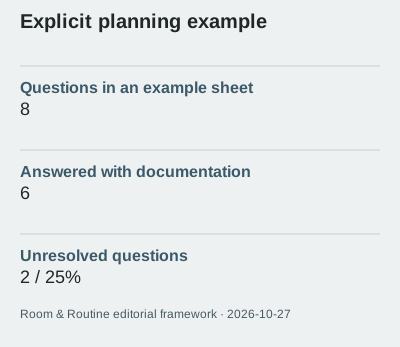
Make a two-column sheet with a desired task on one side and the documented way to do it on the other. Leave unsupported answers blank. In an explicitly hypothetical example, six documented answers from eight questions would leave two unresolved, or 25% of the list. This is a record-completeness measure, not an app quality rating. A single unanswered question about a necessary function could matter more than several convenient extras. Do not average away a requirement that is essential to your household simply because the rest of the page looks complete.
Ask what depends on the app
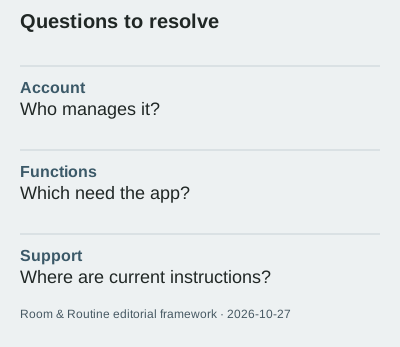
For each important task, ask whether the app is required and what the official instructions say about account, device or connectivity requirements. Obtain the current documentation for the Australian model rather than relying on a screenshot from another region. Dyson's Australian robot feature guide, checked on 2026-10-27, includes app-related selection considerations, but this general manufacturer overview is not evidence of a particular household's compatibility. Ask the supplier to demonstrate the relevant workflow or point to the exact support page. Keep the answer linked to the model and date.
Read the information supplied by the service
If the product uses an account or connected service, locate its actual privacy notice and support information before deciding. This guide does not make claims about what an unexamined app collects, where it stores information or how long any service will remain available. Those are questions for the current product documentation. Record anything you do not understand and seek an explanation from the provider. Avoid treating a promotional feature description as a substitute for the terms or privacy information that applies to the service you would be using.
Make optional costs explicit
Ask whether any function in your brief involves an additional purchase or ongoing charge, and keep the written answer. Do not infer that a charge exists merely because the question is worth asking. For a fictional budgeting illustration only, an optional AUD $24 yearly service would add AUD $72 across three unchanged years; this is not a claim that any featured cleaner charges such a fee. If the supplier confirms no charge for the relevant function, record that specific answer and its date rather than publishing a universal promise about every future feature.
Test the explanation before buying
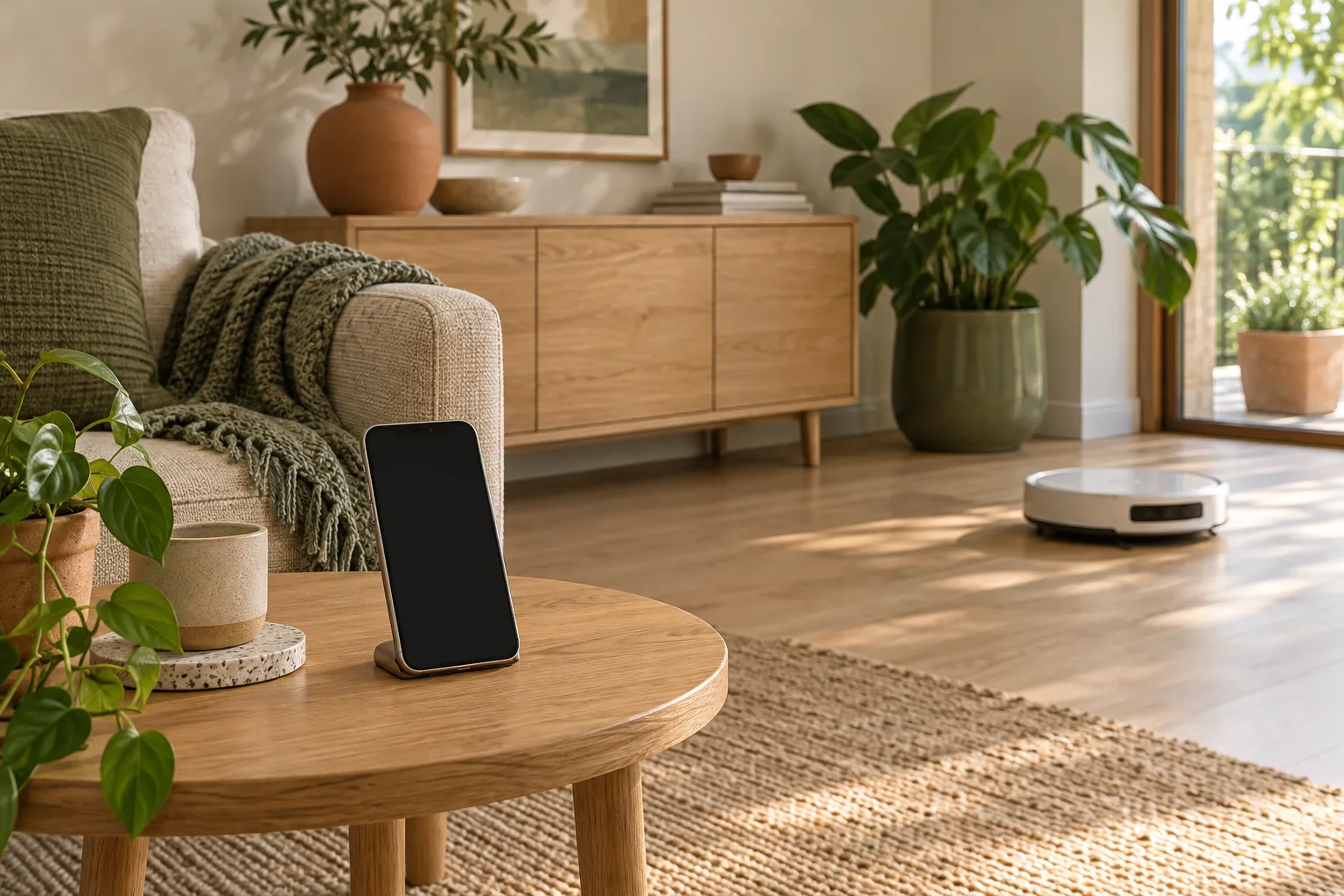
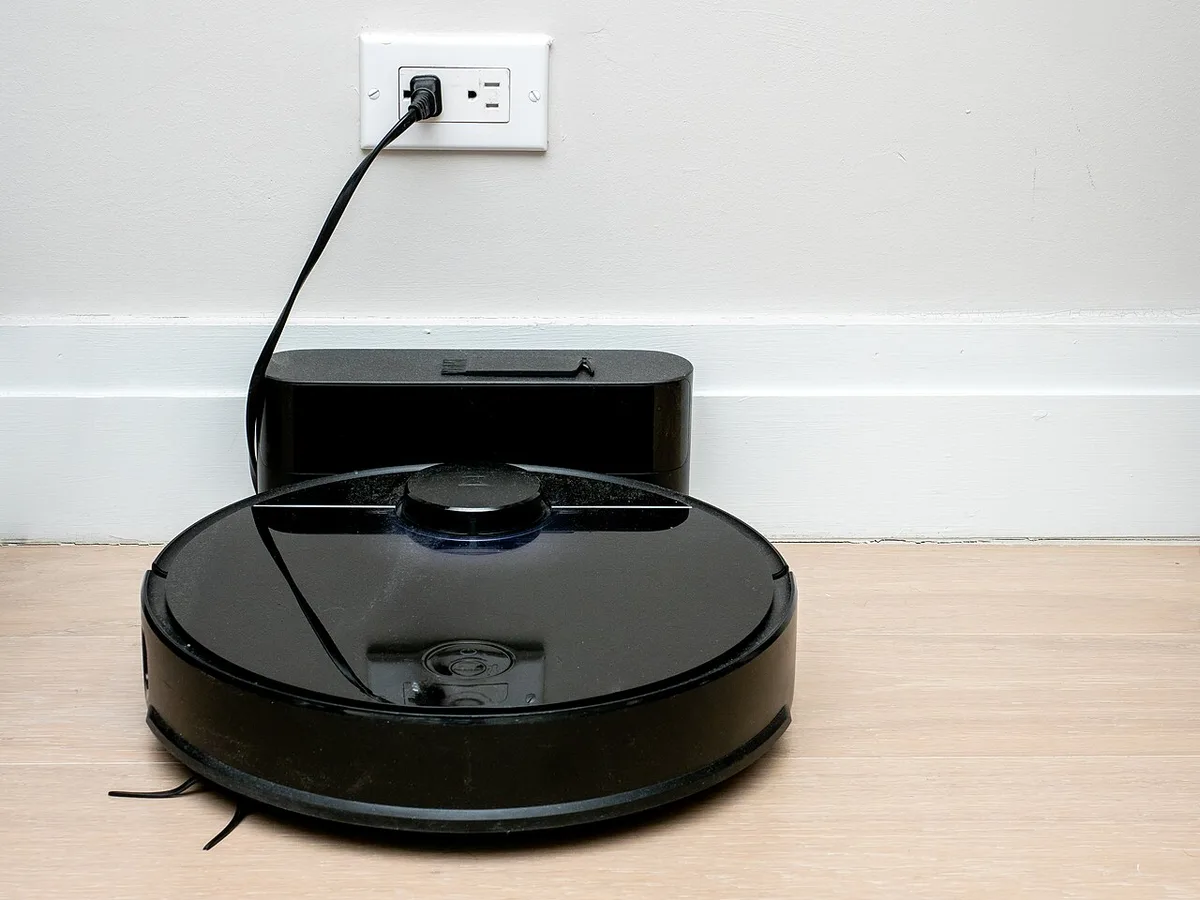
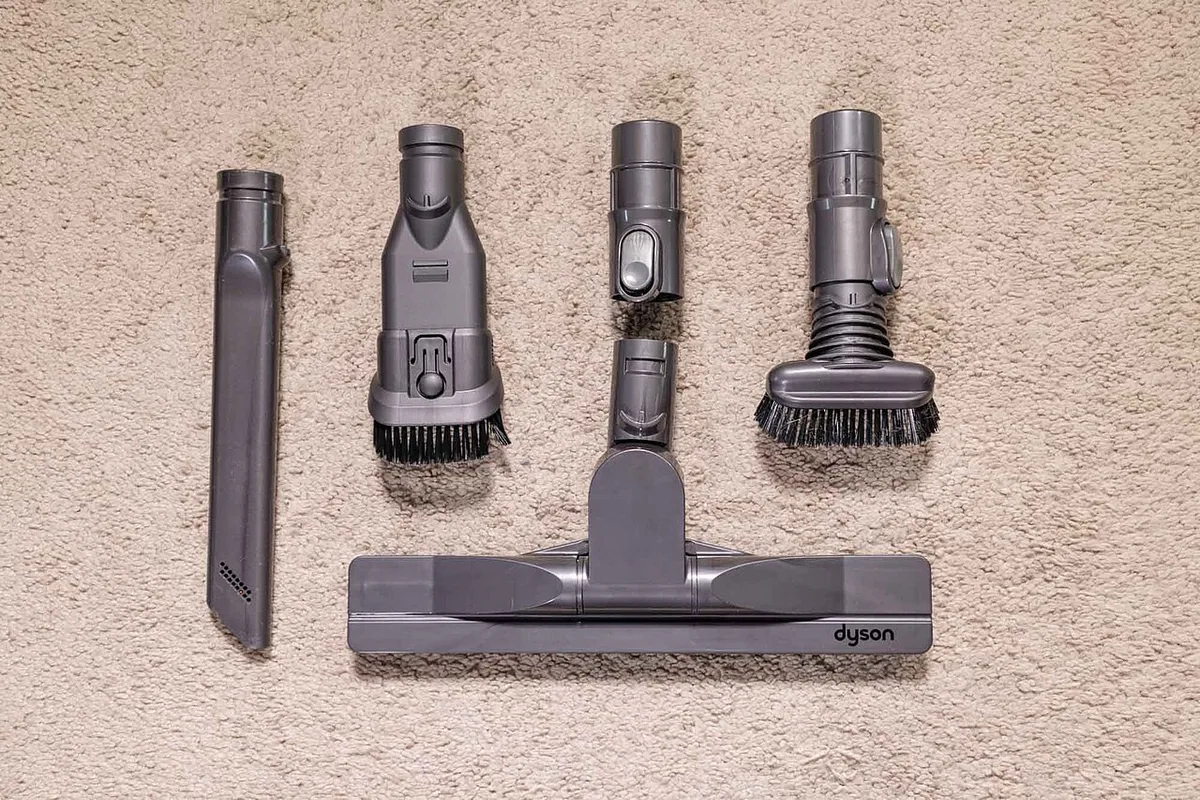
A useful demonstration should allow you to explain the next step in your own words. Ask where to find help, how to identify the model in the support system and which tasks another household member would need to learn. Note any remaining uncertainty instead of assuming it will be easy once the box arrives. The physical-equipment photographs here provide context only; they do not document an app interface or prove a connected function. Keep your final app questions alongside the room and floor brief so convenience, compatibility and the cleaning task remain part of one decision.